Beyond the Bench: Why Partnership is the Critical Component in Pharmaceutical Analysis

In the pharmaceutical industry, the most valuable asset isn’t the active ingredient or the patented molecule – it is the integrity of the data that proves it works. In a sector governed by uncompromising regulatory standards, a laboratory’s reputation is built on its ability to produce consistent, compliant, and accurate results. However, as drug formulations grow more complex and detection limits move lower, many laboratories find that having the right equipment is only half the battle. The real challenge lies in the support system that keeps that equipment performing within the narrowest of margins.

At Chemetrix, we have been an authorised Agilent distributor in Southern and East Africa for decades. While our heritage is diverse, our commitment to the pharmaceutical sector is foundational. We don’t just supply instruments; we provide the technical scaffolding that allows pharmaceutical analysts to move from a raw sample to a validated report with total confidence.

Why great hardware isn’t enough

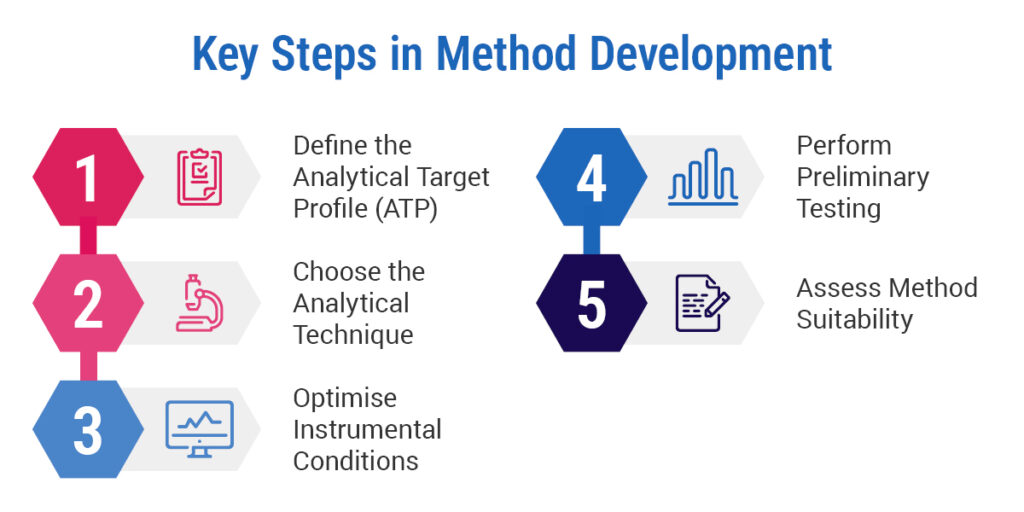
One of the most persistent challenges in the pharmaceutical workflow is the transition from a concept to a robust, validated method. It is a common misconception that high-end instrumentation automatically guarantees ease of use. In reality, pharmaceutical analysts often struggle with the “blank space” between unboxing an instrument and running their first compliant sample.

Whether you are identifying trace impurities, performing stability testing, or conducting complex bioanalysis, the method development phase is often where projects stall. A method that works in a controlled environment can fail in a high-throughput production setting if it hasn’t been stress-tested for robustness. This leads to a reactive cycle of troubleshooting and re-validation, which drains resources and delays time-to-market.
Navigating a shifting regulatory landscape

Data integrity is the non-negotiable cornerstone of the pharmaceutical industry. Global research shows that 90% of pharmaceutical professionals agree that reliable instruments are the single most important factor for a successful workflow. This is because, in this sector, a failure in reliability is a failure in compliance.

The pressure to process more samples while maintaining absolute adherence to 21 CFR Part 11 and EudraLex Annex 11 is immense. Without a partner who understands the nuances of IQ/OQ (Installation and Operational Qualification) and ongoing maintenance, labs risk falling into the “efficiency gap.” This is where sophisticated instruments sit underutilised because the method is too temperamental or the staff lack the specific training required to navigate the software’s compliance features.

Mastery of complex matrices with Agilent LC/MS

For laboratories tackling the most demanding pharmaceutical applications – such as nitrosamine analysis or impurity profiling– Agilent’s LC/MS solutions are globally recognised as the definitive standard. These systems provide the sensitivity and specificity required to detect analytes at levels that were previously unimaginable.

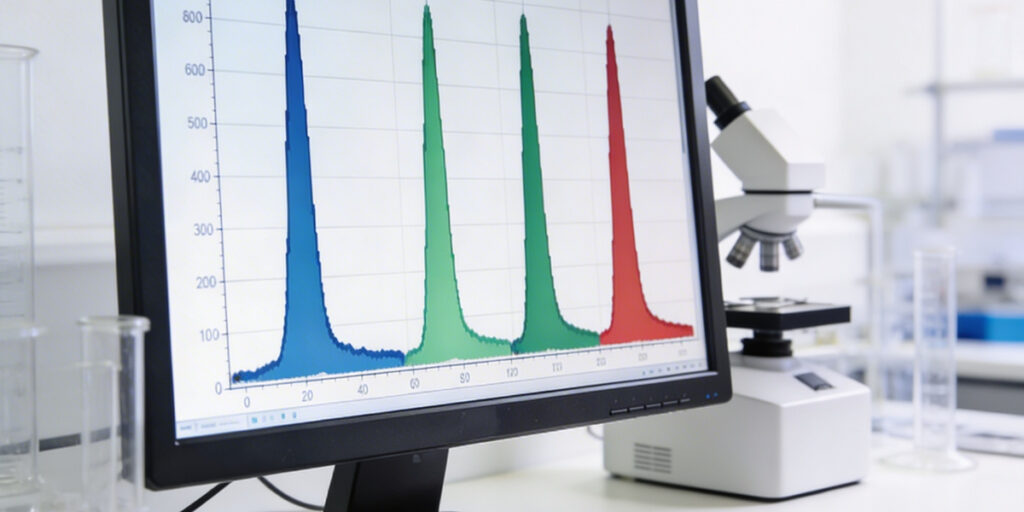
However, the “Chemetrix Edge” lies in how we support this technology. We recognise that method development for LC/MS is a specialised skill. Our support department acts as an extension of your own team, providing on-site assistance to help you develop, optimise, and troubleshoot your pharmaceutical methods. By leveraging our local application expertise, you can reduce the time spent in method development and ensure that your LC/MS system is performing at its peak from day one.
Driving throughput with the Agilent 1290 Infinity III LC

The workhorse of any modern pharmaceutical lab is the Liquid Chromatograph, and the Agilent 1290 Infinity III LC is engineered specifically for high-throughput environments. It is designed to handle the everyday pressures of pharmaceutical analysis with ultra-low carryover and exceptional pressure stability.

Chemetrix supports this hardware through a comprehensive service programme that goes beyond simple repairs. We offer tailored preventive maintenance and rapid-response technical support to ensure your 1290 Infinity III stays in a qualified state. By integrating our service expertise with this robust hardware, we help labs eliminate the “time traps” of manual intervention. Our goal is to ensure your staff spend less time worrying about baseline
drift and more time focusing on high-value data interpretation.
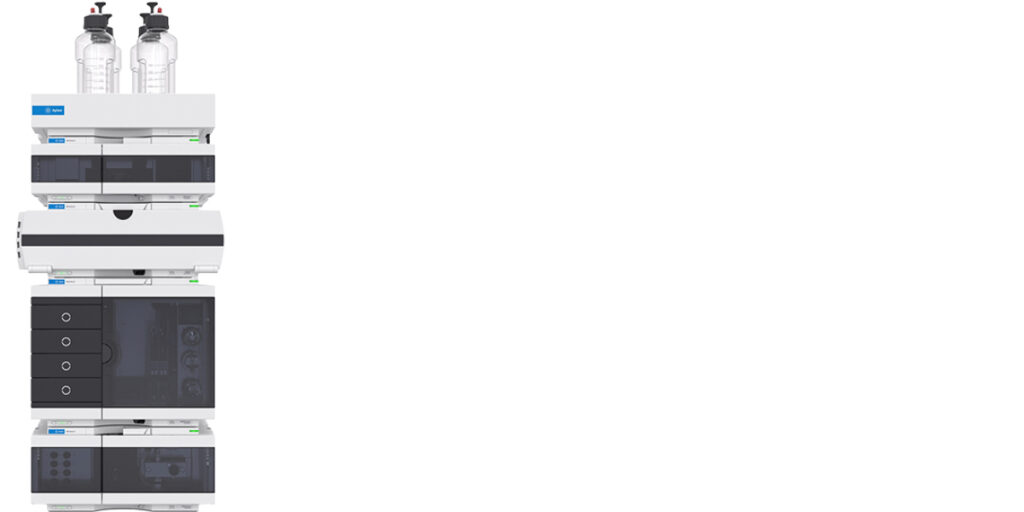
Agilent 1290 Infinity III LC

The reward of proactive support

The transition from a reactive laboratory to a proactive one is transformative. When you partner with a specialist who understands pharmaceutical applications, the results are measured in more than just uptime. You gain the peace of mind that comes from knowing your methods are robust, your instruments are qualified, and your data is defensible.

Our most successful pharmaceutical partners are those who have moved away from viewing instrumentation as a commodity and have embraced it as a collaborative workflow. This partnership leads to faster validation cycles, fewer “Out of Specification” (OOS) investigations, and a laboratory team that is empowered by their technology rather than frustrated by it.


Take the next step in laboratory excellence

The road to an optimised pharmaceutical workflow doesn’t have to be a solitary one. Whether you are looking to expand your LC/MS capabilities or need to refine the efficiency of your current chromatography setup, the expertise you need is available locally.

Your Action Plan:

Identify your most temperamental method – the one that requires the most manual intervention or frequent re-runs. Contact a Chemetrix specialist today for a workflow audit. Let’s work together to resolve your method development challenges and ensure your lab is equipped for the future of pharmaceutical discovery.
Festive Water Safety: Lab Testing in SA

Why is water safety critical during South Africa’s festive season?

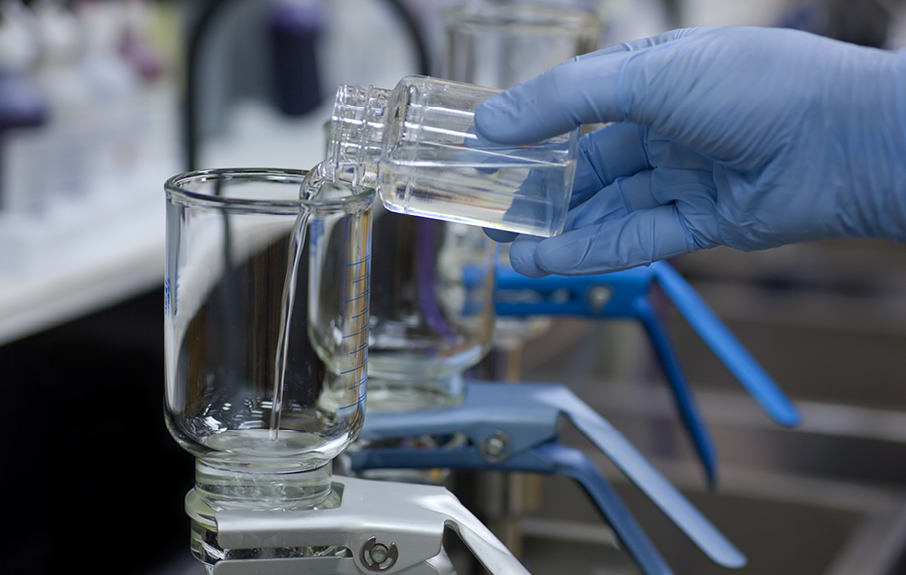
Summer in South Africa brings heat, travel, and thousands of holidaymakers to beaches, pools, and picnic spots. But the spike in water consumption, and pressure on water infrastructure, raises serious concerns. Ensuring the safety of drinking water and recreational waters during this period is essential to safeguard public health and support tourism.


🖥️ Watch the Detection of Microplastics using Thermoanalytical Methods webinar to learn about which analytical approach(es) offer the best results for PFAS in the environment.

The challenges of high-volume water testing during summer

As demand increases, testing labs face rising sample loads and tighter turnaround times. Detecting a range of contaminants, from microbial threats and industrial chemicals to PFAS (“forever chemicals”) and microplastics, requires sensitive, fast and reliable instrumentation. Traditional methods can struggle to keep up, leading to bottlenecks that may delay the detection of critical hazards. That’s where advanced instrumentation and workflow automation become indispensable.


🖥️ Watch the Analysis of PFAS: Strategies to Optimise Performance webinar to learn about which analytical approach(es) offer the best results for PFAS in the environment.

📚 Download the Guide to Targeted Quantification and Screening of PFAS Compounds in Environmental Matrices Primer to explore the basics and the regulatory framework for PFAS analysis.

Agilent water testing solutions: Speed, sensitivity, and scale

Agilent’s comprehensive water testing portfolio supports laboratories with state-of-the-art analytical tools, including:

Key Agilent Instruments for Water Quality Testing

  • Agilent Ultivo LC/MSMS – Ideal for ultra-trace PFAS and persistent organic pollutants in drinking and environmental water. Compact yet powerful, it supports high-throughput labs with limited space.
  • Agilent 6475 LC/MSMS – Offers sensitive, reproducible quantification of a wide range of contaminants in complex matrices.
  • Agilent 1290 Infinity III LC System – Delivers fast, reliable chromatographic separations critical to high-throughput analysis.
  • Agilent 8860 GC and Agilent 5977B GC-MSD – Combines rugged GC performance with high-sensitivity mass detection, ideal for volatile organic compound analysis.
  • InfinityLab PFC-Free HPLC Conversion Kit – Helps reduce PFAS background interference for cleaner data and better detection accuracy.
Together, these tools allow for simultaneous detection of pesticides, metals, PFAS, organic pollutants, and microbiological indicators in both drinking and recreational water samples.

Keeping communities and holidaymakers safe

South African municipalities, water boards, and private labs rely on fast, precise testing to ensure that public taps, swimming pools, and beaches remain safe during peak tourist periods. With Agilent’s integrated systems and automation-ready workflows, labs can handle seasonal surges efficiently, reducing wait times and delivering timely insights to stakeholders.
By enabling early detection and fast reporting, labs support both immediate public safety and long-term environmental health.

Ready to modernise your water testing workflows?

Whether you’re managing municipal water quality or testing surface water for environmental compliance, Agilent’s proven technologies and application support can help you handle festive season demand with confidence.


✅ TL;DR – Key Takeaways

  • South Africa’s festive season significantly increases demand for water testing.
  • Water contamination risks rise in both drinking supplies and recreational sources.
  • Agilent offers a suite of instruments for rapid, high-sensitivity testing (LC/MS, GC/MS, HPLC).
  • Automation-ready workflows improve throughput and reduce manual handling.
  • Accurate testing ensures public health, supports tourism, and builds trust in infrastructure.

Ensuring Accurate Consumer Product Testing: From Toys to Leather

Why is consumer product testing essential during the festive season?

As South Africans fill their homes with toys, gadgets and leather goods during the festive shopping rush, ensuring these products are safe and compliant is paramount. Testing labs play a vital role in verifying that everyday items meet stringent safety standards before reaching consumers.

The complexities of testing diverse consumer products

Consumer goods vary widely, from children’s toys requiring checks for harmful substances like phthalates and heavy metals, to leather handbags needing analysis of dyes and chemical residues. Accurate testing demands sophisticated analytical methods capable of identifying contaminants across a broad chemical spectrum.

🖥️ Watch the The PFAS Legacy in our Urban Environment webinar webinar to discover the key differences between LC/TQ and LC/Q-TOF and how are they used for providing information on PFAS in the environment.

How Agilent’s advanced analytical instruments support comprehensive testing

Agilent provides state-of-the-art solutions tailored for consumer goods testing, including chromatography and spectroscopy instruments such as LC/MS and GC/MS systems. These instruments allow labs to identify contaminants, measure chemical compositions, and perform high-throughput screening to maintain safety without sacrificing speed. Agilent’s robust platforms help laboratories meet tight deadlines during high-volume seasons.

📚 Download the Analysis of Short- and MediumChain Chlorinated Paraffins in Textiles and Leather Using Triple Quadrupole LC/MS Application Note for more stability and sensitivity during routine consumer testing laboratories. 

High-throughput workflows accelerate testing during peak demand

During high-volume shopping months, labs must clear large batches of consumer products swiftly without compromising safety. Agilent’s solutions integrate automation and streamlined workflows, helping labs increase throughput while maintaining accuracy. This ensures faster turnaround times, enabling retailers to confidently supply safe products to the market.

📚 Download the Phthalates Analysis in Toys using Agilent 5977E GC/MS Application Note that demonstrates good and a cost-effective solution to help test the six regulated phthalates in children’s toys.

Protecting consumers and brands through reliable testing

Accurate, timely testing safeguards not only consumer health but also brand reputation. Laboratories equipped with Agilent’s instruments can deliver consistent, validated results that help manufacturers and importers meet regulatory standards and build consumer trust.

Ready to enhance your consumer product testing capabilities?

Discover how Agilent’s comprehensive testing solutions can support your lab’s compliance needs and festive season workload.


TL;DR – Key Takeaways

  • Festive season shopping increases demand for consumer product testing in South Africa.
  • Testing covers toys, leather goods, textiles, and more for harmful substances and compliance.
  • Agilent’s LC/MS and GC/MS systems enable precise contaminant detection and chemical analysis.
  • High-throughput testing workflows ensure fast, accurate results during peak seasons.
  • Reliable testing protects consumer safety and brand reputation.

Ensuring Food Safety with Mass Spectrometry

In an interconnected world where food production and trade span continents, ensuring the safety and quality of food products has become a critical priority. Rising consumer expectations and increasingly stringent regulatory standards mean stakeholders in the food industry must navigate a complex web of challenges. From detecting contaminants to meeting compliance requirements, the stakes are high. This is where cutting-edge technologies like mass spectrometry are stepping in to revolutionise food safety testing, delivering unmatched precision, efficiency, and reliability.


The growing importance of Food Safety

Food safety is non-negotiable. Defined by the World Health Organization (WHO) as the prevention of hazards – both chronic and acute – that can harm consumer health, it forms the backbone of a trustworthy food supply chain. Hazards may include microbial contamination, pesticide residues, heavy metals, and even naturally occurring toxins, all of which can pose serious risks if left unchecked.

Food quality, while often considered alongside safety, addresses different concerns. It encompasses attributes such as flavour, texture, appearance, and even the origin of a product. While safety ensures a product is fit for consumption, quality determines its value and appeal to consumers.

For food producers, striking a balance between these two aspects is essential to building trust and maintaining competitiveness.


Why Mass Spectrometry?

Mass spectrometry has become a cornerstone of modern food safety testing, thanks to its unparalleled sensitivity, accuracy, and versatility. Unlike traditional methods, which may require separate tests for different contaminants, mass spectrometry can detect and quantify multiple analytes in a single run. This capability significantly enhances efficiency and reduces the time required for analysis – a critical advantage for laboratories handling high sample volumes.


Key Advantages of Mass Spectrometry in Food Safety

Unmatched sensitivity and precision

Mass spectrometry can detect contaminants at trace levels, often in parts per billion (ppb) or even parts per trillion (ppt). This is vital as regulatory agencies worldwide demand more stringent detection limits to protect public health.

Multi-analyte detection

With mass spectrometry, laboratories can analyse multiple contaminants simultaneously, including pesticides, heavy metals, mycotoxins, and allergens. This not only improves throughput but also reduces the cost and complexity of testing.

Simplified sample preparation

Advanced mass spectrometry systems streamline sample preparation, reducing the likelihood of human error while speeding up the testing process.

Adaptability across food matrices

From solid foods like grains and meats to liquids like milk and juices, mass spectrometry can handle diverse food matrices, making it a versatile solution for the food industry.


📚 Download the Food Safety Applications in Mass Spectrometry primer for a practical reference for applying current developments in Agilent MS technologies to food analysis: https://chemetrix.co.za/wp-content/uploads/2024/12/5989-1270EN-AGI_74_combined.pdf


Transforming Food Safety Testing

One of the most significant developments in mass spectrometry is the rise of inductively coupled plasma mass spectrometry (ICP-MS). Historically viewed as complex and challenging to operate, ICP-MS has undergone a transformation. Modern instruments now feature user-friendly interfaces, automated optimisation, and built-in diagnostic tools, making them accessible to labs of all sizes.

ICP-MS is particularly valuable for detecting heavy metals such as lead, cadmium, and mercury, which can have severe health consequences even at low concentrations. The technique’s sensitivity and specificity ensure that contaminants are accurately identified and quantified, enabling producers to meet regulatory requirements with confidence.

Another breakthrough is the integration of liquid chromatography-mass spectrometry (LC-MS) and gas chromatography-mass spectrometry (GC-MS). These methods are widely used for detecting pesticide residues and volatile organic compounds in food products. The combination of chromatography and mass spectrometry allows for the separation and precise identification of compounds within complex mixtures, ensuring reliable results.

Agilent 7000D Triple Quadrupole GC-MSMS
Agilent 6495C LC/MSMS

📚 Download the Improving Food Safety Analysis with LC/Q-TOF compendium of application notes and explore analysis of pesticides, nontargeted screening approaches for contaminants, and food authenticity testing: https://chemetrix.co.za/wp-content/uploads/2024/12/Improving_Food_Safety_Analysis-with-LC_Q-TOF-Feb2020.pdf


Addressing the challenges of a globalised food supply chain

In a globalised food economy, the complexity of supply chains adds another layer of risk. Ingredients sourced from diverse regions can introduce contaminants at various stages, making robust testing protocols indispensable. Additionally, the transportation and storage of food products can create opportunities for microbial growth or chemical alterations.

Regulatory bodies worldwide, such as the European Food Safety Authority (EFSA) and the United States Food and Drug Administration (FDA), have responded by tightening standards and lowering acceptable thresholds for contaminants. As a result, food manufacturers must adopt advanced technologies to stay ahead of compliance requirements.

Mass spectrometry provides the tools needed to address these challenges. Offering rapid, reliable testing, enables stakeholders to identify potential issues early in the supply chain. For example, a shipment of imported spices can be tested for pesticide residues before distribution, preventing contaminated products from reaching consumers.

Moreover, mass spectrometry supports traceability – a key component of modern food safety systems. By linking test results to specific batches or production lots, producers can quickly identify and recall affected products in the event of a safety breach. This level of accountability is essential for maintaining consumer trust and avoiding costly disruptions.

📚 Download the Multi-Residue Pesticide Analysis in Food Matrices poster to see how the screening and quantitation of 250 pesticides was done using the Agilent Ultivo Triple Quad: https://chemetrix.co.za/wp-content/uploads/2024/12/Multi-Residue_Pesticide_Analysis-_Food_Matrices_Ultivo_AOAC_2017_PW044.pdf


Chemetrix: Your partner in Food Safety

Chemetrix is at the forefront of delivering advanced mass spectrometry solutions tailored to the needs of the food industry. With a deep understanding of the unique challenges faced by producers, regulatory agencies, and testing laboratories, Chemetrix provides comprehensive support to ensure optimal performance and compliance.

Why choose Chemetrix?

  • Cutting-Edge Instrumentation: Chemetrix offers state-of-the-art mass spectrometry systems, including ICP-MS, LC-MS, and GC-MS, designed for precision and efficiency.
  • Expert Guidance: From installation to training and ongoing support, Chemetrix’s team of experts ensures that clients can fully leverage their technology investments.
  • Tailored Solutions: Recognising that every client has unique requirements, Chemetrix works closely with stakeholders to develop customised workflows that meet their specific needs.

By partnering with Chemetrix, food producers and testing labs gain access to the tools and expertise needed to navigate the complexities of modern food safety testing with confidence.


The Future of Food Safety

As food systems evolve, so too must the methods used to ensure their safety. Mass spectrometry represents a critical step forward, offering the precision, speed, and adaptability needed to meet the challenges of an increasingly interconnected world.

For the food industry, adopting advanced testing technologies is not just about compliance – it’s about safeguarding public health, protecting brand reputation, and building trust with consumers. With partners like Chemetrix leading the way, the future of food safety is brighter, more secure, and more innovative than ever.

AI Technology and the Lab of the Future

In 2022, Agilent announced its acquisition of advanced artificial intelligence (AI) technology developed by Virtual Control, an AI and machine learning software developer that creates innovative analysis solutions in lab testing. Agilent will integrate the software, known as ACIES, into its industry-leading gas chromatography and mass spectrometry (GS/MS) platforms to improve the productivity, efficiency and accuracy of high-throughput labs the company serves around the world.

ACIES automates the labour-intensive task of gas chromatography/mass spectrometry data analysis improving efficiency in the laboratory workflow, from sampling to reporting. Agilent will integrate the technology into its MassHunter software package for LC/MS and GC/MS instruments.


Digital labs

This move by Agilent signals that the digital age is very much here for laboratories. Science has always driven the world forward and now it will do the same for laboratories.

The lab of the future is a concept built on the foundation of digitalised labs. It encompasses smart technological workflow systems that are connected and capable of collecting vast amounts of data via integrated automation.

A digitalised lab should be considered a more advanced lab as it has more access to data. With data being key to transforming science, increasing amounts of data generated in any lab, let alone a digitally connected lab, could be a game-changer – but only if it’s collected and synthesised into information and knowledge that is useful.

The digital environment (i.e., paperless work in an electronic format) capitalises on digitalisation. It incorporates all of the necessary instrumentation for complete data analysis and enables the full value of the data for decision-making. The ability to monitor operations and provide more sophisticated insights is a core reason for introducing AI into the operational lab environment.


Transforming science

Artificial intelligence (AI) is often defined as the ability of a machine to learn how to solve cognitive challenges. However, in the context of scientific methodology and laboratory interconnectivity, AI is starting to be used for capturing data to model human observation and decision-making processes.

Taken forward, connecting all instruments in a lab via AI enables the opportunity for an even more astute understanding of the interactions between technology and also users, potentially providing an all-inclusive view of all laboratory operations.

Accessing this powerful source of information will become a necessary component of scientific productivity. This is an inevitable next step in creating lab management systems that are so efficient and provide knowledge that is so valuable that only AI will be able to produce them.

AI, coupled with universal sensing capabilities to detect and monitor a range of variables, e.g., an instrument’s power draw, enables companies to realise certain operational and financial benefits to their business and plan for the future. Through high-quality and readily available insights, AI enables the simultaneous monitoring of all equipment usage in the lab and holistic capacity tracking.

Watch our webinar on Industrialising High-Throughput Glycoproteomics Using AI for Clinical Use


Staying competitive in a competitive world

Globally, scientific innovation is accelerating, so labs need to consider the technology investments required to become digitally enabled in order to keep up and stay competitive. We live in a data-driven world, so scientific laboratories must fundamentally transform how they create, manage, and effectively use all the data that is generated in their lab ecosystem. Achieving and sustaining a competitive edge in a world of constant change will require the continual transformation of lab operations and scientific data management. This will be the first and most important step toward becoming a truly digitalised lab.


Standardising honey fingerprinting methods

Although previous work has been done developing case studies for fingerprinting foodstuffs, including honey, the approaches among laboratories have been different regarding sample preparation and instrumental conditions. There are also differences in terms of data processing and analysis. As a result, two laboratories analysing the same sample may obtain slightly different results. Ideally, developing a standardised fingerprinting method that could be used across all LC/MS-based workflows, enabling the same testing technique to be used across multiple laboratories, would be optimal and where future work is aimed.

Read our article on Fingerprinting Honey to Ensure Purity

When addressing the issues of food safety, product quality, and authenticity, each may be governed by separate sets of regulations. For example, looking at the residues of contaminants in honey, such as pesticides, there may be differences globally. Countries may have their restrictions for the maximum limit for specific compounds. Contaminants are a part of the picture when considering fingerprinting for honey, but permitted levels may vary between countries.

Additionally, as samples come from the field to the lab for testing, there is potential interest in reversing this and bringing the lab out into the field instead. This interesting but not yet recognised capability would enable regulators and the global food industry to respond more quickly to honey contamination and food fraud.

Step into the future, elevate your business and talk to our team of experts about how you can improve the productivity, efficiency and accuracy of your lab.

Novel Front-end Strategies to Increase Sample Throughput in LC/MS

Imagine if you could perform ‘LC/MS’ analysis in a comparable time to Usain Bolt’s 100-metre world record!  Over the last 15 years through iterative technological product enhancements and by the replacement of a traditional UHPLC with a simple sample cleanup step, the RapidFire system has accelerated MS analyses in many fields ranging from HTS, ADME, biopharma, synthetic biology, food, and the life sciences.

However, sometimes when there is an unavoidable requirement for good chromatographic separation, then an alternative, low-cost strategy exploiting Ultra-Fast LC can be adopted to reduce analysis times from minutes to seconds. This webinar presents the new RapidFire400 system for HTS and will contrast its analytical merits to the complimentary Ultra-Fast LC approach.


What you will learn

•    How the RapidFire400 meets the needs of  today’s high throughput requirements
•    Learn how a standard Agilent LC can be configured to the Ultra-Fast LC mode
•    Understand the advantages and limitations of both high sample throughput strategies


Andreas Mielcarek
Pre-Sales Applications Scientist
Agilent


Andreas Mielcarek is a pre-sales Applications Scientist with Agilent Technologies. He has been with Agilent for 5 years developing LC, RapidFire, and mass spec methods on a wide range of molecules. Prior to joining Agilent, he worked as a LC-MS Core-facility scientist at the University Marburg, were he obtained his PhD in bioanalytical chemistry.


Register and watch on demand >


Ultra-High Sensitivity for Targeted Mass Spectrometry Applications

The Evosep One is a powerful and standardized platform for LCMS workflows that require a sensitivity boost achieved at low flow rates between 100nl/min to 4ul/min. The robustness and throughput of the standardized methods on the Evosep One combined with the sensitivity of the Agilent 6495C triple quadrupole support targeted analysis of proteomes with ultra-high sensitivity down to the single cell level.

We demonstrated this by targeting selected peptides in a complex background of sub-nanogram material and generated dilution curves spanning several orders of magnitude. To ensure seamless integration of the Evosep One with the Agilent 6495C triple quadrupole, we have developed a native driver for MassHunter and a robust solution for the Agilent nanoflow ion source.


 What you will learn

•    The application of the Evosep One chromatography system to high-throughput analysis of large cohorts.
•    How there is a growing demand for high throughput and standardized workflows to allow  the  analysis of increasingly large cohorts of samples for proteomic research
•    How high sensitivity is achieved for the accurate measurement of low abundant biomarkers
•    How the Evotip was designed to improve efficiency and recovery associated with sample purification and loading ahead of MS analysis.


Angela McArdle
Evosep Senior Scientist
Evosep Biosystems


Angie is a proteomics scientist on the application team at Evosep BioSciences. Her work focuses on bringing standardization, throughput, and depth into translation proteomic research studies. During her PhD at University College Dublin studying proteomics in inflammatory arthritis and postdoc at Cedars Sinai, Los Angeles, Angie conducted large scale biomarker studies, where she gained considerable experience with the Evosep One and the Agilent triple quadrupole mass spectrometers.


Register and watch on demand >


Adding an Extra Dimension of Separation

With the increasing demand for high throughput LC/MS analyses, there is a temptation to reduce chromatographic run times, but in some instances, this can give rise to significant interferences, thus compromising the result. Or perhaps, despite improvements in column resolution you still observe a reduction in sensitivity and selectivity due to ion suppression or elevated background noise caused by matrix effects? Could it be that you need to carry out discovery work and need to confidently identify ‘unknown’ compounds using a high-resolution MS strategy?

Maybe all your analyses could benefit from further separation of sample components?

We will discuss the 6560C Ion Mobility LC/Q-TOF system and explain how it exploits ion mobility as an extra dimension of separation to increase feature coverage whilst reducing background noise to avoid losses in sensitivity. An exemplary workflow detailing a bona fide 4-dimensional LC/MS method to characterize compounds including proteins without increasing analytical run times will be described.


 What you will learn

•    The principles and benefits of ion mobility (IM) and how it can help multiple applications
•    How adding an orthogonal gas phase separation (IM) allows faster chromatography to be used to separate isobars and matrix components
•    How accurate Collisional Cross Sections (CCS) values from drift time measurements delivers higher confidence for untargeted workflows
•    How to separate and characterize different protein conformers present in a single solution


Hannah Florance
Application Scientist
Agilent


In 2006, Hannah gained her PhD at the University of Edinburgh in non-covalent protein interactions in solution and the gas phase under the tutelage of Prof. Perdita Barran.

Hannah is currently an LC/MS applications specialist for Agilent, based in Cheadle, UK and has had multiple roles in the life sciences research, starting as a protein chemist, before moving into the proteomics and metabolomics fields.


Register and watch on demand >


Improved Metabolomics Analysis Using an Iron-Free Flow Path

Metabolomics is a tool to decipher and understand the physiological state of a cell or organism. In recent times, LC/MS emerged as the prevalent analytical technique of choice, still with significant potential for improved robustness and ease of use.

In this webinar, we will demonstrate the advantages gained by using a biocompatible flow path over stainless steel by direct comparison of the Agilent 1290 Infinity II Bio LC and Agilent 1290 Infinity II LC. The 1290 Bio LC showed improved peak shape and resolution for phosphorylated compounds like nucleotides and sugar phosphates without apparent adsorption effects, compared to the Agilent 1290 Infinity II LC. Analyzing intracellular metabolite extracts derived from Saccharomyces cerevisiae, excellent retention time RSD values of 0.1% were generated, and essential metabolites for physiological parameters like the adenylate energy charge could be analyzed consistently. These results show that the 1290 Bio LC is the ideal choice for the seamless and robust analysis in metabolomics.


 What you will learn

•    How HILIC/MS separation is used for the detection of metabolites.
•    How an iron-free flow path delivers superior performance for phosphorylated metabolites.
•    Improved tailing factors of nucleotides
•    Robust performance in analyzing metabolites in a complex yeast extract


Andre Feith
Application Scientist
Agilent Technologies


André Feith is an HPLC application scientist at Agilent Technologies, focusing on biopharma and biotechnological topics. He was involved in testing and validation of the Agilent 1290 Infinity II Bio LC regarding bio-specific applications and more recently he has focused on analyzing new modalities like oligonucleotides and online analysis of critical quality attributes with process analytical technology (PAT). During his Ph.D., he researched at the Institute of Biochemical Engineering, University of Stuttgart, in the field of Bioanalysis, Metabolomics, and Metabolic Engineering.


Register and watch on demand >


SFC – Only the Solvent is Critical

Supercritical Fluid Chromatography (SFC) was first developed in the 1960s, using supercritical carbon dioxide and this technology has been commercially available from Agilent for over a decade. Often known for its application to the analysis of chiral compounds, SFC is the ‘greener’ alternative over normal phase separations, further increasing the demand and acceptance of this technology.

This webinar will explain the basic scientific principles of SFC as a highly powerful liquid separation technique for the efficient separation a wide range of analytes. Examples will be given to illustrate, how an SFC system can be coupled to a mass detector to form an integrated LC/MS system to deliver high throughput applications.


 What you will learn

•    Similarities and differences between SFC and conventional HPLC
•    Why SFC is the green technique in separation sciences.
•    The advantages of SFC with application examples
•    Theoretical background to SFC
•    How to set up an SFC system with MS detection


Dr. Jens Trafkowski
Product Specialist HPLC
Agilent Technologies


Jens Trafkowski studied food chemistry and received his PhD at the Institute of Legal Medicine from the University of Bonn for his work on applications of HPLC-MS/MS in forensic and clinical toxicology.

Prior to joining Agilent in 2011, Jens spent more than 6 years as LC-MS as an application specialist in the industry before leaving to undertake a global HPLC product management responsibility at Agilent Technologies. Later, in 2017 Jens moved into his current role as an HPLC product specialist where he is based in Basel Switzerland.


Register and watch on demand >