Festive Water Safety: Lab Testing in SA

Why is water safety critical during South Africa’s festive season?

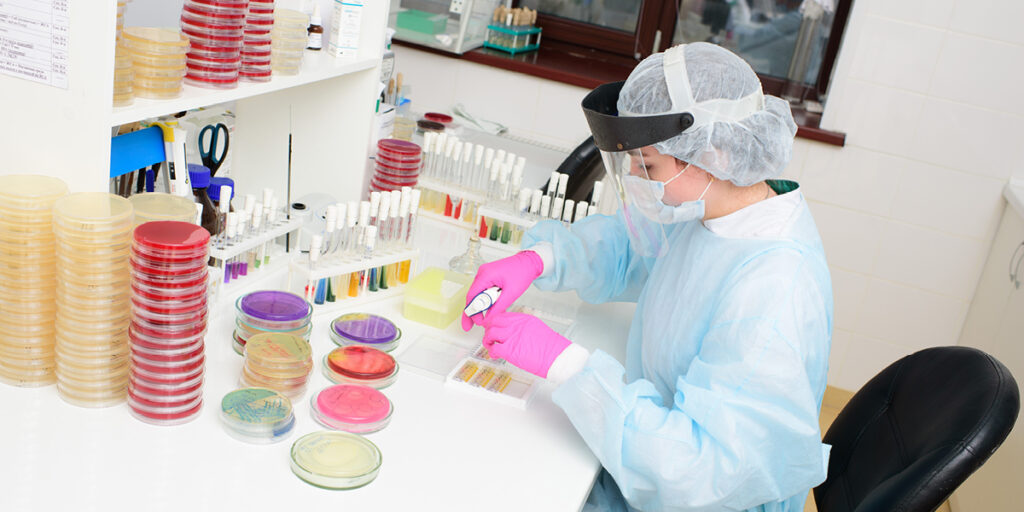
Summer in South Africa brings heat, travel, and thousands of holidaymakers to beaches, pools, and picnic spots. But the spike in water consumption, and pressure on water infrastructure, raises serious concerns. Ensuring the safety of drinking water and recreational waters during this period is essential to safeguard public health and support tourism.


🖥️ Watch the Detection of Microplastics using Thermoanalytical Methods webinar to learn about which analytical approach(es) offer the best results for PFAS in the environment.

The challenges of high-volume water testing during summer

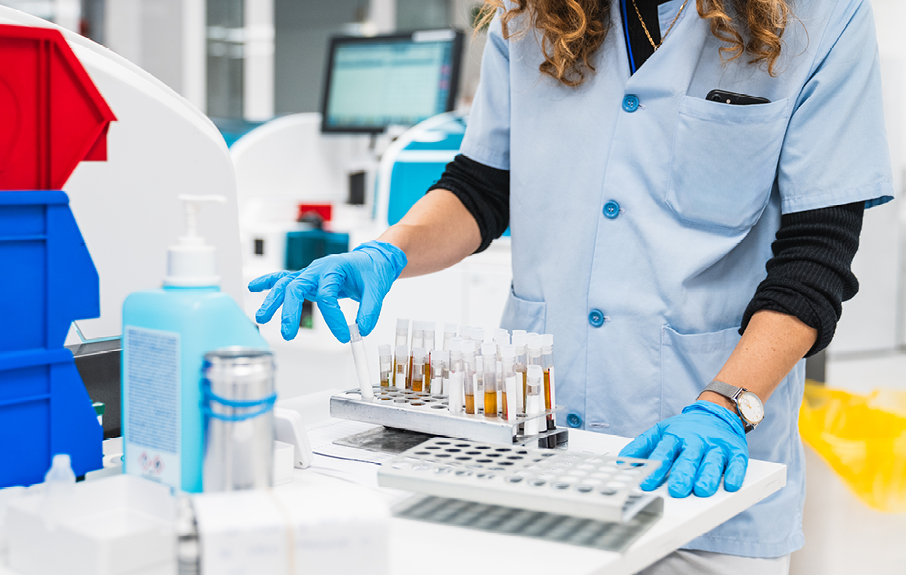
As demand increases, testing labs face rising sample loads and tighter turnaround times. Detecting a range of contaminants, from microbial threats and industrial chemicals to PFAS (“forever chemicals”) and microplastics, requires sensitive, fast and reliable instrumentation. Traditional methods can struggle to keep up, leading to bottlenecks that may delay the detection of critical hazards. That’s where advanced instrumentation and workflow automation become indispensable.


🖥️ Watch the Analysis of PFAS: Strategies to Optimise Performance webinar to learn about which analytical approach(es) offer the best results for PFAS in the environment.

📚 Download the Guide to Targeted Quantification and Screening of PFAS Compounds in Environmental Matrices Primer to explore the basics and the regulatory framework for PFAS analysis.

Agilent water testing solutions: Speed, sensitivity, and scale

Agilent’s comprehensive water testing portfolio supports laboratories with state-of-the-art analytical tools, including:

Key Agilent Instruments for Water Quality Testing

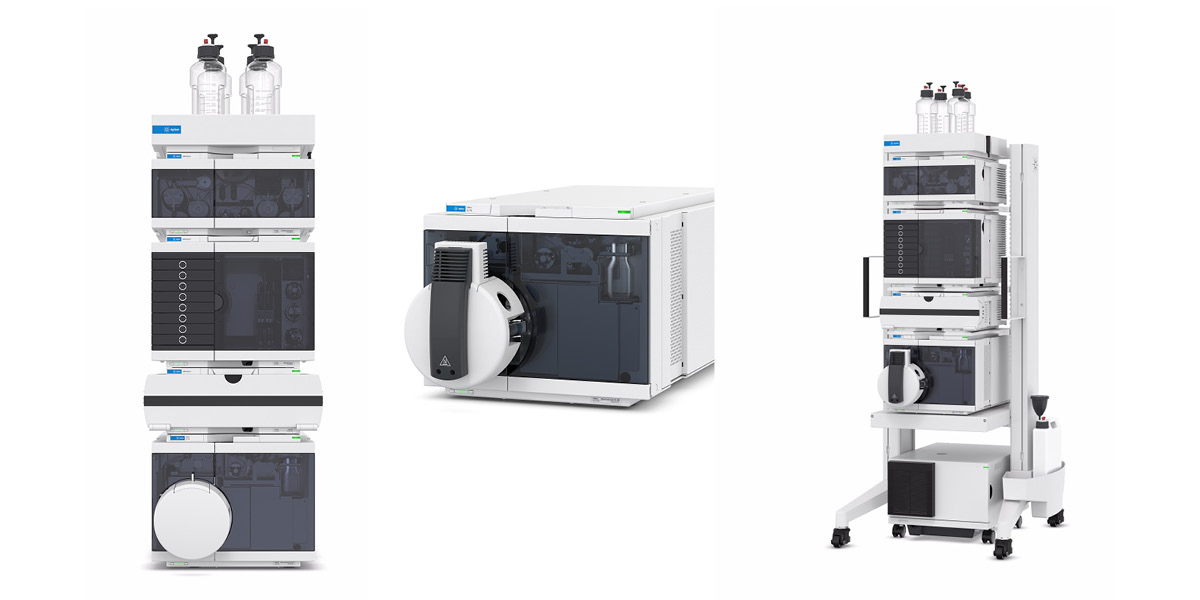
  • Agilent Ultivo LC/MSMS – Ideal for ultra-trace PFAS and persistent organic pollutants in drinking and environmental water. Compact yet powerful, it supports high-throughput labs with limited space.
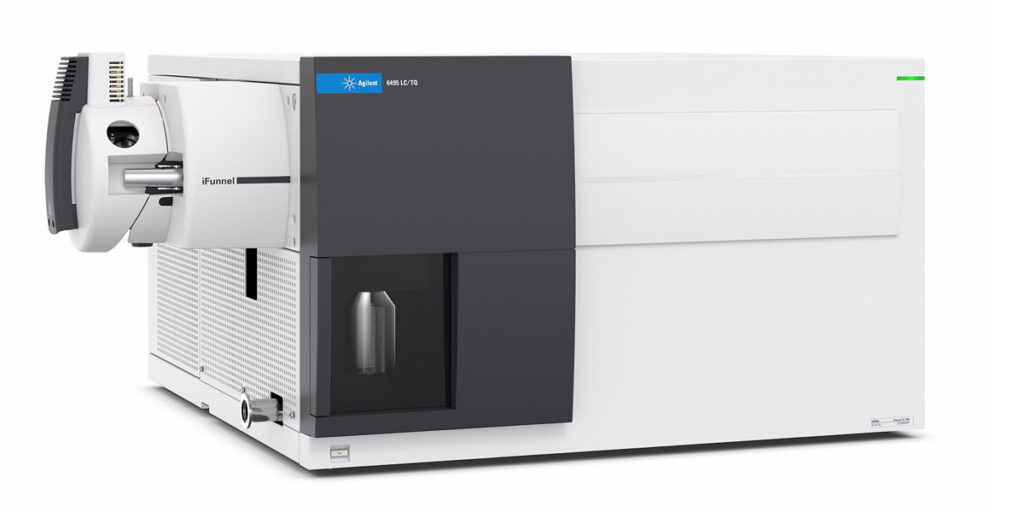
  • Agilent 6475 LC/MSMS – Offers sensitive, reproducible quantification of a wide range of contaminants in complex matrices.
  • Agilent 1290 Infinity III LC System – Delivers fast, reliable chromatographic separations critical to high-throughput analysis.
  • Agilent 8860 GC and Agilent 5977B GC-MSD – Combines rugged GC performance with high-sensitivity mass detection, ideal for volatile organic compound analysis.
  • InfinityLab PFC-Free HPLC Conversion Kit – Helps reduce PFAS background interference for cleaner data and better detection accuracy.
Together, these tools allow for simultaneous detection of pesticides, metals, PFAS, organic pollutants, and microbiological indicators in both drinking and recreational water samples.

Keeping communities and holidaymakers safe

South African municipalities, water boards, and private labs rely on fast, precise testing to ensure that public taps, swimming pools, and beaches remain safe during peak tourist periods. With Agilent’s integrated systems and automation-ready workflows, labs can handle seasonal surges efficiently, reducing wait times and delivering timely insights to stakeholders.
By enabling early detection and fast reporting, labs support both immediate public safety and long-term environmental health.

Ready to modernise your water testing workflows?

Whether you’re managing municipal water quality or testing surface water for environmental compliance, Agilent’s proven technologies and application support can help you handle festive season demand with confidence.


✅ TL;DR – Key Takeaways

  • South Africa’s festive season significantly increases demand for water testing.
  • Water contamination risks rise in both drinking supplies and recreational sources.
  • Agilent offers a suite of instruments for rapid, high-sensitivity testing (LC/MS, GC/MS, HPLC).
  • Automation-ready workflows improve throughput and reduce manual handling.
  • Accurate testing ensures public health, supports tourism, and builds trust in infrastructure.

Ensuring Accurate Consumer Product Testing: From Toys to Leather

Why is consumer product testing essential during the festive season?

As South Africans fill their homes with toys, gadgets and leather goods during the festive shopping rush, ensuring these products are safe and compliant is paramount. Testing labs play a vital role in verifying that everyday items meet stringent safety standards before reaching consumers.

The complexities of testing diverse consumer products

Consumer goods vary widely, from children’s toys requiring checks for harmful substances like phthalates and heavy metals, to leather handbags needing analysis of dyes and chemical residues. Accurate testing demands sophisticated analytical methods capable of identifying contaminants across a broad chemical spectrum.

🖥️ Watch the The PFAS Legacy in our Urban Environment webinar webinar to discover the key differences between LC/TQ and LC/Q-TOF and how are they used for providing information on PFAS in the environment.

How Agilent’s advanced analytical instruments support comprehensive testing

Agilent provides state-of-the-art solutions tailored for consumer goods testing, including chromatography and spectroscopy instruments such as LC/MS and GC/MS systems. These instruments allow labs to identify contaminants, measure chemical compositions, and perform high-throughput screening to maintain safety without sacrificing speed. Agilent’s robust platforms help laboratories meet tight deadlines during high-volume seasons.

📚 Download the Analysis of Short- and MediumChain Chlorinated Paraffins in Textiles and Leather Using Triple Quadrupole LC/MS Application Note for more stability and sensitivity during routine consumer testing laboratories. 

High-throughput workflows accelerate testing during peak demand

During high-volume shopping months, labs must clear large batches of consumer products swiftly without compromising safety. Agilent’s solutions integrate automation and streamlined workflows, helping labs increase throughput while maintaining accuracy. This ensures faster turnaround times, enabling retailers to confidently supply safe products to the market.

📚 Download the Phthalates Analysis in Toys using Agilent 5977E GC/MS Application Note that demonstrates good and a cost-effective solution to help test the six regulated phthalates in children’s toys.

Protecting consumers and brands through reliable testing

Accurate, timely testing safeguards not only consumer health but also brand reputation. Laboratories equipped with Agilent’s instruments can deliver consistent, validated results that help manufacturers and importers meet regulatory standards and build consumer trust.

Ready to enhance your consumer product testing capabilities?

Discover how Agilent’s comprehensive testing solutions can support your lab’s compliance needs and festive season workload.


TL;DR – Key Takeaways

  • Festive season shopping increases demand for consumer product testing in South Africa.
  • Testing covers toys, leather goods, textiles, and more for harmful substances and compliance.
  • Agilent’s LC/MS and GC/MS systems enable precise contaminant detection and chemical analysis.
  • High-throughput testing workflows ensure fast, accurate results during peak seasons.
  • Reliable testing protects consumer safety and brand reputation.

Detecting PFAS and Other ‘Forever Chemicals’ in SA’s Textiles

Festive fashion, hidden risks

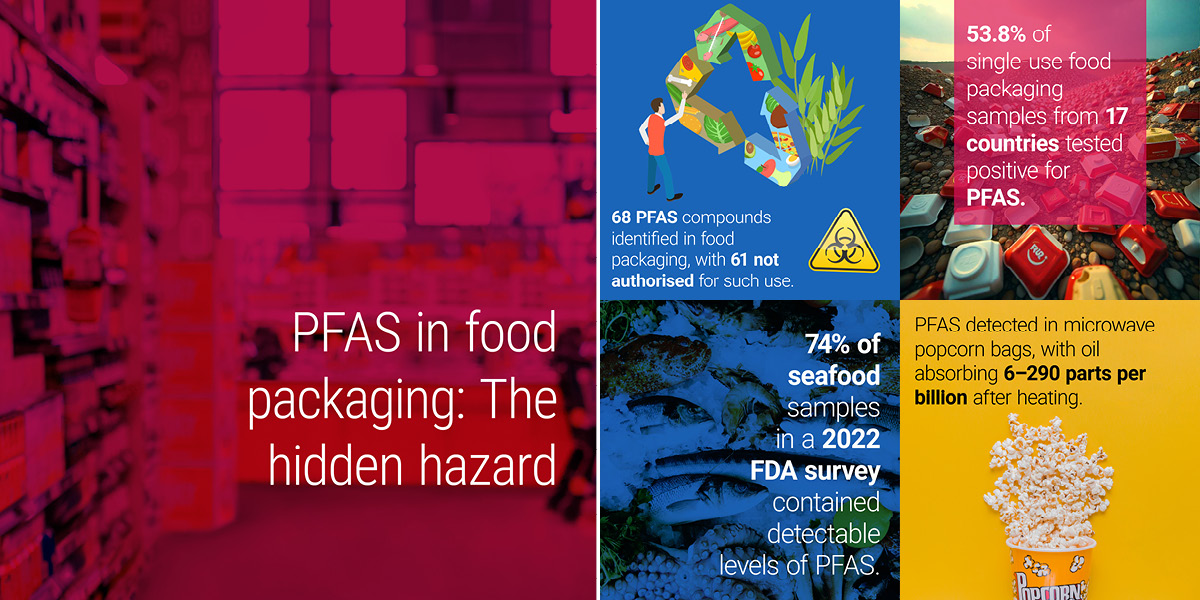
With the holiday season fast approaching, South Africans are gearing up for warm-weather celebrations, stocking up on water-repellent jackets, quick-dry swimwear and stain-resistant tablecloths. But behind the seasonal sparkle lies a silent concern: PFAS, or per- and polyfluoroalkyl substances.


Nicknamed “forever chemicals” for their resistance to breakdown, PFAS are commonly used in textiles to enhance durability and repel liquids. However, their environmental persistence and health risks, ranging from hormonal disruption to cancer, have made them a growing concern worldwide.


As international regulations tighten, textile retailers, importers and labs in South Africa must prepare to detect and manage PFAS contamination.


Why is PFAS detection in textiles so difficucon

Detecting PFAS in fabric isn’t like testing for surface-level contaminants. These chemicals can:
  • Be present in ultra-trace amounts
  • Be embedded in complex synthetic fibres
  • Require extensive and delicate preparation before testing


Traditional methods rely heavily on manual prep, increasing the risk of human error. For busy labs and testing facilities, especially in high-demand seasons, this leads to:
  • Delays in turnaround times
  • Inconsistent results
  • Potential non-compliance with regulations


Automation is transforming textile PFAS testing

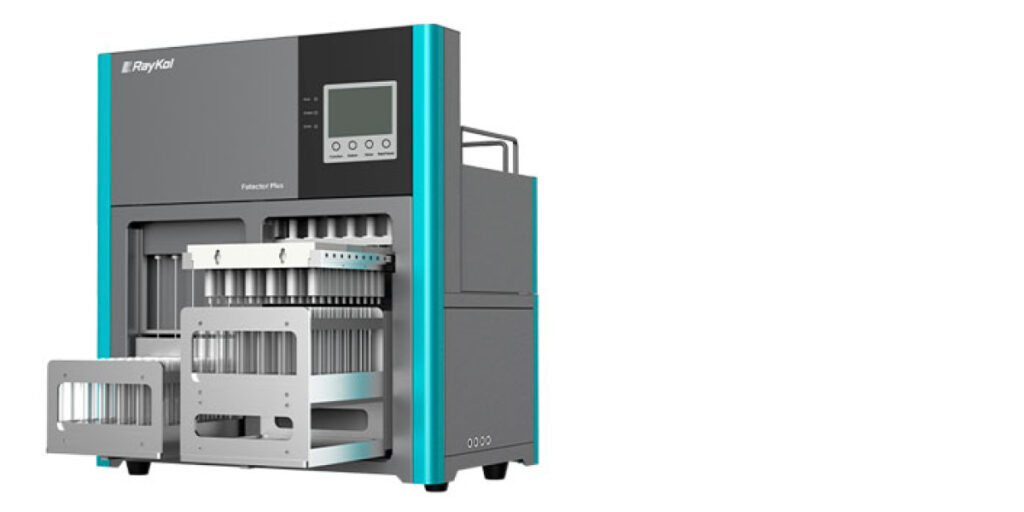
Forward-looking labs are turning to automation to solve these pain points. By integrating Agilent’s LC/MS instruments with Raykol’s automated SPE (Solid Phase Extraction) systems, labs can drastically improve their efficiency and precision.

Benefits of this approach include:
  • Faster processing of large sample volumes
  • Minimised manual intervention
  • Higher consistency and reproducibility
  • Freed-up lab staff for data analysis rather than repetitive prep tasks
This workflow is especially valuable during South Africa’s high-spend festive months, where time and accuracy are critical.


How does Raykol’s automated SPE system improve sample prep?

Sample preparation is often the most manual and error-prone stage of PFAS testing. Raykol’s Fotector SPE platform automates this process, reducing variability and increasing throughput.

Key benefits of Raykol’s system include:
  • Reduced contamination risk from human handling
  • Faster preparation times for large volumes
  • Seamless compatibility with LC/MS workflows
  • Improved repeatability and lab efficiency


Agilent LC/MS: Trusted precision for PFAS detection

Agilent’s Liquid Chromatography/Mass Spectrometry (LC/MS) systems are purpose-built to detect ultra-low concentrations of PFAS in even the most complex textile materials.

These platforms help labs:
  • Comply with global regulations (e.g. EU REACH, US EPA, SAICM)
  • Process large test batches without compromising accuracy
  • Stay competitive by delivering reliable, compliant results on time


PFAS testing protects more than compliance

While regulation is a key driver, the real value of PFAS detection goes beyond ticking boxes. South African retailers and importers who adopt rigorous testing practices also gain:
  • Consumer trust during peak sales seasons
  • Brand differentiation as safety-conscious and transparent
  • Supply chain resilience against new international bans or restrictions
  • Preparedness for the expanding global push toward PFAS elimination


Case in point: A South African home textile importer recently adopted Agilent + Raykol systems and achieved a 60% reduction in turnaround time, enabling full compliance with updated EU restrictions before they took effect.


What’s next? Build a smarter PFAS detection strategy

PFAS are here, regulations are rising, and expectations around chemical safety are increasing fast. Now’s the time to modernise your PFAS testing workflows with automation and precision analytics.

Make your lab smarter, faster, and fully compliant – before it’s mandatory.


PFAS in South Africa: Should We Be Worried?

Imagine a chemical so persistent that it resists breaking down in the environment, earning it the nickname “forever chemical.” Per- and polyfluoroalkyl substances (PFAS) are just that—synthetic compounds found in everyday items like non-stick cookware, waterproof clothing, and firefighting foams. While their durability made them industrial favourites, this same resilience has led to widespread environmental contamination. In South Africa, the presence of PFAS in water sources is becoming an increasing concern, prompting questions about their impact on health and the environment.

Unpacking the PFAS puzzle

PFAS have been linked to various health issues, including hormonal disruptions, immune system effects, and certain cancers. Their ability to accumulate in the human body and the environment makes them particularly worrisome. In South Africa, studies have detected PFAS in water sources, raising alarms about potential exposure. However, detecting and analysing these compounds is no simple task. Their chemical stability and low concentrations in environmental samples pose significant challenges for laboratories, necessitating advanced analytical techniques and instruments.


The analytical challenge of PFAS detection

Traditional analytical methods often fall short when it comes to detecting the vast array of PFAS compounds, especially at trace levels. Non-targeted analysis (NTA) and suspect screening have emerged as crucial approaches, allowing scientists to identify both known and unknown PFAS compounds in various matrices. However, these methods require high-resolution mass spectrometry and sophisticated data analysis capabilities. In South Africa, the adoption of such advanced techniques is still in its nascent stages, highlighting the need for enhanced laboratory infrastructure and expertise to effectively monitor and manage PFAS contamination.


Enhanced detection

The Agilent Ultivo LC/MS system offers a compact yet powerful solution for PFAS analysis. Designed for high-throughput laboratories, it combines sensitivity and robustness, making it ideal for detecting low levels of PFAS in complex environmental samples.


Key benefits:

  • Compact Design: Saves valuable laboratory space without compromising performance.
  • High Sensitivity: Detects trace levels of PFAS, ensuring accurate quantification.ScienceDirect
  • Robust Performance: Handles complex matrices with minimal maintenance requirements.
  • User-Friendly Interface: Simplifies operation and data analysis, reducing training time.


Chemetrix provides comprehensive support for the Ultivo LC/MS, including installation, training, and maintenance services, ensuring laboratories can maximise the instrument’s capabilities.


Comprehensive analysis

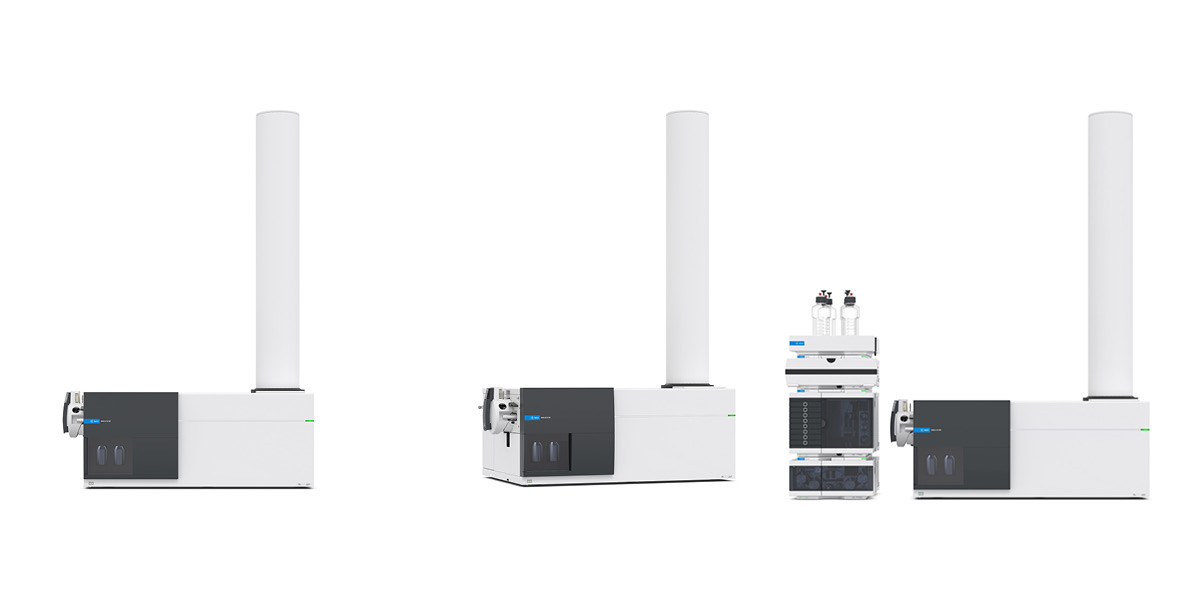
For laboratories seeking advanced capabilities, the Agilent 6546 LC/Q-TOF system offers high-resolution mass spectrometry for both targeted and non-targeted PFAS analysis. Its accurate mass measurements and fast acquisition rates enable the identification of a wide range of PFAS compounds, including emerging contaminants.


Key benefits:

  • High-Resolution Detection: Accurately identifies and quantifies known and unknown PFAS compounds.
  • Fast Acquisition Rates: Enhances throughput, allowing for the analysis of more samples in less time.
  • Advanced Data Analysis: Facilitates complex data interpretation with integrated software tools.
  • Versatility: Suitable for various applications, from environmental monitoring to product safety assessments.


Chemetrix offers expert guidance and technical support to integrate the 6546 LC/Q-TOF into laboratory workflows, ensuring optimal performance and data quality.


Building a safer future

By adopting advanced analytical instruments like the Agilent Ultivo LC/MS and 6546 LC/Q-TOF, South African laboratories can significantly enhance their PFAS detection capabilities. These tools not only improve the accuracy and efficiency of analyses but also empower scientists to better understand and mitigate the risks associated with PFAS contamination. With Chemetrix as a trusted partner, laboratories gain access to cutting-edge technology and dedicated support, fostering a proactive approach to environmental health and safety.


Partner with Chemetrix for PFAS solutions

Addressing the challenges posed by PFAS requires collaboration, innovation, and the right tools. Chemetrix is committed to supporting South African laboratories in their efforts to detect, analyse, and manage PFAS contamination. Contact Chemetrix today to learn more about our solutions and how we can assist your laboratory in safeguarding public health and the environment.

Combating PFAS ‘The Forever Chemical’ Contamination

Per- and Polyfluoroalkyl Substances (PFAS) are a group of manufactured chemicals that have been used in industry and consumer products since the 1940s due to their useful properties. There are thousands of different PFAS, some of which have been more widely used and studied than others.

Nothing about PFAS – from how they are made, to their unique characteristics, to how they need to be analysed – is easy. These chemicals were developed to simplify our lives, but now decades later, they have become a serious problem due to their elusive and persistent nature, hence the nickname ‘The Forever Chemical.’ What is clear is that PFAS contamination is an environmental and growing health issue, but what is less clear is how to address and manage this issue.


The importance of PFAS

PFAS are important because they have been widely used in industry and manufacturing due to their unique chemical properties; properties that make them heat-resistant, able to repel water, and close to indestructible. PFAS compounds have been used in many applications such as non-stick cookware, stain-repellent clothes, food contact materials, detergents, cleaning products, and fire-fighting foams.

The unfortunate consequence of PFAS

For many years, PFAS were thought to be inert and nontoxic and were extensively used with little thought for environmental disposal or ecological impact. It was not until early this century that the extent of PFAS global contamination was first realised. There are over 4000 PFAS compounds thought to have been manufactured and are now potentially in the environment globally.

The research on PFAS compounds has identified them as being persistent and bio accumulative, and their widespread use has led to them being almost ubiquitous in the environment. Because PFAS do not break down, they enter the environment through production or waste streams. In South Africa, the presence of PFAS has been detected in some water sources, including rivers and dams.

“PFAS are a new style of pollutants that don’t follow the ‘rules’ of traditional organic pollutants. This is why regulators and scientists, unfortunately, failed to predict how these chemicals would move through the environment, and why we now have a serious problem of such widespread PFAS contamination of drinking water, agricultural land, and the domestic environment.”

– Bradley Clarke, senior lecturer in Analytical Chemistry and Environmental Science, at the University of Melbourne in Australia, and an Agilent collaborator.


PFAS exposure and human health

People can be exposed to low levels of PFAS compounds through consumer products that contain PFAS, for example, carpets, leather and apparel, textiles, paper and packaging materials, and non-stick cookware. Drinking water can also be a source of exposure in communities where these chemicals have contaminated water supplies, such as an industrial facility where PFAS were produced, or used to manufacture other products, or an oil refinery, airfield or other location at which PFAS may have been used for firefighting.

Download our eBook Guide to Targeted Quantification and Screening of PFAS Compounds in Environmental Matrices >

Helping scientists learn more about PFAS

PFAS contamination is a complex issue. While knowledge about PFAS compounds and their potential health effects has grown, many questions remain unanswered. It’s also a global issue and collaborative research allows countries to share knowledge, best practices, and effective solutions.

Watch our webinar on Strategies to Optimise Performance of PFAS Analysis >

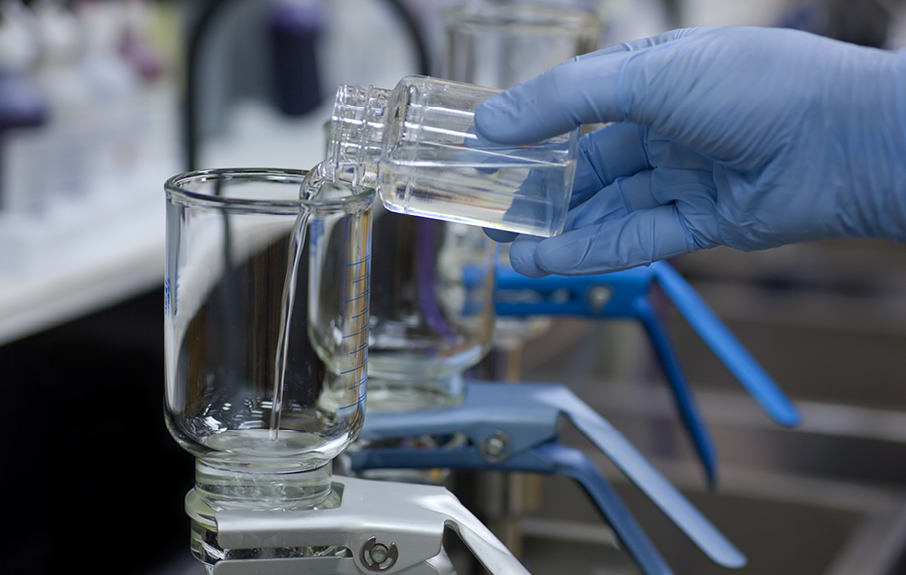
Committed to helping scientists and regulators around the world solve these water issues to provide safe and sustainable water sources for everyone, Agilent has recently developed a protocol for the analysis of PFASs in drinking water using the Agilent Ultivo triple quadrupole LC/MS. Working with leading researchers around the world, Agilent has also developed a method for extracting PFASs in drinking water using Agilent Offline Solid Phase Extraction and an Agilent LC/MS/MS system with a PFAS-free 1290 Infinity II LC System.

Agilent Ultivo LC/MSMS


Agilent 1290 Infinity II 2D-LC System


Providing scientists with measurement and identification technology solutions to accurately analyze PFAS chemicals in water is a critical first step for estimating human exposure and potential risk. Robust analytical techniques that can provide unbiased quantitative and qualitative data on these PFAS pollutants at trace levels are necessary for further understanding their environmental fate, ecological impacts, and impacts on public health. These analytical techniques and the fundamental data they generate will allow scientists and regulators to make informed assessments of PFAS use in modern society.

Watch our webinar on The PFAS Lab of the Future >

Although PFAS research on the African continent is not extensive as yet, the growing awareness and need to understand these chemicals for policy and regulation is necessary. As an analytical instrument supplier and solutions provider for laboratories, Chemetrix is committed to helping combat the “Forever Chemical” challenge.

Parts of this article have been adapted from the original published by Agilent.

Aqueous Film Forming Foam Formulations

Aqueous film forming foam (AFFF) is an effective fire suppressant for petroleum-based fires.  Foams are primarily composed of complex mixtures of per- and polyfluorinated substances (PFAS), but the exact composition is protected business information.  Identification of PFAS using High–resolution mass spectrometry (HR-MS) only utilizes the accurate mass and isotope pattern of the molecular ion and is not robust as formulas do not provide structural information.  Fragment ions from MSMS spectra can greatly improve identification confidence with software tools such as Fluoromatch. Data-dependent acquisition (DDA) is a common tool used to acquire MSMS spectra when the composition is unknown.  In this study, three approaches based on DDA acquisition for the MSMS fragmentation of fluorinated compounds were optimized and compared.


Emily Parry, PhD
LC/MS Applications Scientist
Agilent Technologies, Inc.


Emily Parry received her PhD degree in Environmental Chemistry from the University of California, Davis. She joined Agilent after completing her postdoctoral work at the Environmental Protection Agency (EPA). Her specialty is method development and measurement of emerging contaminants.


Register and watch on demand >


Water Analysis | Per- and Polyfluoroalkyl Substances (PFAS)

(PFAS) are persistent, bioaccumulative, and a health concern, calls for more regulatory guidance and stringent requirements have increased. As a market leader in environmental analysis for over 40 years, Agilent offers complete start-to-finish workflows for extraction, screening, quantification, and reporting of PFAS in water and environmental samples.


Resources

PFAS Analysis in the Environment: Agilent solutions to improve productivity & robustness

Presentation

Reduce PFAS Background with the Agilent PFC-Free* HPLC Conversion Kit Link:

Technical Overview