Why does December create a surge in lab workloads across South Africa?
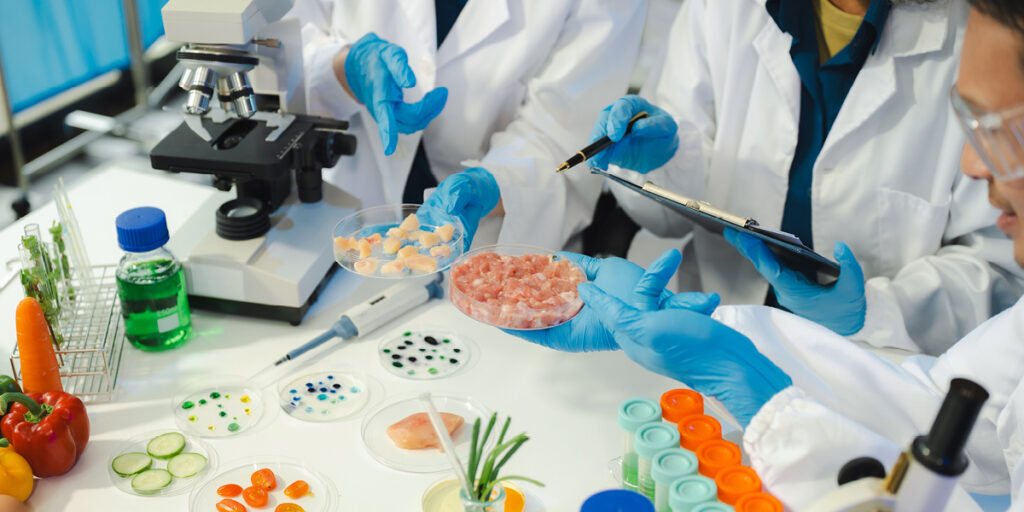
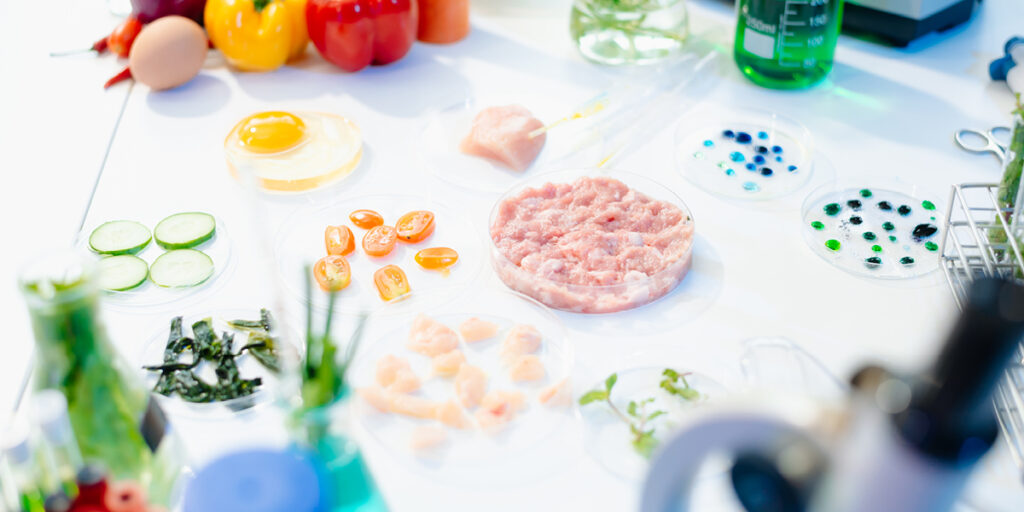
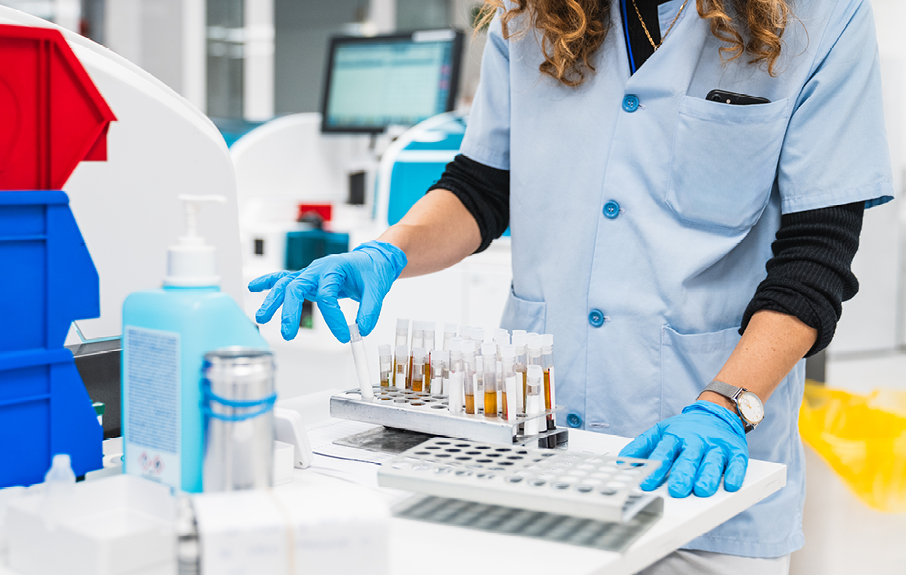
December marks the busiest time of the year for South African laboratories. Whether testing food safety ahead of holiday feasts, screening textiles for contaminants, or analysing water quality, labs face a dramatic increase in sample volumes. This spike results from heightened consumer demand, regulatory pressures, and export deadlines. Managing this surge efficiently is essential to ensure timely and accurate results.
🖥️ Watch the Automated Protein Sample Prep in Labs Just Got Easier webinar to learn how a wide variety of sample prep workflows can be addressed with a small footprint automation platform.
What challenges do manual workflows present during peak testing periods?
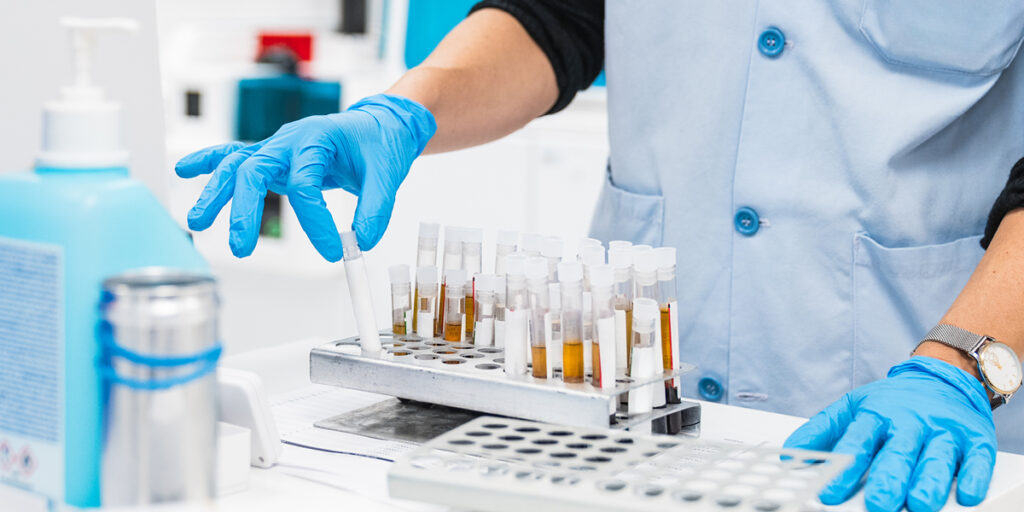
Manual sample preparation can become a significant bottleneck during high-demand periods. It involves repetitive, time-consuming steps prone to human error, leading to longer turnaround times and inconsistent results. Overworked staff may face fatigue, increasing the risk of mistakes. These challenges compromise lab efficiency and can delay critical decisions by producers and regulators.
How can automation help labs overcome throughput bottlenecks?
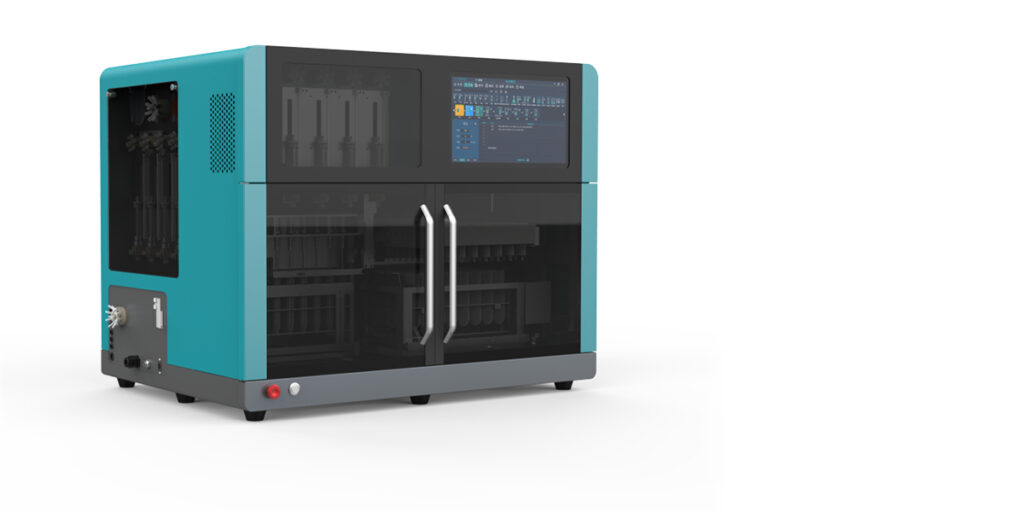
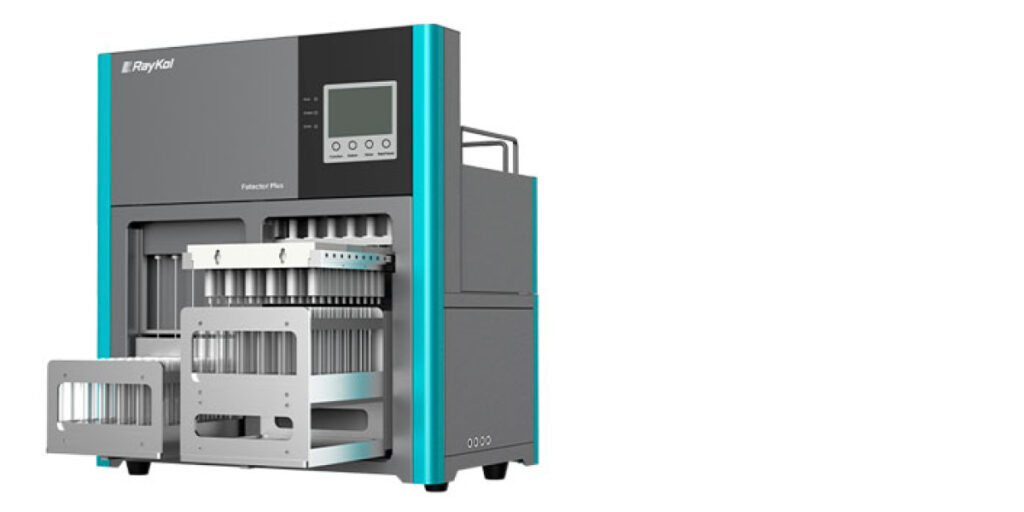
Automated systems like Raykol’s advanced Solid Phase Extraction (SPE) equipment drastically reduce manual intervention in sample prep. Automation enables rapid processing of large sample batches with consistent precision. This not only speeds up workflows but also improves reproducibility and data quality. Scientists are freed from repetitive tasks and can focus more on data analysis, troubleshooting, and method development.
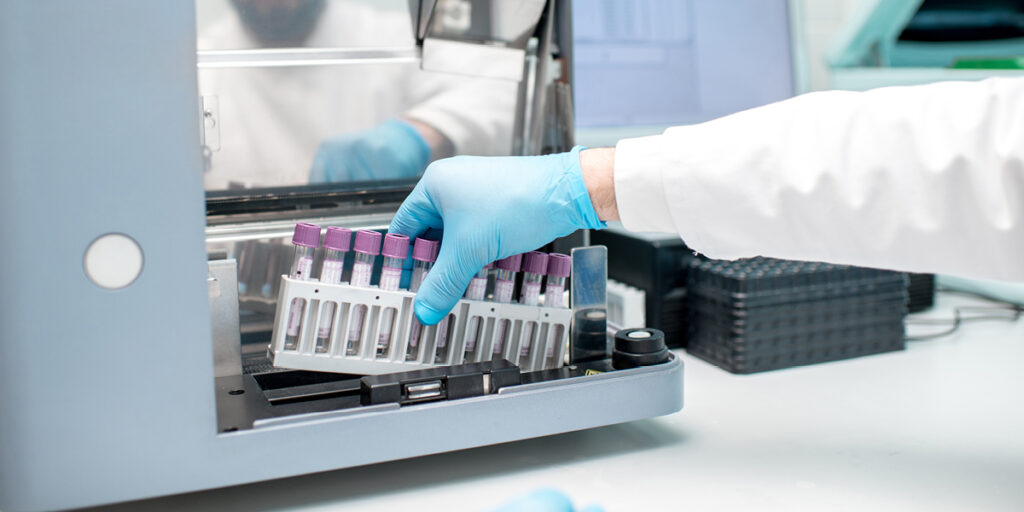
Why is automation crucial for South Africa’s diverse testing requirements?
South African labs serve a broad spectrum of sectors, including agricultural exports, textiles, food safety, and environmental monitoring. Each sector demands tailored analytical workflows and compliance with strict regulations. Automation allows labs to scale up quickly without sacrificing accuracy, making it a vital investment to remain competitive and meet both local and international standards during festive season peaks.
🖥️ Watch the Decoding Automation of Metabolite and Lipid Extraction Workflows webinar to understand key automation developments for handling organic solvents, pipetting precipitates, employing filtration for solid phase extraction, and targeting high recovery from small samples.
What are the specific benefits of Raykol’s automated SPE systems during festive peaks?
Raykol’s systems streamline complex sample prep steps, cutting down hands-on time and reducing human error. Labs can increase throughput significantly, maintaining fast turnaround times without compromising data integrity. This ensures faster reporting to clients and regulators, enhances lab productivity, and supports better resource allocation during the busiest times of the year.
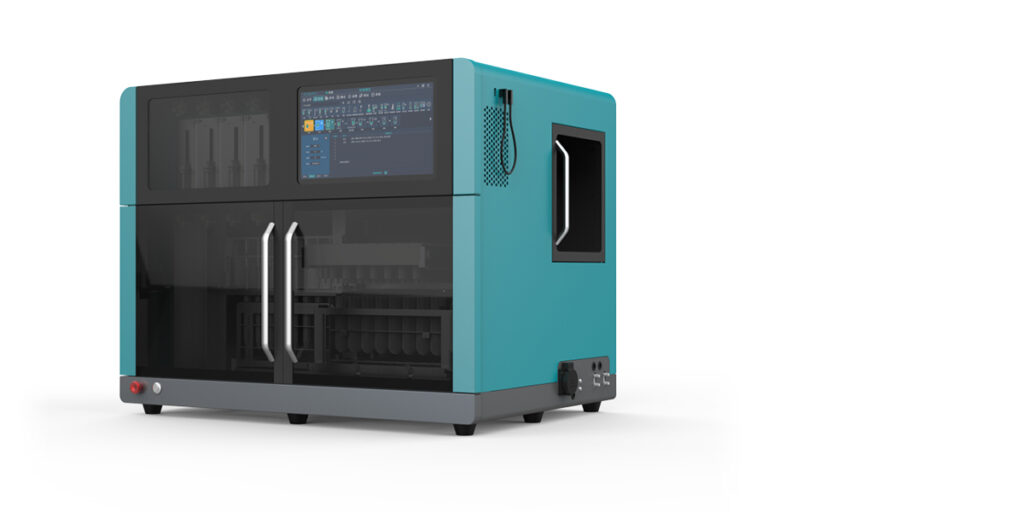
Raykol’s automated SPE systems
Ready to transform your lab’s festive season workflow?
South African laboratories aiming to stay ahead of demand spikes should explore automation solutions today. Implementing Raykol’s automated SPE systems can optimise workflows, reduce bottlenecks and uphold testing accuracy when it matters most.
✅ TL;DR – Key Takeaways
- December is the peak testing season for South African labs across multiple industries.
- Manual prep workflows cause delays, errors, and staff fatigue during high volumes.
- Automation with Raykol SPE systems accelerates prep, boosts throughput, and ensures consistent results.
- Lab automation frees scientists to focus on data interpretation and innovation.
- Essential for labs handling diverse testing needs to stay competitive and compliant.