Lab Automation in South Africa: Boosting Throughput for Festive Season Demand

Why does December create a surge in lab workloads across South Africa?

December marks the busiest time of the year for South African laboratories. Whether testing food safety ahead of holiday feasts, screening textiles for contaminants, or analysing water quality, labs face a dramatic increase in sample volumes. This spike results from heightened consumer demand, regulatory pressures, and export deadlines. Managing this surge efficiently is essential to ensure timely and accurate results.


What challenges do manual workflows present during peak testing periods?

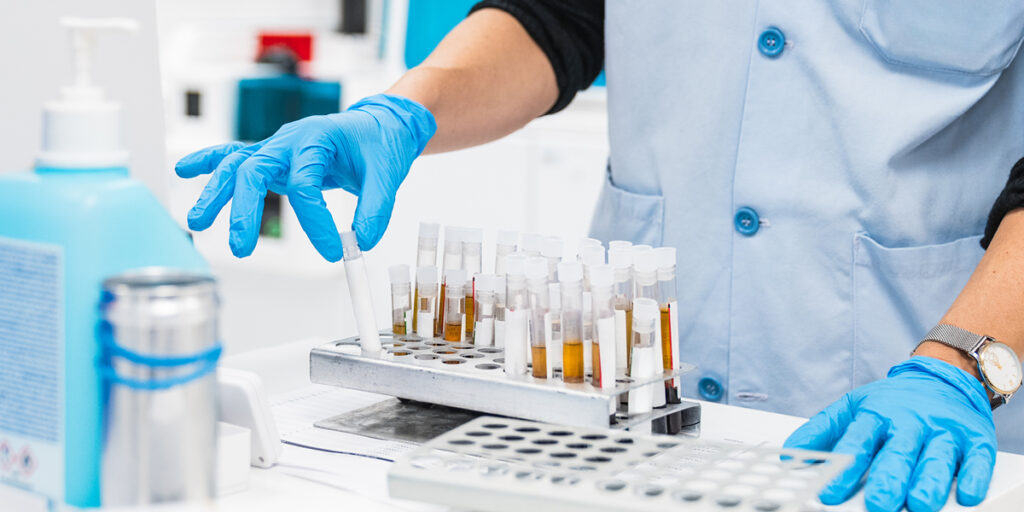
Manual sample preparation can become a significant bottleneck during high-demand periods. It involves repetitive, time-consuming steps prone to human error, leading to longer turnaround times and inconsistent results. Overworked staff may face fatigue, increasing the risk of mistakes. These challenges compromise lab efficiency and can delay critical decisions by producers and regulators.


How can automation help labs overcome throughput bottlenecks?

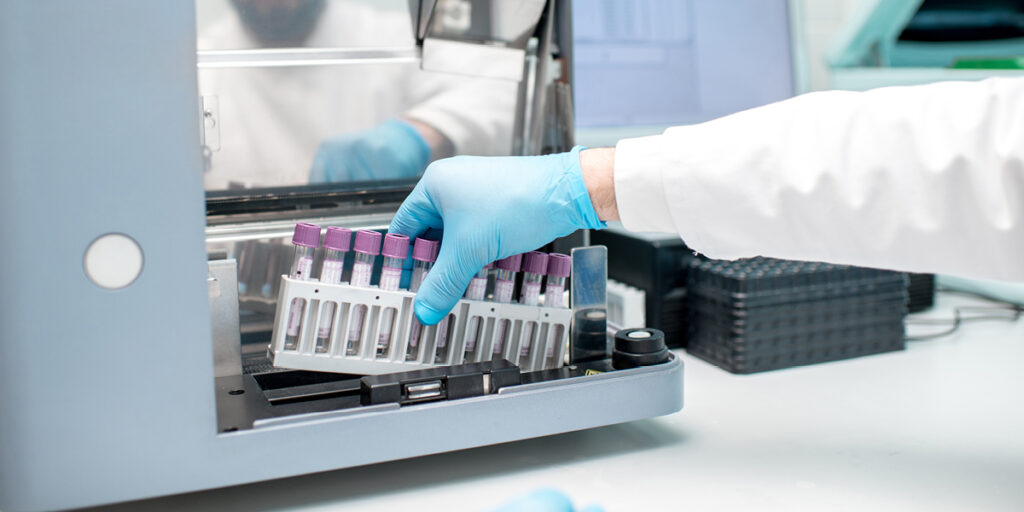
Automated systems like Raykol’s advanced Solid Phase Extraction (SPE) equipment drastically reduce manual intervention in sample prep. Automation enables rapid processing of large sample batches with consistent precision. This not only speeds up workflows but also improves reproducibility and data quality. Scientists are freed from repetitive tasks and can focus more on data analysis, troubleshooting, and method development.


Why is automation crucial for South Africa’s diverse testing requirements?

South African labs serve a broad spectrum of sectors, including agricultural exports, textiles, food safety, and environmental monitoring. Each sector demands tailored analytical workflows and compliance with strict regulations. Automation allows labs to scale up quickly without sacrificing accuracy, making it a vital investment to remain competitive and meet both local and international standards during festive season peaks.


What are the specific benefits of Raykol’s automated SPE systems during festive peaks?

Raykol’s systems streamline complex sample prep steps, cutting down hands-on time and reducing human error. Labs can increase throughput significantly, maintaining fast turnaround times without compromising data integrity. This ensures faster reporting to clients and regulators, enhances lab productivity, and supports better resource allocation during the busiest times of the year.
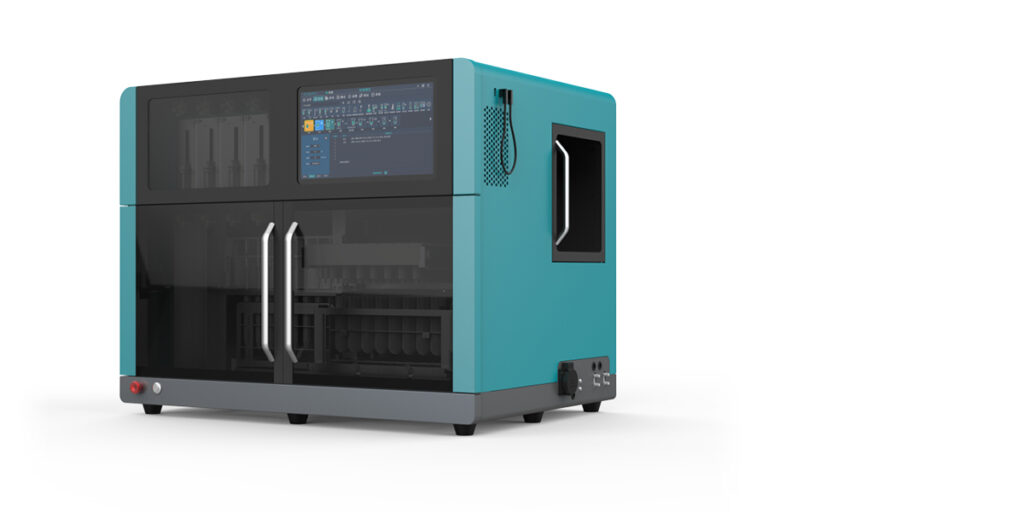
 

Raykol’s automated SPE systems

Ready to transform your lab’s festive season workflow?

South African laboratories aiming to stay ahead of demand spikes should explore automation solutions today. Implementing Raykol’s automated SPE systems can optimise workflows, reduce bottlenecks and uphold testing accuracy when it matters most.


✅ TL;DR – Key Takeaways

  • December is the peak testing season for South African labs across multiple industries.
  • Manual prep workflows cause delays, errors, and staff fatigue during high volumes.
  • Automation with Raykol SPE systems accelerates prep, boosts throughput, and ensures consistent results.
  • Lab automation frees scientists to focus on data interpretation and innovation.
  • Essential for labs handling diverse testing needs to stay competitive and compliant.

Software

Chemetrix laboratory software offers the control that businesses demand, as well as the flexibility and technical functionality that cutting-edge labs require. Our portfolio includes data systems for analytical instrument control and data analysis, Lab Information Management (LIMS) and Inventory Management Systems and additional software packages for data visualization and mining.


Chromatography Data Systems

OpenLab Software portfolio is an integrated suite of products that includes sample management, data acquisition, data analysis, data management, lab workflow management. These products easily integrate to work together to cover the analytical workflow from the moment the analytical request is generated until the data are archived. OpenLab software improves lab throughput and the quality of your results and will be an integral part of your data integrity strategy.


Tutorials

OpenLab CDS for ChemStation Users Submitting and Managing Runs


OpenLab CDS for ChemStation Users Acquisition Methods


OpenLab CDS for ChemStation Users – Control Panel

OpenLab CDS for ChemStation Users – Create a Sequence

OpenLAB Chemstation – Editing an Existing Intelligent Report

OpenLAB Chemstation – How to Create a Multi-level Calibration Curve

OpenLAB CDS – How to Zoom In and Out of a Chromatogram


OpenLAB CDS – How to view Audit Trails


Resources

Data Integrity Tips for Laboratories Part 1

Download PDF


MassHunter

The MassHunter software suite supports efficient data acquisition, qualitative data analysis, quantitative data analysis, and reporting for Agilent GC/MS, LC/MS and ICP-MS systems.


Tutorials

How to summate peaks in MassHunter Quant

The use of Sublists in MassHunter Quant

MassHunter PDF Report Builder Existing Templates and Column Edits

Cell Analysis

With over 20,000 genes, 200,000 proteins and thousands of pathways, you can’t measure everything in a cell at once, but you can measure the energy that drives them. Chemetrix offers cell analysis technology solutions that detect discrete changes in cellular bioenergetics in real-time. Real-time cell measurements provide a clear window into the critical functions driving cell signaling, proliferation, activation, toxicity and biosynthesis. Move beyond analysing what your cells are, and reveal a clearer measure of what they do.


Best Practices & Fundamentals

Procedures, Techniques and Resources for a Successful Xf Assay.


Training

Energy Pathways Video

Seahorse XF Training Webinar – Gather Assay Materials

Fundamentals | Measuring Cell Metabolism – Transient Micro-chamber

ICP Chromatography Mass Spectrometry

Chemetrix’s market-leading inductively coupled plasma mass spectrometry (ICP-MS) systems provide flexible and reliable solutions for elemental analysis. Our single quadrupole ICP-MS and triple quadrupole (ICP-QQQ) instruments offer the highest matrix tolerance and unmatched interference removal, delivering fast, accurate, and consistently reproducible results, even for trace metals.


Concepts & Fundamentals

Learn about ICP-MS principles, concepts and their main components, as well as best practices, Tips & Tricks.


Fundamentals

The principles of ICP-MS

Principles

This is How you ICP-MS: Mastering the Art of Cone Performance

Executive Overview


Tips & Tricks

A collection of useful guides.

Guidelines for Trouble Shooting and Maintenance of ICP-MS Systems

Presentation

Agilent ICP-MS Interactive Troubleshooting tool for Low sensitivity

Presentation

The secret way to double-check an ICP-MS result without rerunning the sample

How to do an ICP-MS analysis from outside the lab

How to dilute ICPMS samples without using liquid diluent

Using Helium mode to deal with tricky chemistry in ICP-MS analysis

Liquid Chromatography Mass Spectrometry

Chemetrix liquid chromatography/mass spectrometry (LC/MS) brings powerful analytical capability to a wide range of applications. Complete LC/MS workflows feature sample preparation, InfinityLab chromatography, and Agilent mass spectrometry, as well as software to acquire high-quality data and turn it into definitive answers. The Chemetrix LC/MS family provides the capabilities and performance to solve virtually any analytical challenge.


Concepts & Fundamentals


Learn about LC-MS principles, concepts and their main components, as well as best practices, Tips & Tricks.


Fundamentals

Discover the Fundamentals of Mass Spectrometry.

Fundamentals of Mass Spectrometry Theory

Presentation

Basics of LC/MS

Primer


LC-MS Concepts

Concept guides to our Triple Quad and High-Resolution QTOF instruments

Agilent 6400 Series Triple Quadrupole LC/MS

Concepts Guide

Agilent 6200 Series TOF and 6500 Series Q-TOF LC/MS System

Concepts Guide

Dissolution

Chemetrix offers a robust and innovative portfolio of pharmaceutical dissolution testing products. Our systems are designed to meet regulatory guidelines and integrate the latest technologies for product formulation and other applications. Our dissolution product range expanded through the acquisitions of the VanKel Technology Group and Varian Scientific Instruments.


Best Practices & Fundamentals

Learn about dissolution testing systems and their main components, as well as best practices, Tips & Tricks


Tips & Tricks

Useful Tips for the Agilent 708-DS System & Autosamtes Sampling Station

Agilent Tips and Tricks 708-DS Dissolution Apparatus

Fundamentals Webinar Series

A three-part series that covers the fundamentals of Dissolution.

1. Fundamentals of Dissolution

View Webinar

2. Dissolution Best Practices and Qualification

View Webinar

3. Agilent’s Advanced Dissolution Systems & Software

View Webinar

Sample Preparation

The success of any analytical laboratory technique, lies first and formemost with the integrity of the sample and secondly with sample Preparation. Learn the fundamentals and solutions Chemetrix provised to ensure analytical success


Chromatograpahy & Mass Spec

Since most samples encountered in a chromatography laboratory are not in a form to be directly placed into the analytical instrument, some form of preparation is required for nearly every sample. The sample preparation could be as simple as “dilute and shoot” or as complex as multistage sample handling. The aim of sample preparation is to provide a sample aliquot that (a) is relatively free of interferences, (b) will not damage the column or instrument and (c) is compatible with the intended analytical method. In chromatography, the sample solvent should dissolve in the HPLC mobile phase or be injectable into a GC column without affecting sample retention or resolution, the stationary phase itself, and without interfering with detection. 


Fundamentals

Here you can find useful resources on Sample Preparation for Chromatography Techniques

Sample Preparation Fundamentals for Chromatography

Primer

Simple Approaches to SPE Method Development

Simple Steps to Maximize Lipid Removal with EMR-Lipid

Liquid Chromatography

Chemetrix InfinityLab solutions for high- and ultrahigh-performance liquid chromatography include instruments, columns, and supplies to help your lab achieve highest operational efficiency. From routine analysis to cutting-edge research, the InfinityLab LC Series offers the broadest portfolio of HPLC, UHPLC and Preparative HPLC solutions for any application and budget.


Fundamentals

Learn about liquid chromatography systems and their main components, as well as the basics of LC separation and the common industries where they are used.


HPLC Fundamentals

Learn about liquid chromatography systems and their main components, as well as the basics of LC separation and the common industries where they are used.

High Performance Liquid Chromatography Fundamentals – Theory

Presentation

Enabling datascience through creation of a chromatography results database

Chromatography Database

The LC Handbook

A Comprehensive Guide to LC Columns and Method Development

LC Handbook


Tips & Tricks

Get tips and tricks for keeping your chromatography alive with an insightful presentation that’ll show you how to bring your column back to life, when it is time to get a new and preventative measures you can take.

Presentation

Gas Chromatography

Our Gas chromatography (GC) systems combine the renowned Agilent robustness with innovative technology and integrated instrument intelligence to offer labs and operators predictive technologies aimed at preventing common GC problems before they occur. We offer the broadest range of GC solutions, custom for each customer’s application.


Fundamentals

Learn about gas chromatographs and their main components, as well as the basics of GC separation and the common industries where GCs are used.


Fundamentals of Gas Chromatography (GC) – Part 1

Learn about gas chromatographs and their main components, as well as the basics of GC separation and the common industries where GCs are used.

<div style=”padding:56.3% 0 0 0;position:relative;”><iframe src=”https://player.vimeo.com/video/579754639?badge=0&amp;autopause=0&amp;player_id=0&amp;app_id=58479″ frameborder=”0″ allow=”autoplay; fullscreen; picture-in-picture” style=”position:absolute;top:0;left:0;width:100%;height:100%;” title=”GC Fundamentals | Part 1 – Introduction”></iframe></div><script src=”https://player.vimeo.com/api/player.js”></script>

Fundamentals of Gas Chromatography (GC) – Part 2

Primary Components of a GC System and Steps for a GC Analysis

Fundamentals of Gas Chromatography (GC) – Part 3

Sample Injection, Separation and Detection

Fundamentals of Gas Chromatography (GC) – Part 4

Fundamentals of GC Columns


Gas Chromatography Mass Spectrometry

Chemetrix and Agilent have led innovation and performance in gas chromatography/mass spectrometry (GC/MS) for over 40 years, from the first benchtop GC/MS through to the MS/MS-capable high-resolution GC/Q-TOF. The Chemetrix GC/MS family of instruments and accessories provides the efficiency, flexibility, and robust performance that modern analytical laboratories require.


Concepts & Fundamentals

Learn about GC-MS principles, concepts and their main components, as well as best practices, Tips & Tricks.


Fundamentals

Fundamentals of Mass Spectrometry Theory

Presentation

GC/MS Fundamentals

Presentation

Fundamentals of GC Columns


GC-MS Concenpts

Agilent GC- MSD Concepts Guide

Concepts Guide

Transferring GC/MSD Methods to a Triple Quadrupole GC/MS System

Technical Overview