Why does December create a surge in lab workloads across South Africa?
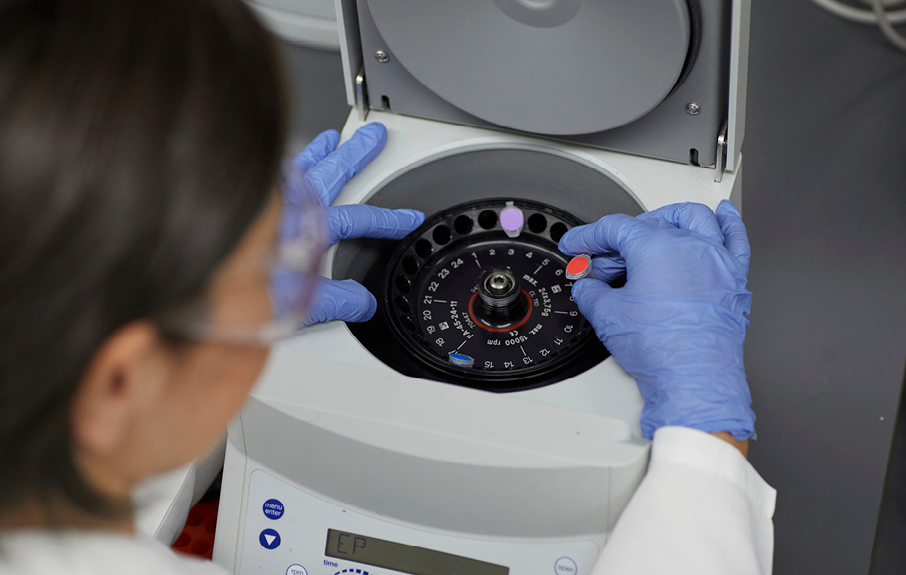
December marks the busiest time of the year for South African laboratories. Whether testing food safety ahead of holiday feasts, screening textiles for contaminants, or analysing water quality, labs face a dramatic increase in sample volumes. This spike results from heightened consumer demand, regulatory pressures, and export deadlines. Managing this surge efficiently is essential to ensure timely and accurate results.
What challenges do manual workflows present during peak testing periods?
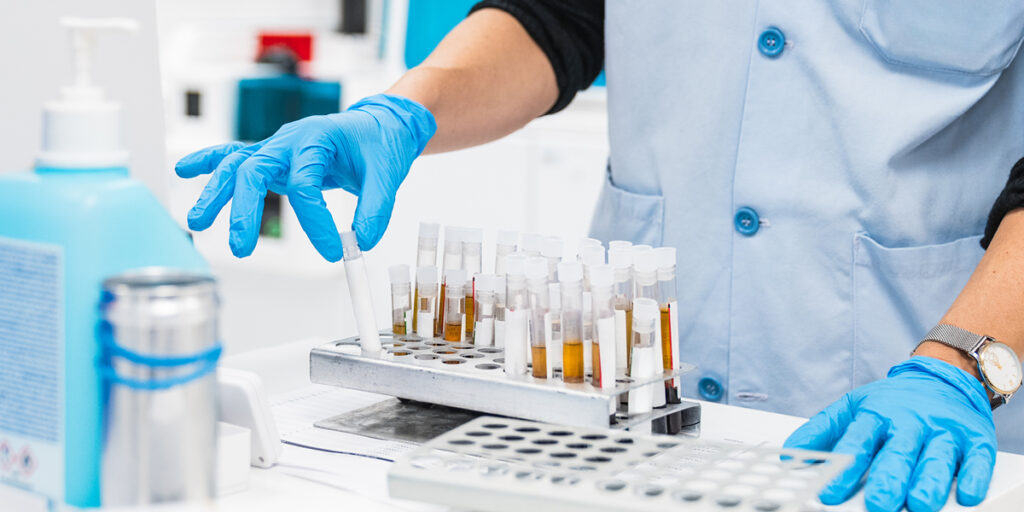
Manual sample preparation can become a significant bottleneck during high-demand periods. It involves repetitive, time-consuming steps prone to human error, leading to longer turnaround times and inconsistent results. Overworked staff may face fatigue, increasing the risk of mistakes. These challenges compromise lab efficiency and can delay critical decisions by producers and regulators.
How can automation help labs overcome throughput bottlenecks?
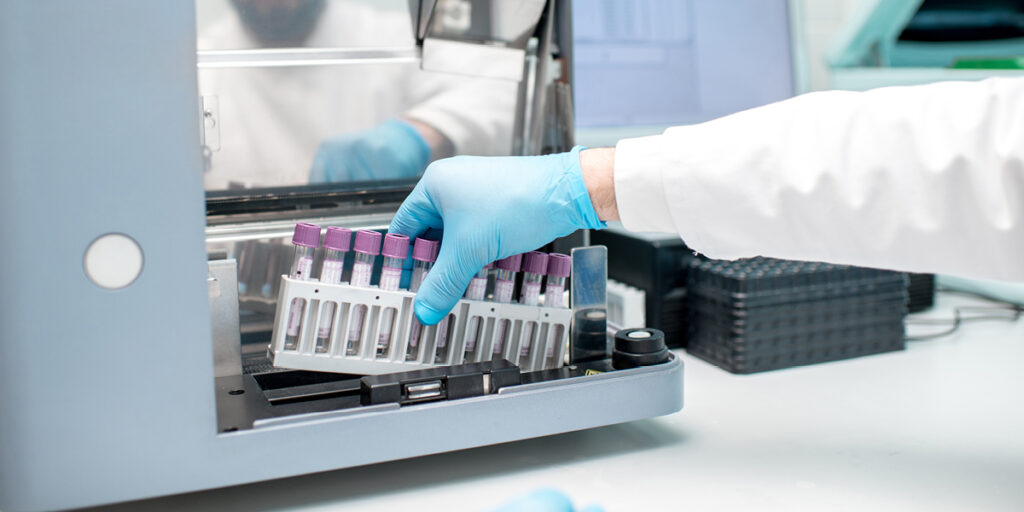
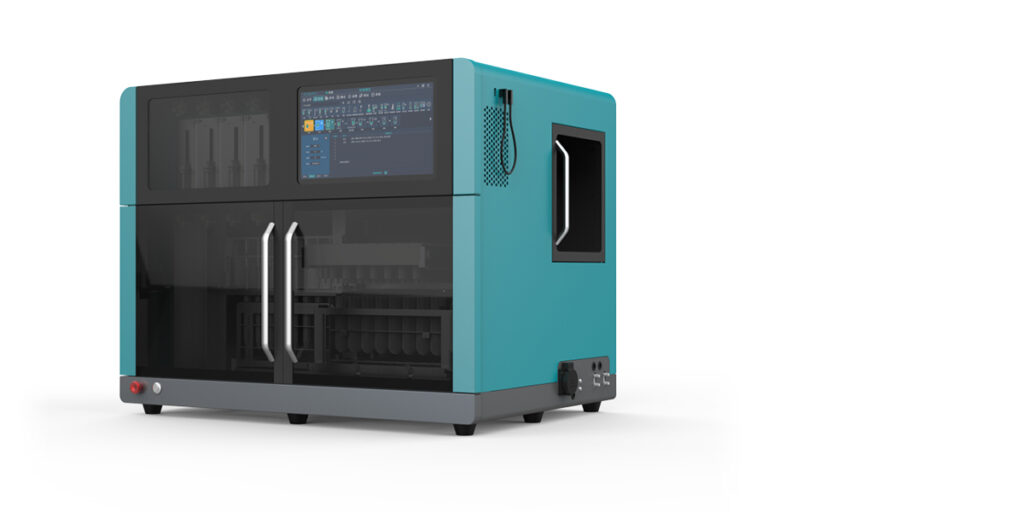
Automated systems like Raykol’s advanced Solid Phase Extraction (SPE) equipment drastically reduce manual intervention in sample prep. Automation enables rapid processing of large sample batches with consistent precision. This not only speeds up workflows but also improves reproducibility and data quality. Scientists are freed from repetitive tasks and can focus more on data analysis, troubleshooting, and method development.
Why is automation crucial for South Africa’s diverse testing requirements?
South African labs serve a broad spectrum of sectors, including agricultural exports, textiles, food safety, and environmental monitoring. Each sector demands tailored analytical workflows and compliance with strict regulations. Automation allows labs to scale up quickly without sacrificing accuracy, making it a vital investment to remain competitive and meet both local and international standards during festive season peaks.
What are the specific benefits of Raykol’s automated SPE systems during festive peaks?
Raykol’s systems streamline complex sample prep steps, cutting down hands-on time and reducing human error. Labs can increase throughput significantly, maintaining fast turnaround times without compromising data integrity. This ensures faster reporting to clients and regulators, enhances lab productivity, and supports better resource allocation during the busiest times of the year.
Raykol’s automated SPE systems
Ready to transform your lab’s festive season workflow?
South African laboratories aiming to stay ahead of demand spikes should explore automation solutions today. Implementing Raykol’s automated SPE systems can optimise workflows, reduce bottlenecks and uphold testing accuracy when it matters most.
✅ TL;DR – Key Takeaways
December is the peak testing season for South African labs across multiple industries.
Manual prep workflows cause delays, errors, and staff fatigue during high volumes.
Automation with Raykol SPE systems accelerates prep, boosts throughput, and ensures consistent results.
Lab automation frees scientists to focus on data interpretation and innovation.
Essential for labs handling diverse testing needs to stay competitive and compliant.
Beer is more than just a refreshing beverage – it’s a carefully crafted balance of ingredients, chemistry, and precision. From the selection of raw materials to the final pour, ensuring the highest quality requires rigorous testing at every stage. Modern analytical instruments have revolutionised beer analysis, giving brewers deeper insights into composition, consistency, and safety. At Chemetrix, we support brewers with cutting-edge solutions to maintain excellence in every batch.
The importance of beer analysis
For centuries, brewing has been both an art and a science. Today, breweries of all sizes rely on analytical testing to:
Ensure product consistency and quality control
Detect contaminants or unwanted elements
Monitor fermentation efficiency
Comply with safety and regulatory standards
Without accurate analysis, a beer’s taste, aroma, and mouthfeel could be compromised, potentially impacting consumer trust and brand reputation.
Key techniques in beer testing
Several advanced techniques are used to analyse beer, from raw materials to the finished product. The latest innovations in spectroscopy and chromatography allow for precise monitoring of chemical composition, ensuring every pint meets the highest standards.
Elemental analysis with ICP-OES
Inductively Coupled Plasma Optical Emission Spectroscopy (ICP-OES) is an essential tool in beer analysis, particularly for detecting and quantifying metallic elements. Metals such as iron, copper, and zinc can influence beer’s taste, stability, and shelf life. Excessive levels can lead to oxidation and undesirable flavours. The Agilent 5900 ICP-OES is a preferred instrument in the brewing industry, offering fast, multi-element analysis with exceptional sensitivity. By monitoring metal content, brewers can ensure consistency and prevent unwanted chemical reactions.
Yeast plays a crucial role in fermentation, converting sugars into alcohol and carbon dioxide. Monitoring yeast health and growth rate is vital for efficient fermentation. UV-Vis spectroscopy, such as the Agilent Cary 60 UV-Vis, provides rapid and accurate yeast cell density measurements. This allows brewers to optimise fermentation conditions, reducing inconsistencies and improving beer quality.
Atomic Absorption Spectrometry (AAS) for trace metal detection
Even trace amounts of heavy metals can impact beer’s stability and flavour profile. Atomic Absorption Spectrometry (AAS) is used to detect elements like lead, arsenic, and cadmium at very low concentrations. The Agilent 240FS AA offers high-speed analysis with precision, ensuring contaminants remain below regulatory limits.
As the leading analytical instrument supplier in South Africa, Chemetrix is committed to providing breweries with state-of-the-art solutions for beer testing. Whether it’s ensuring the right mineral balance, optimising fermentation, or preventing contaminants, our cutting-edge instruments empower brewers with actionable insights.
The science behind beer analysis ensures that every sip meets the highest standards. With the right tools, brewers can combine tradition with technology, crafting consistently high-quality beer that delights consumers.
For more information on analytical instruments for beer testing, contact Chemetrix today.
In an interconnected world where food production and trade span continents, ensuring the safety and quality of food products has become a critical priority. Rising consumer expectations and increasingly stringent regulatory standards mean stakeholders in the food industry must navigate a complex web of challenges. From detecting contaminants to meeting compliance requirements, the stakes are high. This is where cutting-edge technologies like mass spectrometry are stepping in to revolutionise food safety testing, delivering unmatched precision, efficiency, and reliability.
The growing importance of Food Safety
Food safety is non-negotiable. Defined by the World Health Organization (WHO) as the prevention of hazards – both chronic and acute – that can harm consumer health, it forms the backbone of a trustworthy food supply chain. Hazards may include microbial contamination, pesticide residues, heavy metals, and even naturally occurring toxins, all of which can pose serious risks if left unchecked.
Food quality, while often considered alongside safety, addresses different concerns. It encompasses attributes such as flavour, texture, appearance, and even the origin of a product. While safety ensures a product is fit for consumption, quality determines its value and appeal to consumers.
For food producers, striking a balance between these two aspects is essential to building trust and maintaining competitiveness.
Why Mass Spectrometry?
Mass spectrometry has become a cornerstone of modern food safety testing, thanks to its unparalleled sensitivity, accuracy, and versatility. Unlike traditional methods, which may require separate tests for different contaminants, mass spectrometry can detect and quantify multiple analytes in a single run. This capability significantly enhances efficiency and reduces the time required for analysis – a critical advantage for laboratories handling high sample volumes.
Key Advantages of Mass Spectrometry in Food Safety
Unmatched sensitivity and precision
Mass spectrometry can detect contaminants at trace levels, often in parts per billion (ppb) or even parts per trillion (ppt). This is vital as regulatory agencies worldwide demand more stringent detection limits to protect public health.
Multi-analyte detection
With mass spectrometry, laboratories can analyse multiple contaminants simultaneously, including pesticides, heavy metals, mycotoxins, and allergens. This not only improves throughput but also reduces the cost and complexity of testing.
Simplified sample preparation
Advanced mass spectrometry systems streamline sample preparation, reducing the likelihood of human error while speeding up the testing process.
Adaptability across food matrices
From solid foods like grains and meats to liquids like milk and juices, mass spectrometry can handle diverse food matrices, making it a versatile solution for the food industry.
One of the most significant developments in mass spectrometry is the rise of inductively coupled plasma mass spectrometry (ICP-MS). Historically viewed as complex and challenging to operate, ICP-MS has undergone a transformation. Modern instruments now feature user-friendly interfaces, automated optimisation, and built-in diagnostic tools, making them accessible to labs of all sizes.
ICP-MS is particularly valuable for detecting heavy metals such as lead, cadmium, and mercury, which can have severe health consequences even at low concentrations. The technique’s sensitivity and specificity ensure that contaminants are accurately identified and quantified, enabling producers to meet regulatory requirements with confidence.
Another breakthrough is the integration of liquid chromatography-mass spectrometry (LC-MS) and gas chromatography-mass spectrometry (GC-MS). These methods are widely used for detecting pesticide residues and volatile organic compounds in food products. The combination of chromatography and mass spectrometry allows for the separation and precise identification of compounds within complex mixtures, ensuring reliable results.
Addressing the challenges of a globalised food supply chain
In a globalised food economy, the complexity of supply chains adds another layer of risk. Ingredients sourced from diverse regions can introduce contaminants at various stages, making robust testing protocols indispensable. Additionally, the transportation and storage of food products can create opportunities for microbial growth or chemical alterations.
Regulatory bodies worldwide, such as the European Food Safety Authority (EFSA) and the United States Food and Drug Administration (FDA), have responded by tightening standards and lowering acceptable thresholds for contaminants. As a result, food manufacturers must adopt advanced technologies to stay ahead of compliance requirements.
Mass spectrometry provides the tools needed to address these challenges. Offering rapid, reliable testing, enables stakeholders to identify potential issues early in the supply chain. For example, a shipment of imported spices can be tested for pesticide residues before distribution, preventing contaminated products from reaching consumers.
Moreover, mass spectrometry supports traceability – a key component of modern food safety systems. By linking test results to specific batches or production lots, producers can quickly identify and recall affected products in the event of a safety breach. This level of accountability is essential for maintaining consumer trust and avoiding costly disruptions.
Chemetrix is at the forefront of delivering advanced mass spectrometry solutions tailored to the needs of the food industry. With a deep understanding of the unique challenges faced by producers, regulatory agencies, and testing laboratories, Chemetrix provides comprehensive support to ensure optimal performance and compliance.
Why choose Chemetrix?
Cutting-Edge Instrumentation: Chemetrix offers state-of-the-art mass spectrometry systems, including ICP-MS, LC-MS, and GC-MS, designed for precision and efficiency.
Expert Guidance: From installation to training and ongoing support, Chemetrix’s team of experts ensures that clients can fully leverage their technology investments.
Tailored Solutions: Recognising that every client has unique requirements, Chemetrix works closely with stakeholders to develop customised workflows that meet their specific needs.
By partnering with Chemetrix, food producers and testing labs gain access to the tools and expertise needed to navigate the complexities of modern food safety testing with confidence.
The Future of Food Safety
As food systems evolve, so too must the methods used to ensure their safety. Mass spectrometry represents a critical step forward, offering the precision, speed, and adaptability needed to meet the challenges of an increasingly interconnected world.
For the food industry, adopting advanced testing technologies is not just about compliance – it’s about safeguarding public health, protecting brand reputation, and building trust with consumers. With partners like Chemetrix leading the way, the future of food safety is brighter, more secure, and more innovative than ever.
Ensuring food safety and quality is more crucial than ever. For African countries, where ensuring food safety and quality is paramount for the well being of their citizens and the success of their exports, Agilent expertise can make a difference.
Chemetrix offers Agilent’s comprehensive suite of solutions that helps you identify pesticide residues, verify label claims, and safeguard food authenticity. Now, a new free-to-access series of webinars expands on necessary knowledge for this valuable process that ensures our food is safe and nutritious.
These webinars are designed to help you learn more about the latest trends and technologies in Food Testing Workflows. Agilent experts will present webinars on the latest applications, soil analysis, laboratory performance improvement, time and cost savings opportunities, and much more.
Webinar 1 – Agilent LC Solutions for Food Testing and Food Fortification
HPLC is a powerful analytical technique widely used in the food industry, research labs and commercial testing labs for quality control, safety assessment, and nutritional analysis
Webinar 2 – Latest Applications and Workflows for the Food Market
Food laboratories find themselves in a frequently changing environment where they need to update their analytical procedures to follow new legislation and upcoming regulations.
Webinar 3 – Sample Prep for Food Analysis: An overview about available techniques
In this presentation we will cover most common Sample Preparation Techniques for Food Analysis and related products, as well as most advanced, specific and unique solutions.
Speaker
Giorgio Ferlat MSc, EMEAI IDO Product Specialist, Chemistries and Supplies Agilent Technologies
Webinar 4 – Multiresidue Pesticide Analysis in Food using GC/MS/MS and LC/MS/MS in Accordance with the SANTE 11312/2021 Guideline
Pesticides play an important role in the agriculture and food industries to improve crop yield and food production. However, the quantity of pesticide residue remaining in or on commodities are tightly controlled to avoid contamination of the food chain and the environment. Therefore, regulatory agencies have set maximum residue levels (MRLs) for hundreds of pesticides and their metabolites.
Webinar 5 – Plant and Soil Analysis for the Determination of their Inorganic Content
Testing soils and plants for trace and major elements is important for the development, the growth and the plant metabolism. This is also critical for monitoring the plant nutrients composition and assessing the potential for contamination of food crops.
Speaker
Uwe Noetzel EMEAI Technical Coverage and Solutions Agilent Technologies
Webinar 6 – Analysing Trace and Major Elements in Food Samples
To ensure food safety and safeguard human health, the characterization of the elemental composition of a wide range of food types is required. Since the concentration ranges for different elements vary significantly across different foods, various methodes can be used for sample characterization.
Speaker
Uwe Noetzel EMEAI Technical Coverage and Solutions Agilent Technologies
Webinar 7 – Better Lab Sample Turnaround – Saving Time and Solvent per run
Nowadays, laboratories have the challenge of becoming progressively more productive as well as focusing on continuous improvements.
Speaker
Giorgio Ferlat MSc, EMEAI IDO Product Specialist, Chemistries and Supplies Agilent Technologies
Webinar 8 – Quantitative Analysis of Mycotoxins in Foods by Triple Quadrupole LC/MS
Pesticides play an important role in the agriculture and food industries to improve crop yield and food production. However, the quantity of pesticide residue remaining in or on commodities are tightly controlled to avoid contamination of the food chain and the environment. Therefore, regulatory agencies have set maximum residue levels (MRLs) for hundreds of pesticides and their metabolites.
Speaker
Henry Russell LCMS Product Specialist Agilent Technologies
Agilent food and beverage testing products and services keep you at the forefront of the latest trends, ahead of issues, and focused where you need to be to deliver the highest quality and value to your customers.
Join this informative and exciting webinar series that will explore topics such as the latest applications and workflows for the food market, sample prep for food analysis, plant and soil analysis for inorganic content and much much more. The webinar series is free but registration is required.