
Beyond the Bench: Why Partnership is the Critical Component in Pharmaceutical Analysis

In the pharmaceutical industry, the most valuable asset isn’t the active ingredient or the patented molecule – it is the integrity of the data that proves it works. In a sector governed by uncompromising regulatory standards, a laboratory’s reputation is built on its ability to produce consistent, compliant, and accurate results. However, as drug formulations grow more complex and detection limits move lower, many laboratories find that having the right equipment is only half the battle. The real challenge lies in the support system that keeps that equipment performing within the narrowest of margins.

At Chemetrix, we have been an authorised Agilent distributor in Southern and East Africa for decades. While our heritage is diverse, our commitment to the pharmaceutical sector is foundational. We don’t just supply instruments; we provide the technical scaffolding that allows pharmaceutical analysts to move from a raw sample to a validated report with total confidence.

Why great hardware isn’t enough

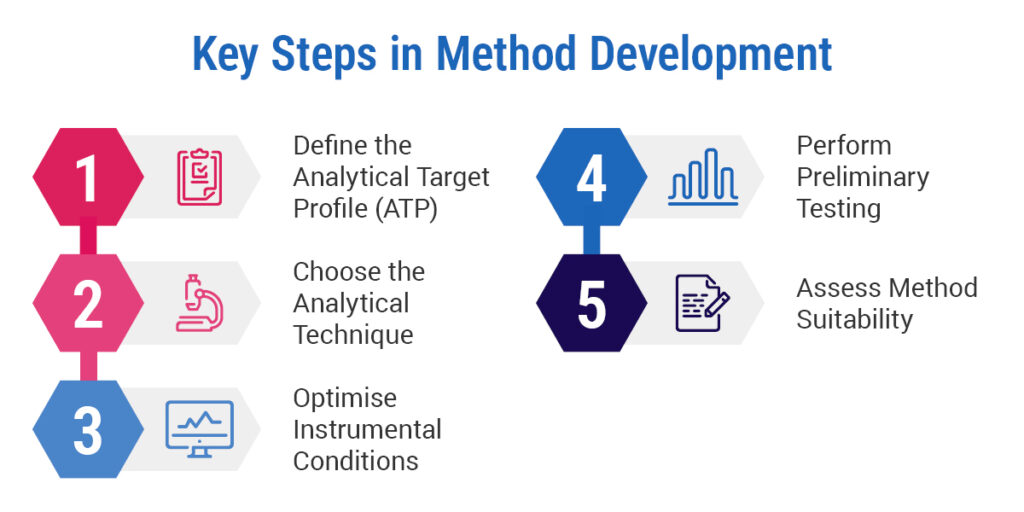
One of the most persistent challenges in the pharmaceutical workflow is the transition from a concept to a robust, validated method. It is a common misconception that high-end instrumentation automatically guarantees ease of use. In reality, pharmaceutical analysts often struggle with the “blank space” between unboxing an instrument and running their first compliant sample.

Whether you are identifying trace impurities, performing stability testing, or conducting complex bioanalysis, the method development phase is often where projects stall. A method that works in a controlled environment can fail in a high-throughput production setting if it hasn’t been stress-tested for robustness. This leads to a reactive cycle of troubleshooting and re-validation, which drains resources and delays time-to-market.
Navigating a shifting regulatory landscape

Data integrity is the non-negotiable cornerstone of the pharmaceutical industry. Global research shows that 90% of pharmaceutical professionals agree that reliable instruments are the single most important factor for a successful workflow. This is because, in this sector, a failure in reliability is a failure in compliance.

The pressure to process more samples while maintaining absolute adherence to 21 CFR Part 11 and EudraLex Annex 11 is immense. Without a partner who understands the nuances of IQ/OQ (Installation and Operational Qualification) and ongoing maintenance, labs risk falling into the “efficiency gap.” This is where sophisticated instruments sit underutilised because the method is too temperamental or the staff lack the specific training required to navigate the software’s compliance features.

Mastery of complex matrices with Agilent LC/MS

For laboratories tackling the most demanding pharmaceutical applications – such as nitrosamine analysis or impurity profiling– Agilent’s LC/MS solutions are globally recognised as the definitive standard. These systems provide the sensitivity and specificity required to detect analytes at levels that were previously unimaginable.

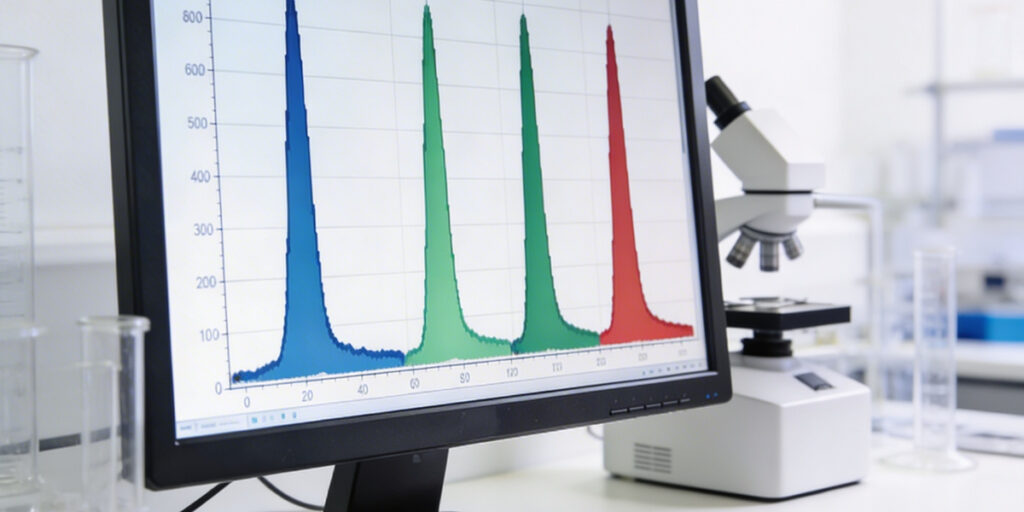
However, the “Chemetrix Edge” lies in how we support this technology. We recognise that method development for LC/MS is a specialised skill. Our support department acts as an extension of your own team, providing on-site assistance to help you develop, optimise, and troubleshoot your pharmaceutical methods. By leveraging our local application expertise, you can reduce the time spent in method development and ensure that your LC/MS system is performing at its peak from day one.
Driving throughput with the Agilent 1290 Infinity III LC

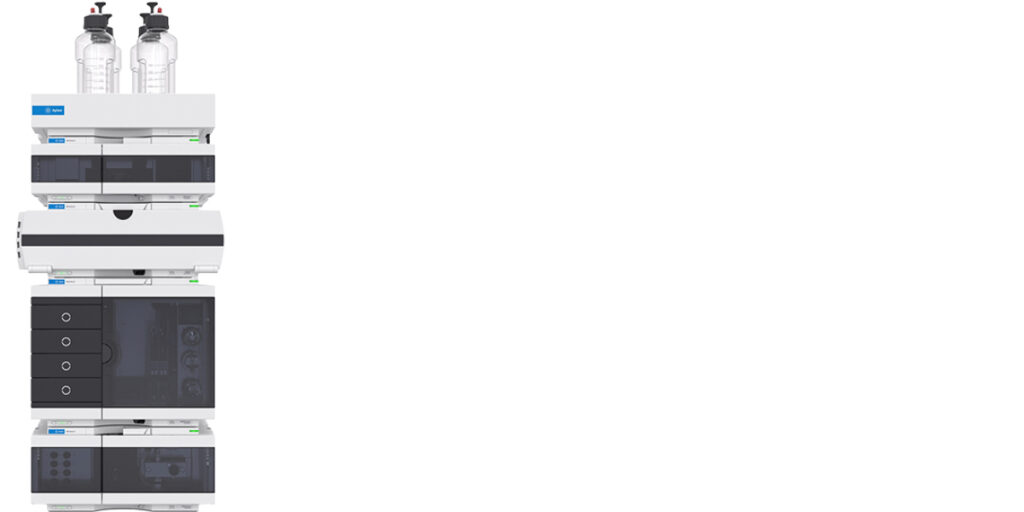
The workhorse of any modern pharmaceutical lab is the Liquid Chromatograph, and the Agilent 1290 Infinity III LC is engineered specifically for high-throughput environments. It is designed to handle the everyday pressures of pharmaceutical analysis with ultra-low carryover and exceptional pressure stability.

Chemetrix supports this hardware through a comprehensive service programme that goes beyond simple repairs. We offer tailored preventive maintenance and rapid-response technical support to ensure your 1290 Infinity III stays in a qualified state. By integrating our service expertise with this robust hardware, we help labs eliminate the “time traps” of manual intervention. Our goal is to ensure your staff spend less time worrying about baseline
drift and more time focusing on high-value data interpretation.
Agilent 1290 Infinity III LC

The reward of proactive support

The transition from a reactive laboratory to a proactive one is transformative. When you partner with a specialist who understands pharmaceutical applications, the results are measured in more than just uptime. You gain the peace of mind that comes from knowing your methods are robust, your instruments are qualified, and your data is defensible.

Our most successful pharmaceutical partners are those who have moved away from viewing instrumentation as a commodity and have embraced it as a collaborative workflow. This partnership leads to faster validation cycles, fewer “Out of Specification” (OOS) investigations, and a laboratory team that is empowered by their technology rather than frustrated by it.


Take the next step in laboratory excellence

The road to an optimised pharmaceutical workflow doesn’t have to be a solitary one. Whether you are looking to expand your LC/MS capabilities or need to refine the efficiency of your current chromatography setup, the expertise you need is available locally.

Your Action Plan:

Identify your most temperamental method – the one that requires the most manual intervention or frequent re-runs. Contact a Chemetrix specialist today for a workflow audit. Let’s work together to resolve your method development challenges and ensure your lab is equipped for the future of pharmaceutical discovery.

Addressing Data Integrity Gaps: Does Your Lab Have a Strategy?

Data integrity is paramount in today’s digital world. Data Integrity Insights helps your lab stand up to any regulatory examination by informing you about the latest global enforcement trends and the strategies you can use to stay compliant. Presenting uncompromised results and maintaining compliance with the latest regulations and standards, including those issued by the pharmaceutical, environmental and food regulatory bodies, is a necessity.

The traditional approaches to laboratory data integrity are insufficient to meet today’s increased scrutiny of computerised systems and the terabytes of data they produce. To successfully present your results, you must be prepared to prove that your data have not been compromised—and that can be a challenge.

Does your lab have a data integrity strategy? Are data integrity gaps putting your company at risk?

Learn how to perform data process mapping on a chromatographic process from the set-up of analysis through calculating the reportable result. From this map, the data integrity gaps can be identified, and the risk assessed to determine how critical the gaps are so that a plan and strategy to remediate or remove the risks can be implemented.


What you will learn

  • Understand the scope of a data integrity program
  • How to perform data process mapping on a chromatographic process to identify data integrity gaps, assess the risk posed by those gaps, and determine how to remediate or solve them.
  • Understand options for short-term remediation and long-term solutions


Who should attend

Analytical chemists, technicians, laboratory managers, regulatory affairs personnel and others working in R&D and QA/QC in the pharmaceutical industry.


Bob McDowall
Director, RD McDowall
Limited, Bromley,
Kent, UK

Register and watch on demand >


Join us at analytica Lab Africa 2023

analytica Lab Africa is the premier trade fair for the analysis, laboratory-technology and biotechnology sectors, bringing together scientists, entrepreneurs and users from around the world. Welcome to the perfect platform for your international business relations.

Chemetrix will be taking part in this prestigious event to showcase some of our latest instruments, innovations and partnerships.


Why you should visit

The international trade fair analytica Lab Africa focuses on innovative and applied product and system solutions for laboratories in the industrial, research and science sectors. As the industry’s regional forum for Southern Africa, analytica Lab Africa combines global and local market leaders and innovations with country specific main themes, precisely tailored to the market.


A global network

analytica gives you access to the world’s largest network of trade fairs for laboratory technology, analysis and biotechnology. Open the door to global success for your company. Present your products and solutions to the markets of the future.Germany, China, India, South Africa and Vietnam.


Exciting innovations

Get new and deeper insights into the Agilent product and solution portfolio with Agilent InterAct! Experience your favourite Agilent system in a virtual 3D environment. Visit our stand at the event for the exclusive launch of an immersive experience like never before.


Event details

Gallagher Convention Centre is one of Africa’s largest conference and exhibition venues. Located in Midrand, between Pretoria and Johannesburg, Gallagher is conveniently positioned in the business hub of Gauteng.


Show Dates

5-7 July, 2023

Venue

Gallagher Convention Center, Johannesburg, South Africa

Opening Hours

Wednesday, 5th July, 0900 hrs – 1700 hrs

Thursday, 6th July, 0900 hrs – 1700 hrs

Friday, 7th July, 0900 hrs – 1600 hrs


Register to attend the event >


We look forward to connecting with you an analytical Lab Africa 2023


Food and Cannabis Elemental Analysis Part 2: Elemental Sample Prep for the Food and Agriculture Lab – Optimizing Your System for High Matrix Samples

Trace elemental analysis of foods and cannabis products is essential to ensure that products are suitable for consumption. The analysis of minerals and additional trace elements is also important because it provides labelling information that is required when these products are used as nutritional.

Agilent has presented a webinar series that focuses on elemental sample preparation to optimise high matrix samples in the food and agriculture testing space.


Part 1

We will cover the entire Agilent elemental portfolio. Each of the different instruments’ strengths and how they meet the challenges that food and cannabis labs have.


Part 2

We will focus on preparing your samples, including microwave digestion. We will also cover how to optimize your system for high matrix samples and a diverse sample set.


Part 3

We will put it all together, with running samples live in the lab. We will also share additional tips and tricks for obtaining excellent analytical results in these difficult matrices.

This focused information on spectroscopy applications is valuable for the emerging cannabis market as well as analysts who are seeking to master skills for food testing.


Speakers

Jenny Nelson, PhD
Application Scientist
Agilent Technologies, Inc.

Jenny Nelson received her Ph.D. in Analytical Chemistry from the University of Cincinnati in 2007, and her MBA from Saint Mary’s College of California in 2011. Currently, Jenny is an Application Scientist for the Life Science and Chemical Analysis team at Agilent Technologies, joining in 2012 (with a step away in 2019). Jenny is also an Adjunct Professor in the Department of Viticulture and Enology at the University of California, Davis, since 2013. Jenny has been very active with AOAC and ASTM over the past eight years, serving on expert review panels, chairing committees, and volunteering to develop new methods needed by the industry. Jenny has extensive experience in operating and method development for Inductively Coupled Plasma Mass Spectroscopy (ICP-MS), Inductively Coupled Plasma Optical Emission Spectroscopy (ICP-OES), Microwave Plasma Atomic Emission Spectroscopy (MP-AES). Jenny has broad knowledge and experience in different speciation analysis for many sample matrices using GC-ICPMS and LC-ICPMS. As well as vast experience with sp-ICP-MS for many applications.


Greg Gilleland
Application Scientist
Agilent Technologies, Inc.

Greg began his spectroscopy career in 1987 in Colorado, working at a series of environmental labs. After 14 years working in the world of commercial environmental labs, he moved on to a spectroscopy instrument manufacturer where he performed service and sales functions over the course of 11 years. He has been with Agilent Technologies, Inc., since 2012 in the role of Application Scientist for ICP-OES, MP-AES and AA products.


Mark Kelinske
Application Scientist
Agilent Technologies, Inc.

Mark Kelinske is an Applications Chemist with Agilent Technologies, specializing in advanced ICP-MS and ICP-MS/MS techniques. He received his undergraduate and graduate degrees from Texas A&M University in College Station, TX. Prior to Agilent, Mark was a senior research scientist and research group manager with Southern Research Institute in Birmingham, AL, where he focused on low-level analytical chemistry, method development, and research program management.


Chris Conklin
Atomic Spectroscopy Product Specialist
Agilent Technologies, Inc.

With a degree from the University of Wisconsin – Eau Claire, Chris worked in, and lead, a quality control lab testing fine chemicals ranging from reagent grade to high purity. Over the course of 12 years in that role, Chris has run a variety of atomic elemental instruments and techniques including AA, ICP-OES, and ICP-MS. As a result, he has seen most of the periodic table in its elemental form and overcome the associated interferences. In 2018, Chris brought that knowledge and experience to his current role with Agilent as the Product Specialist for Atomic Spectroscopy supporting AA, MP-AES, and ICP-OES for the Eastern US.


Register and watch on demand >


Fingerprinting Honey to Ensure Purity

How pure is that honey in your jar?

Although there’s a rising demand for honey, the honey bee population is also under threat. Another not-so-sweet issue is the number of products labelled as honey on retail shelves that don’t meet the criteria to be classified as pure honey.

The term “adulterated honey” means any honey to which has been added honeydew, glucose, dextrose, molasses, sugar, sugar syrup, inverted sugar, or any other similar product or products other than the nectar of floral exudations of plants gathered and stored in the comb by honey bees.

Food fraud is a significant concern for consumers and producers, with research indicating that fraud accounts for up to 25% of all globally reported food safety incidents. The growing demand for food authenticity means consumers regularly pay a premium for organic and sustainably produced goods like honey. Fraudsters have been flooding markets with adulterated, low-quality, or mislabeled foodstuffs, damaging the livelihoods of legitimate businesses and potentially risking consumer health.


Increasing demand

Consumers have become quite specific in their demand for honey, focusing on unifloral honey or monofloral honey obtained predominantly from bees that feed on a single species of plant flowers. This results in a unique colour, flavour, and fragrance exclusive to each type of unifloral honey. As consumers are willing to pay more for these products, protections must ensure that they purchase what they expect.

According to data from the Food and Agriculture Organization of the United Nations, China, Mexico, Russia, Turkey, and the United States are among the major honey-producing countries accounting for approximately 55 per cent of world production. The most common form of adulteration involves extending or diluting honey with other less expensive sweeteners. Commonly identified extenders are corn, cane, and beet syrups.


Testing for authenticity to mitigate honey fraud

Global e-commerce is placing honey sales outside regulatory oversight more frequently—a trend expected to continue. This, combined with increased fraudulent activities, makes tackling the problem critical. This is why it is important to identify these substances quickly, efficiently, and consistently. The food industry requires analytical instruments and testing techniques to consistently and rapidly analyze food and identify trace chemicals.

Analytical testing is essential for assessing food authenticity, which is important to protect consumers’ health, the brand, and producers’ income. Testing is a necessary part of an overall strategy to mitigate fraud risk, and methods for authenticity testing are rapidly evolving, with innovative technologies now available for developing robust food testing techniques.


Agilent 1290 Infinity II LC System

For example, it has been demonstrated in recent years that coupling high-performance liquid chromatography with quadrupole time-of-flight (LC/Q-TOF), such as the Agilent 1290 Infinity II LC System with Agilent 6545 LC/Q-TOF, provides a sensitive method to reveal the chemical composition of honey samples. Using this method with a non-targeted approach enables the identification of new types and sources of fraud through the chemical markers in the honey, highlighting which kind of fraudulent activity is occurring. Since this technique evaluates multiple markers in honey to determine authenticity, it is very difficult for fraudsters to cheat by adding one or a few adulterants. This innovative technique is called honey fingerprinting.


Agilent 6545 LC/Q-TOF


Determining honey’s unique chemical composition

Honey fingerprinting is the practice of using a suitable technique to record as much information as possible on the chemical composition of a particular honey sample. In the same way, a human fingerprint is unique to individuals, this fingerprinting method unlocks and records the unique molecular composition of authentic honey samples. This enables the mapping of food components in an unprecedented fashion that will revolutionize how honey is regulated for quality, safety, and authenticity.

Utilizing a non-targeted workflow begins with identifying other compounds, including pesticides, molecules that indicate freshness, like a compound called HMF (which suggests thermal processing or age if present in high numbers), and phenolic compounds, which are related to the floral origin of honey. The advantage of using LC/Q-TOF for this technique is its efficiency: higher molecular/trace information levels can be obtained from just one sample in less time versus targeted methods focusing on just a few parameters.


Standardising honey fingerprinting methods

Although previous work has been done developing case studies for fingerprinting foodstuffs, including honey, the approaches among laboratories have been different regarding sample preparation and instrumental condition. There are also differences in terms of data processing and analysis. As a result, two laboratories analyzing the same sample may obtain slightly different results. Ideally, developing a standardized fingerprinting method that could be used across all LC/MS-based workflows, enabling the same testing technique to be used across multiple laboratories, would be optimal and where future work is aimed.

When addressing the issues of food safety, product quality, and authenticity, each may be governed by separate sets of regulations. For example, looking at the residues of contaminants in honey, such as pesticides, there may be differences globally. Countries may have their own restrictions for the maximum limit for specific compounds. Contaminants are a part of the picture when considering fingerprinting for honey, but permitted levels may vary between countries.

Additionally, as samples come from the field to the lab for testing, there is potential interest in reversing this and bringing the lab out into the field instead. This interesting but not yet recognised capability would enable regulators and the global food industry to respond more quickly to honey contamination and food fraud.


Taking a global approach to ensure honey purity

As the food supply chain becomes increasingly globalized, raising the opportunity for food fraud, experts predict that testing, such as those described above, will become more accessible, increasingly automated, and easier to perform. Fingerprinting methods—in which the entire molecular profile of food can be obtained—will be a feature of future fraud prevention and identification systems.

A positive step forward is the focus on building a library of authentic honey samples and making it an accessible, open database so that honey fingerprinting information is available across multiple stakeholders in the global supply chain. With increased knowledge, more scientists will be able to adopt techniques such as LC/Q-TOF and could also use this testing for other types of food—for example, maple syrup.

The ultimate goal is for food testing laboratories to confidently measure contaminants that threaten the global food chain and tackle food fraud head-on to ensure that consumers can access authentic and safe honey.

(This article has been modified from its original appearance on the Agilent website)

Raw Material Identification Through All Kinds of Package Materials

In this webinar we will focus on raw material identification and will give a detailed comparison about the different spectroscopic techniques FTIR, NIR and Raman as well as an a new special Raman way called “SORS” to measure though opaque containers.

Jan Wülfken
Product Specialist – Molecular Spectroscopy
Agilent Technologies

Dr. Wuelfken has worked for many years as Product Specialist for Agilent Technolgies in many region of the world, supporting Molecular ( Raman FTIR, Fluorescence nad UV-Vis/NIR) Spectroscopy business.


Register and watch on demand >


Analysis of Biopharmaceuticals: A Deeper Dive into Bioseparations

Ensuring the safety and efficacy of biotherapeutics from research to development, and then from manufacturing to quality control is essential to bring a product to market. Large molecules pose unique challenges for biotherapeutic analyses in that they often require running a panel of tests to ensure product efficacy and safety.

Industry efforts have evolved towards comprehensive analytical workflows that enable researchers to monitor critical quality attributes (CQAs) of highly complex and diverse biotherapeutic molecules.

Part 2: A Deeper Dive into Bioseparations

In the second session of this series we will discuss the range of bioseparation approaches used for characterization of CQAs in more detail. This includes solutions available for native (Size Exclusion, Ion Exchange, HIC) and reduced state (RP, HILIC) bioseparations for analysis of mAbs and other biotherapeutics.


Donna Potts
Biopharma Market Specialist EMEA IDO
Agilent Technologies

Donna is a Biopharma Market Specialist for Agilent Technologies; over the last decade she has been responsible for business development for Agilent analytical solutions in the Biopharma market space. Donna has worked extensively with biomolecules during her career, with a strong emphasis on Life Science and Biopharma applications using LC-MS.

After completing Postdoctoral Research at Boston University School of Medicine, she worked as an application specialist before becoming a Market Specialist in 2013. Donna holds a PhD in Analytical Chemistry from The University of Manchester, UK, where her studies focused on protein quantitation using mass spectrometry.


Cecilia Mazza
Product Specialist, EMEA IDO – Chemistries & Suppliers
Agilent Technologies

With more than 20 years of professional experience, Cecilia is presently the Product Specialist for columns and supplies at Agilent. Supporting distributors and laboratory users in the analysis and purification of small and large molecules, for a wide range of LC and GC applications as well as sample preparation.

Cecilia holds a Ph.D. in Chemical Engineering from Rensselaer Polytechnic Institute in US.


Register and watch on demand >


Analysis of Biopharmaceuticals: Introduction to Workflows

Ensuring the safety and efficacy of biotherapeutics from research to development, and then from manufacturing to quality control is essential to bring a product to market. Large molecules pose unique challenges for biotherapeutic analyses in that they often require running a panel of tests to ensure product efficacy and safety.

Industry efforts have evolved towards comprehensive analytical workflows that enable researchers to monitor critical quality attributes (CQAs) of highly complex and diverse biotherapeutic molecules.

Part 1: Introduction to Workflows

This presentation will provide an insight into the basics of the biopharma industry and introduce how analytical tools can be utilised as part of comprehensive workflows for characterisation of CQAs.


Donna Potts
Biopharma Market Specialist EMEA IDO
Agilent Technologies

Donna is a Biopharma Market Specialist for Agilent Technologies; over the last decade she has been responsible for business development for Agilent analytical solutions in the Biopharma market space. Donna has worked extensively with biomolecules during her career, with a strong emphasis on Life Science and Biopharma applications using LC-MS.

After completing Postdoctoral Research at Boston University School of Medicine, she worked as an application specialist before becoming a Market Specialist in 2013. Donna holds a PhD in Analytical Chemistry from The University of Manchester, UK, where her studies focused on protein quantitation using mass spectrometry.


Cecilia Mazza
Product Specialist, EMEA IDO – Chemistries & Suppliers
Agilent Technologies

With more than 20 years of professional experience, Cecilia is presently the Product Specialist for columns and supplies at Agilent. Supporting distributors and laboratory users in the analysis and purification of small and large molecules, for a wide range of LC and GC applications as well as sample preparation.

Cecilia holds a Ph.D. in Chemical Engineering from Rensselaer Polytechnic Institute in US.


Register and watch on demand >


ICH Q3D Guideline: Elemental Impurities Analysis in Pharmaceutical Products

In the first half of this webinar, we will introduce the ICH/USP regulation and how to measure elemental impurities with the Agilent ICP-OES and/or ICP-MS instruments.

The second part of the webinar will focus on the Agilent software compliance solutions where you will see our options for data integrity as well as software features that simplify validating methods according to ICH/USP.


Uwe Noetzel
EMEAI Technical Coverage and Solutions
Agilent Technologies

Uwe joined Agilent as a GC/LC MS specialist in 1989. Since 1994 he is involved in ICP-MS as a Product Specialist. In 2001 he became part of the Agilent International Distributor Organization (IDO). Today his responsibility is the full Agilent Atomic Spectroscopy Portfolio in IDO


Andrew Brotherhood
Atomic Spectroscopy Application Engineer
Agilent Technologies

Andrew has over 15 years’ hands-on experience with ICP-MS, ICP-OES and Ion Chromatography instrumentation. He has mainly worked in the pharmaceutical analysis industry gaining significant experience with developing and validating methods to pharma regulations. Andrew started working for Agilent as a full time employee in January 2018 working as an Atomic Spectroscopy Application Engineer based at the Agilent Centre of Excellence in the UK.


Register and watch on demand >


Analytical Strategies for USP Residual Solvents Analysis

In this presentation, we will present the relevant GC/FID and GC/FID/MS based analytical strategies to confidently detect and quantify Class 1, 2, and 3 as well as unknown solvents in drug products. Learn how taking advantage of dual channel configuration and Agilent’s Smart, Connected, and Self-Aware systems can help you successfully meet your requirements for residual solvent analysis and ensure your testing is right first time and every time.


What will you learn

  • Understand what residual solvent impurities are and why it’s important to characterise and quantify them, even when present in trace amounts
  • Understand the current regulatory guidelines for residual solvent analysis in drug substance and product
  • Learn about the approaches for the confident identification and quantification of residual solvents


Who should attend this webinar

  • Laboratory managers
  • Chromatographers
  • Analytical chemists and scientists
  • New product developers
  • Pharma quality control managers


Ian Eisele
Applications Chemist,
Gas Phase Separation Division,
Agilent Technologies


Youjuan Zhang
Applications Chemist,
Gas Phase Separation Division,
Agilent Technologies


Register and watch on demand >