From Dust to Diamonds: How to Master Trace Metal Analysis in Modern Mining

In the high-stakes world of modern mining, the line between a profitable venture and a missed opportunity is thinner than ever. As high-grade ore deposits become harder to find, the industry is turning its attention to lower-grade materials and the vast potential of tailings reclamation. In this environment, the laboratory is no longer just a support service; it is the engine room of economic viability. When you are quantifying trace metals at ultra-low levels, even a microscopic speck of environmental dust can skew your data, potentially leading to false positives or masking the true value of a mineral deposit.


The mystery of the rising “Blanks”

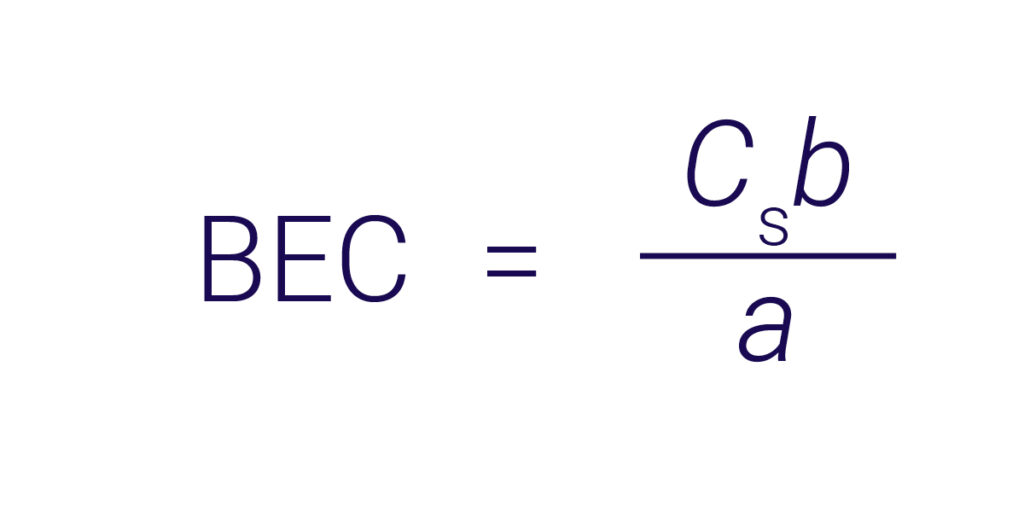
If you’ve ever sat in front of your workstation wondering why your Blank and Background Equivalent Concentration (BEC) values are stubbornly high, you aren’t alone. It is a common frustration for geochemical analysts: your instrument is calibrated, your reagents are fresh, yet the background noise refuses to quieten down. These elevated values aren’t just technical nuisances; they directly impair your Limit of Quantification (LOQ). In a world where a $0.1\text{ g/t}$ difference in a gold tailings project can determine financial success, “noisy” data is a risk you cannot afford to take.


Understanding the noise: BEC and LOQ

To solve the problem, we first have to understand it. The BEC represents the total background signal of your analytical system – essentially the “noise” the instrument sees when no sample is present. When this noise is high, your instrument struggles to distinguish a genuine analyte signal from the background. This directly pushes up your LOQ, making it impossible to accurately quantify the lower concentrations that modern mining exploration demands. The root cause of these high values? It usually comes down to one single, persistent word: CONTAMINATION.


Clean up your act with expert training and standards

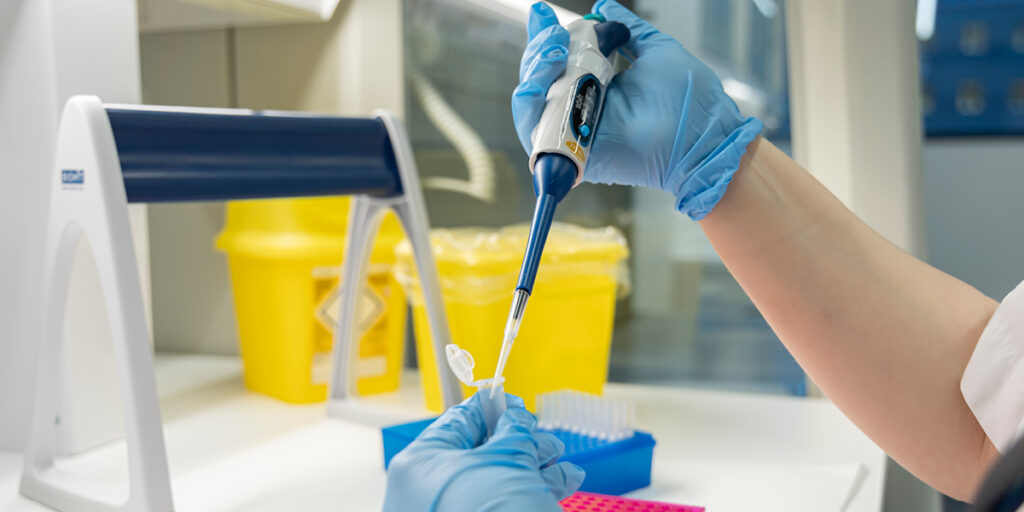
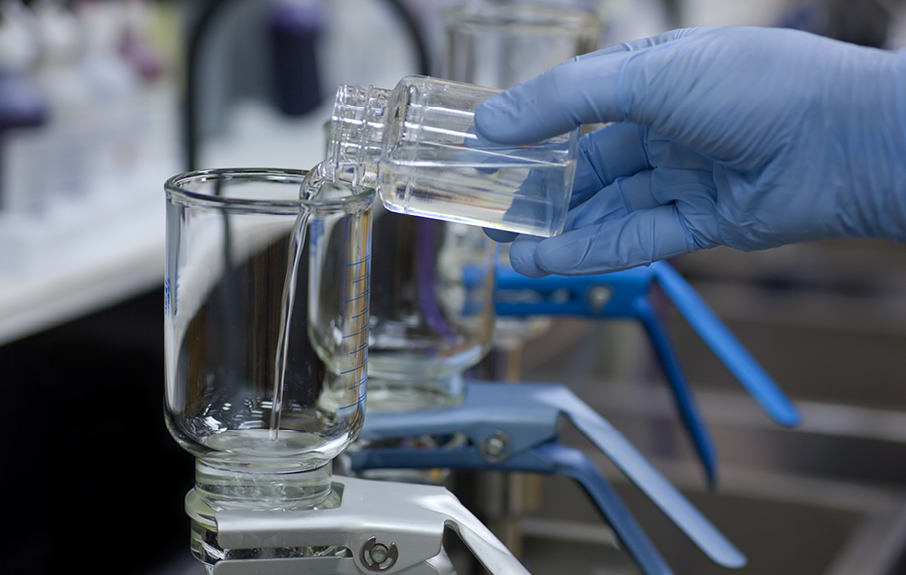
If your sample preparation isn’t meticulous, even the most advanced mass spectrometer will produce compromised results. Contamination is a silent thief that enters your workflow through water purity, reagent quality, and even the laboratory personnel themselves – common culprits include cosmetics, jewellery, and the powder in traditional gloves.


The Chemetrix Edge: We don’t just supply tools; we build expertise. Through the Chemetrix Lab Advisor, we provide your team with the specialised skills needed to identify and eliminate these “time traps”. By pairing this training with high-purity Inorganic Ventures Certified Reference Materials (CRMs), you ensure your calibration is built on a foundation of absolute purity.


Practical advice:

  • Stop the “Double-dip”: Never pipette directly from the stock bottle; transfer your working volumes into clean, secondary containers like pre-rinsed LDPE bottles.
  • Go gravimetric: Switch to weight-based (gravimetric) preparation. Mass doesn’t change with temperature, whereas volume does, leading to more reproducible and auditable results.


Technology that does the heavy lifting

While a clean bench is vital, the right hardware can act as your final line of defence against complex mineral matrices. Mining ores are notorious for their high levels of dissolved solids, which traditionally require extensive manual dilution – a process that introduces even more opportunities for human error and contamination.


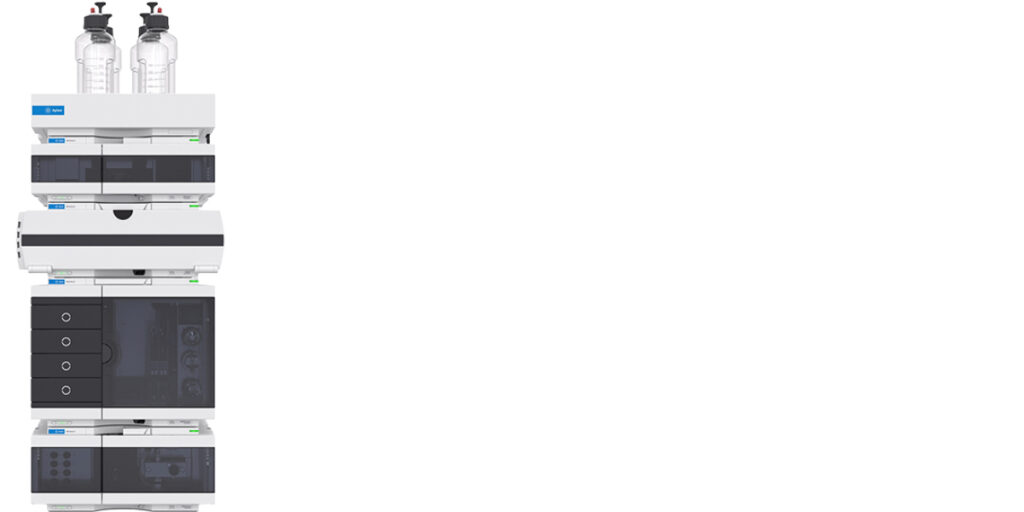
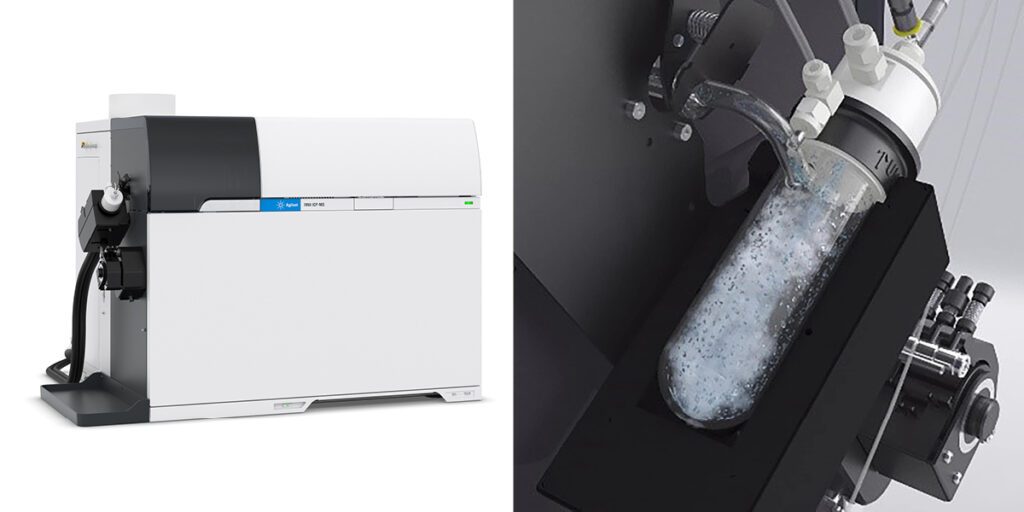
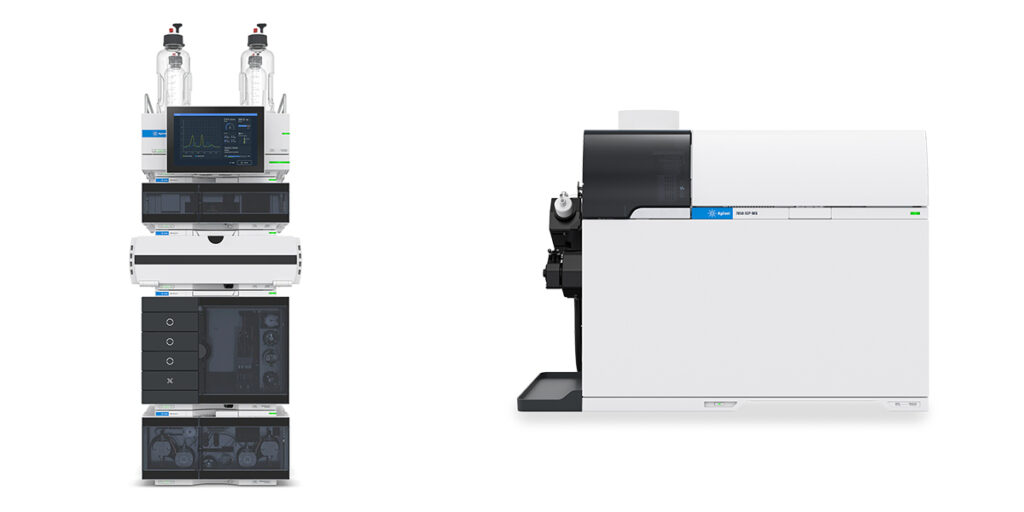
The Chemetrix Edge: We recommend the Agilent 7850 / 7900 / 8900 ICP-MS series as the physical solution to these high-matrix challenges. These instruments are equipped with Ultra High Matrix Introduction (UHMI) technology, which uses clean Argon gas to “dilute” your sample aerosol before it even reaches the plasma.


Practical advice:

By using the Agilent 7850’s UHMI system, your lab can directly analyse samples containing up to $25\%$ total dissolved solids without manual liquid dilution. This not only saves hours of labour but practically eliminates the risk of dilution errors and reagent-born contamination.


From waste to wealth: The reward of precision

The ultimate goal of refining your workflow is simple: lower LOQs and higher confidence. When you master your contamination control, you unlock the ability to see value where others see waste. Successful tailings reclamation depends on this precision. By accurately monitoring recovery at trace levels, mining operations can turn legacy liabilities into profitable resources, contributing to a more sustainable and circular mining economy.


Take the next step towards cleaner data

Ready to lower your detection limits and boost your lab’s productivity? It starts with a partnership that understands your specific challenges.

Review your prep: Identify one source of potential contamination today (check those gloves!)

Audit your standards: Ensure your CRMs are matrix-matched to your ores for better accuracy.

Connect with Chemetrix: Let our team of scientists help you tailor a solution that combines Agilent’s world-class technology with practical, on-the-ground support.

Let’s advance science together. Contact Chemetrix today to explore how we can elevate your laboratory’s performance.

Are Your Drug Tests Predicting Clinical Reality?

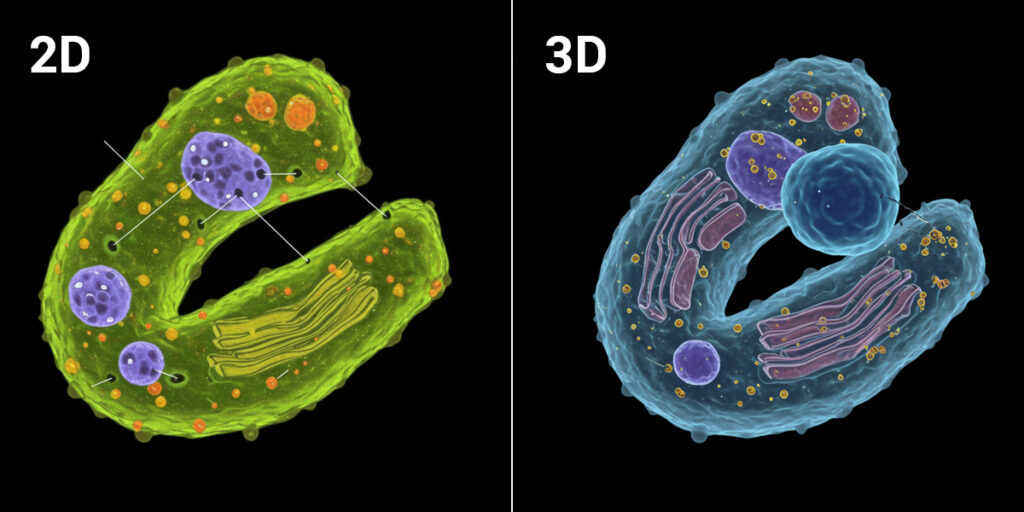
A promising drug candidate passes every 2D cell culture test. The data looks perfect. Then it fails in clinical trials because it behaves completely differently in actual human tissue. This scenario plays out in pharmaceutical labs every day. The problem isn’t the science or the scientists. It’s the fundamental limitation of using 2D cell models to determine drug efficacy and toxicity when those models don’t adequately address the complexity of real world 3D tissues.

Ex vivo models and 3D samples like tumouroids and clinical biopsies are more biologically relevant than traditional 2D cell assays. But moving beyond traditional cell models requires tools designed specifically for cellular phenotyping of ex vivo samples.

When 2D models stop being enough

Every drug discovery researcher knows the frustration. Your 2D cell assay is optimised. The results are reproducible. But then the compound behaves differently in more complex models or clinical settings.

The quiet truth heard across pharmaceutical labs: using 2D cell models to determine drug efficacy and toxicity does not adequately address the complexity of real world 3D tissues. Cells growing in a monolayer on plastic experience conditions that simply don’t exist in actual organs or tumours. When researchers try to move beyond 2D cultures, they face a critical challenge: lack of tools for cellular phenotyping of ex vivo samples. Clinical biopsies are precious material that can’t be wasted on methods not designed for them. Tumouroids and organoids have thickness and complexity that traditional tools struggle to analyse. The very characteristics that make these models valuable also make them harder to work with.

The result? Many labs continue using 2D assays not because they provide better data, but because the alternatives seem too difficult. Experiments stall. Toxicity data remains unclear. The gap between laboratory findings and clinical outcomes persists.This isn’t a problem researchers can solve through better technique alone. It requires instrumentation designed for the realities of three-dimensional biology.

Why 3D samples provide more useful data

Biologically relevant 3D cell models provide more useful data than traditional 2D cultures. But why does dimension matter so much?

Ex vivo models help researchers gain insight into a drug’s mechanism of action and safety within a more physiologically relevant context than cell cultures. When you test a drug on cells growing flat on plastic, you’re studying biology that doesn’t exist in patients. When you test the same drug in ex vivo samples like clinical biopsies or tumouroids, you’re studying biology that actually resembles the tissue the drug will encounter.

3D samples like tumouroids and ex vivo clinical biopsies are more biologically relevant than traditional 2D cell assays because they retain structural complexity, cell-to-cell interactions and tissue architecture that influence how drugs actually work. A compound that appears effective in a monolayer might fail to penetrate a 3D structure. A drug that seems safe in 2D might trigger unexpected responses when cells interact in three dimensions.This isn’t just about making experiments more complicated. It’s about making data more predictive. The goal of drug development is to understand how compounds will behave in patients. Ex vivo systems move researchers closer to that reality. The challenge has been measuring these complex samples reliably. That’s where tool selection becomes critical.

Making ex vivo workflows work

Ex vivo workflows can actually improve efficiency when paired with the right tools, even though they appear more complex at first glance. The key is choosing instruments designed specifically for the samples you’re studying rather than trying to adapt tools built for 2D cultures. When you lack tools for cellular phenotyping of ex vivo samples, every experiment becomes trial and error. You spend time troubleshooting methods that were never designed for thick, irregular, three-dimensional samples. You waste precious clinical material on approaches that can’t capture the biology you need to see.

The right tools eliminate this friction. Instruments designed for ex vivo analysis accommodate sample complexity from the start. They’re built to handle the thickness, irregularity and physiological relevance that make 3D models valuable. This reduces the experimental iterations needed to generate meaningful data. Efficiency isn’t about shortcuts. It’s about matching tool capabilities to sample reality so researchers spend less time fighting their instruments and more time understanding biology.

Metabolic analysis in physiologically relevant context

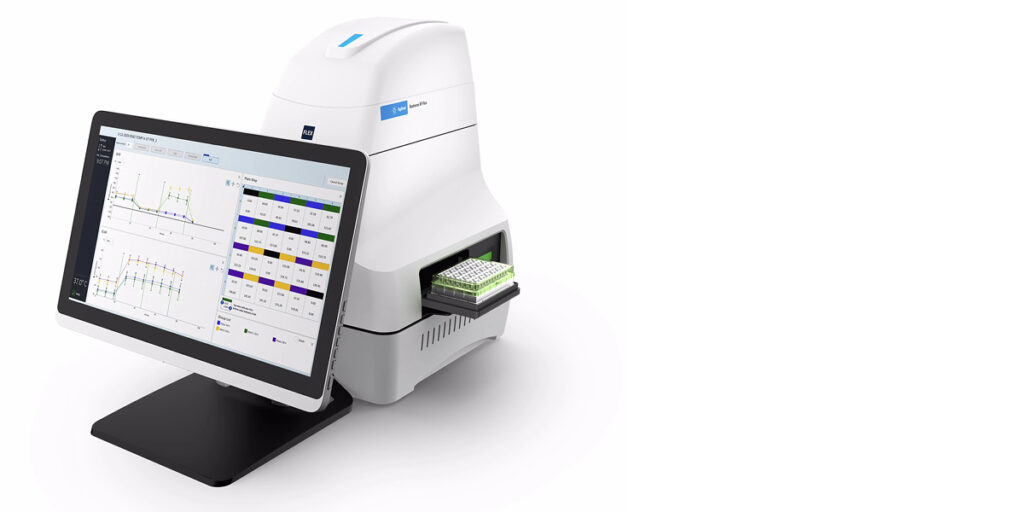
Analysing drug efficacy and toxicity in ex vivo samples requires understanding how drugs affect cellular function in samples that retain three-dimensional structure. Traditional methods often require destroying the very architecture that makes ex vivo models valuable. The Agilent Seahorse XF Flex Analyser is designed for the analysis of ex vivo samples so researchers can gain insight into a drug’s mechanism of action and safety within a more physiologically relevant context than cell cultures. The system works with clinical biopsies, tumouroids and organoids without requiring tissue dissociation.

This matters because ex vivo models help researchers gain insight into drug mechanism of action and safety within a more physiologically relevant context than 2D cell cultures. By analysing intact tissue samples, researchers can assess how drugs affect cellular metabolism in conditions that actually resemble patient biology. The Seahorse XF Flex addresses the lack of tools for cellular phenotyping of ex vivo samples by providing metabolic profiling capabilities specifically designed for these challenging sample types.

24-well metabolic analyzer, Seahorse XF Flex Analyzer | Agilent

Practical applications:

Imaging deeper into 3D biology

Understanding cellular responses in ex vivo samples requires seeing into thick, complex structures. Traditional imaging approaches struggle with samples that extend beyond a few cell layers, forcing researchers to either section valuable material or accept surface-level data that misses critical biology.

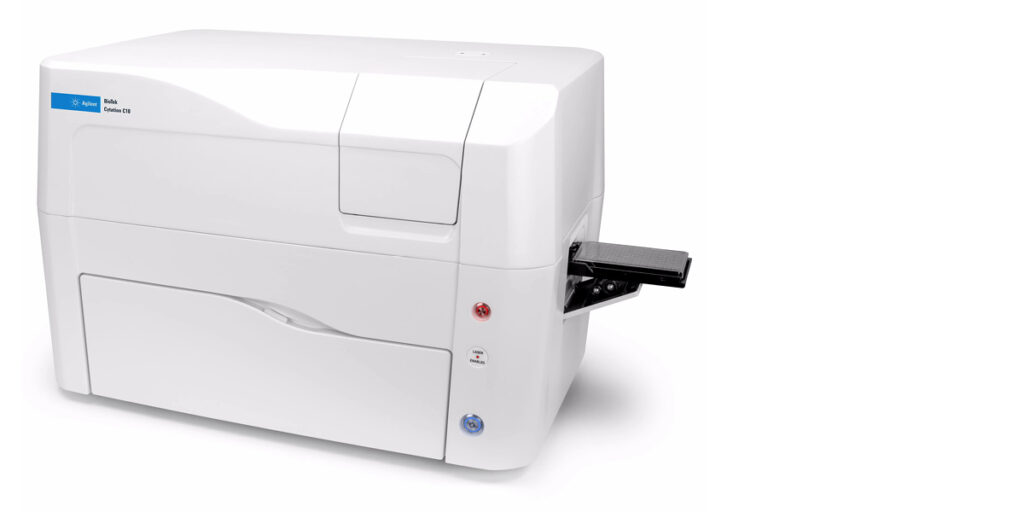
The Agilent BioTek Cytation C10 Confocal Imaging Reader allows researchers to look deeper into thick sample biology with improved clarity and detail. The confocal imaging system addresses the lack of tools for cellular phenotyping of ex vivo samples by providing the depth resolution needed for three-dimensional structures.

This capability matters for drug development because biologically relevant 3D cell models provide more useful data when you can actually see what’s happening throughout the structure, not just on the surface. Cell migration, invasion and drug responses often vary by location within a tumouroid or tissue sample. Without appropriate imaging tools, researchers miss spatial information critical to understanding efficacy and toxicity.

The Cytation C10 enables cellular phenotyping of the ex vivo samples that provide physiologically relevant data for drug discovery.

Practical applications:

  • Image cell migration and invasion in 3D cancer models
  • Visualise drug distribution in thick tissue samples
  • Phenotype cellular responses throughout tumouroids and organoids
  • Analyse ex vivo clinical biopsies with depth resolution

Confocal High Content Imaging Microscope, BioTek Cytation C10 | Agilent

Science that respects biological reality

There’s a common mindset in drug discovery that researchers must accept the limitations of 2D models because ex vivo systems are too difficult. That working with clinical biopsies isn’t practical. That 3D cultures are too complex for routine use.

Chemetrix rejects this narrative.Researchers shouldn’t settle for models that don’t adequately address the complexity of real world 3D tissues. They shouldn’t compromise scientific rigour because tools weren’t designed for physiologically relevant samples. And they absolutely shouldn’t accept that predicting clinical outcomes requires choosing between feasibility and accuracy.

This is where partnership matters. Chemetrix doesn’t just supply instruments. We advocate for a scientific culture grounded in integrity, accuracy and respect for the complexity of living systems. When we say ex vivo models provide more useful data, we’re affirming that good science requires data that reflect real biology. The lack of tools for cellular phenotyping of ex vivo samples has been a barrier for too long. The Seahorse XF Flex and Cytation C10 aren’t just instruments. They’re commitments to removing barriers between researchers and the capabilities they need.

Chemetrix partners with researchers because they deserve solutions designed with biological reality in mind. Ex vivo systems that work reliably. Analysis that captures what matters. Support that helps labs implement physiologically relevant models confidently. This is how drug development advances: not through researchers heroically overcoming inadequate tools, but through systems that make biological relevance routine.

Better models, better medicines

Drug development doesn’t have to rely on models that don’t adequately address the complexity of real world 3D tissues. Biologically relevant 3D cell models provide more useful data. But only when you have tools designed for cellular phenotyping of ex vivo samples.

Ready to move beyond 2D limitations?

Discover how the Agilent Seahorse XF Flex enables analysis of clinical biopsies and 3D cultures. Explore how the Agilent BioTek Cytation C10 allows researchers to look deeper into thick sample biology with improved clarity and detail.

Contact Chemetrix to discuss how ex vivo workflows can improve the predictive value of your drug discovery research. Better models lead to better medicines. With the right partnership and the right tools, your lab can generate the clinically relevant data that truly matters.


✅ TL;DR – Key Takeaways

  • Using 2D cell models to determine drug efficacy and toxicity does not adequately address the complexity of real world 3D tissues
  • Ex vivo models help researchers gain insight into drug mechanism of action and safety within a more physiologically relevant context than cell cultures
  • 3D samples like tumouroids and ex vivo clinical biopsies are more biologically relevant than traditional 2D cell assays
  • The Seahorse XF Flex and Cytation C10 address the lack of tools for cellular phenotyping of ex vivo samples

How to Achieve 2-Minute Toxic Element Analysis with Integrated HPLC-ICP-MS

When regulatory limits for toxic elements in food keep getting stricter, labs face an uncomfortable reality: the methods they’ve relied on for years might not be fast enough or sensitive enough anymore. Analysis times stretching beyond 10 minutes per sample create bottlenecks. Coupling different instruments feels risky. And when your lab is responsible for detecting inorganic arsenic in baby food or cadmium in rice, there’s no room for error.

Here’s what most food testing labs don’t realise: the perceived complexity of coupling HPLC to ICP-MS is largely a myth. With the right hardware and software integration, what seems like a daunting technical challenge becomes a routine workflow that delivers results in under two minutes per sample.

The daily pressure of food safety testing

Walk into any food testing laboratory and you’ll hear the same concerns. Analysts are under pressure to process more samples with the same resources. Method development feels like reinventing the wheel for every new matrix. And when regulatory bodies lower action levels for toxic elements, labs scramble to validate new methods while maintaining daily sample throughput.

The real frustration? Many analysts believe that analysing inorganic arsenic, cadmium, lead and mercury requires complicated instrument coupling that only specialists can handle. They’ve heard that HPLC-ICP-MS is temperamental. They worry about stability over long sequences. They’re concerned that different vendors’ systems won’t communicate properly.These concerns create dangerous hesitation. Labs stick with older, slower methods because they’re familiar, even when those methods can’t meet new regulatory requirements. Sample backlogs grow. Turnaround times stretch.

The bottleneck isn’t the science. It’s the assumption that the solution has to be complicated.

Why toxic element speciation matters

Not all arsenic is created equal. Total arsenic measurements tell you how much is present, but they don’t tell you the critical part: is it toxic? Inorganic arsenic (the sum of arsenite As(III) and arsenate As(V)) is significantly more toxic than organic arsenic compounds like arsenobetaine found naturally in seafood. This is why regulations specify limits for inorganic arsenic rather than total arsenic. A rice cereal might contain arsenic, but if it’s all organic forms, the health risk is minimal. If it’s inorganic arsenic, even at low concentrations, it poses a developmental risk
to infants.

The same principle applies to other toxic elements. Cadmium accumulates in rice grown in contaminated soil. Lead and mercury, even at trace levels, affect neurological development in children. The US House of Representatives report in February 2021 found that many baby foods sold in supermarkets contained unacceptably high concentrations of these elements.

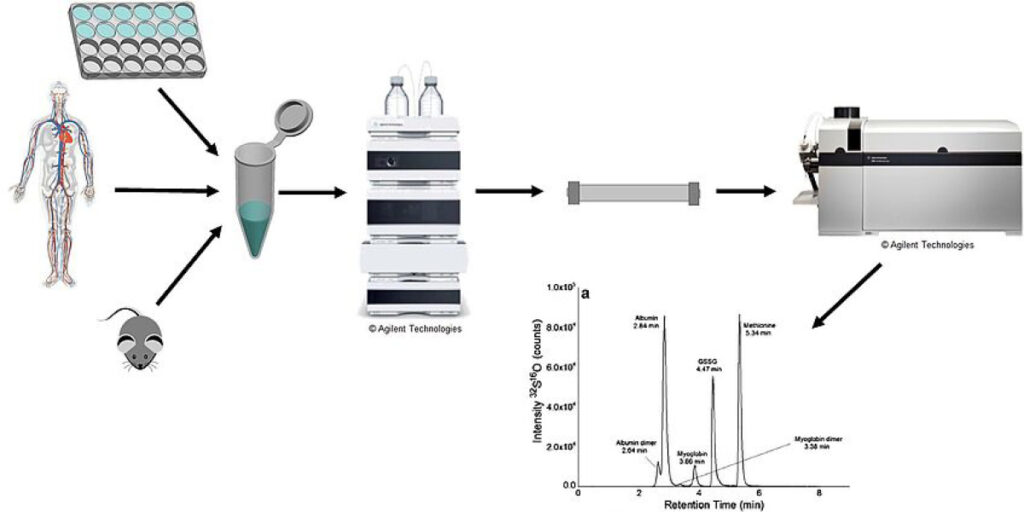
This is where speciation analysis becomes critical. HPLC separates different chemical forms of arsenic before ICP-MS detects them. By oxidising As(III) to As(V) during sample preparation, the analysis simplifies to measuring one peak representing total inorganic arsenic. The chromatographic separation happens in under two minutes, the ICP-MS provides sensitivity down to parts per billion and labs can confidently determine whether a food product meets regulatory limits.Food testing labs aren’t just generating data. They’re protecting the most vulnerable consumers: babies, infants and young children whose developing bodies are most susceptible to toxic element exposure.


Image credit: Institut für Analytische Chemie Universität Wien

The integration that changes everything

The breakthrough isn’t in the HPLC or the ICP-MS individually. Both instruments are well known in the industry for performance and robustness. The efficiency gain comes from how they work together. Agilent developed an optimised interface that physically couples the Agilent 1260 Inifinity III HPLC to both the 8900 ICP-QQQ and 7850 ICP-MS systems. But the real innovation is software integration. The entire coupled system is set up and operated from the ICP-MS MassHunter software. One interface. One method. Automated analysis.

Single software control means analysts don’t toggle between platforms or manually synchronise instrument parameters. Method development happens in one place.

Stable hardware coupling removes the guesswork from connecting instruments. The optimised interface ensures consistent sample transfer without leaks, dead volume or carryover issues.

Reduced setup time transforms HPLC-ICP-MS from a specialist technique into a routine capability. Labs new to speciation analysis can implement the method without extensive troubleshooting.

Fast 2-minute runs change the economics of compliance testing. When analysing inorganic arsenic requires 10+ minutes per sample using conventional columns, labs face real capacity constraints. At 2 minutes per sample, the same instrument processes five times the volume.

The 7850 ICP-MS adds practical features that matter for real-world food matrices. Ultra High Matrix Introduction (UHMI) handles samples with high dissolved solids without constant maintenance. The IntelliQuant function provides instant visibility into total matrix composition. And helium collision mode addresses spectral interferences without complex method optimisation.

Food safety compliance made routine

The US Baby Food Safety Act 2021 proposes maximum levels of 10-15 ppb inorganic arsenic depending on whether products are cereal-based. The FDA’s Closer to Zero plan phases in action levels for lead, arsenic, cadmium and mercury through 2024 and beyond. EU regulations specify limits for inorganic arsenic in rice between 0.1-0.3 mg/kg.

These aren’t aspirational targets. They’re enforceable limits that require labs to deliver accurate, defensible results.

The Agilent 1260 HPLC coupled to the Agilent 8900 ICP-QQQ provides the sensitivity and speed food testing labs need. The 8900 offers detection limits of 1.99 µg/kg for solid samples and 0.08 µg/L for liquid samples, well below regulatory action levels. The method complies with FDA Elemental Analysis Manual sections 4.7 and 4.11, as well as European standards EN16802:2016 and prEN17374:2019.

Real-world validation across baby foods, rice cereals, beverages and animal feed demonstrates recoveries between 82-111% with precision from 0.3-9.4% RSD.

📚 LEARN MORE: Application Note: Analysis of Inorganic Arsenic, Cadmium, Lead and Mercury in Baby Foods by ICP-MS (5994-3713EN)

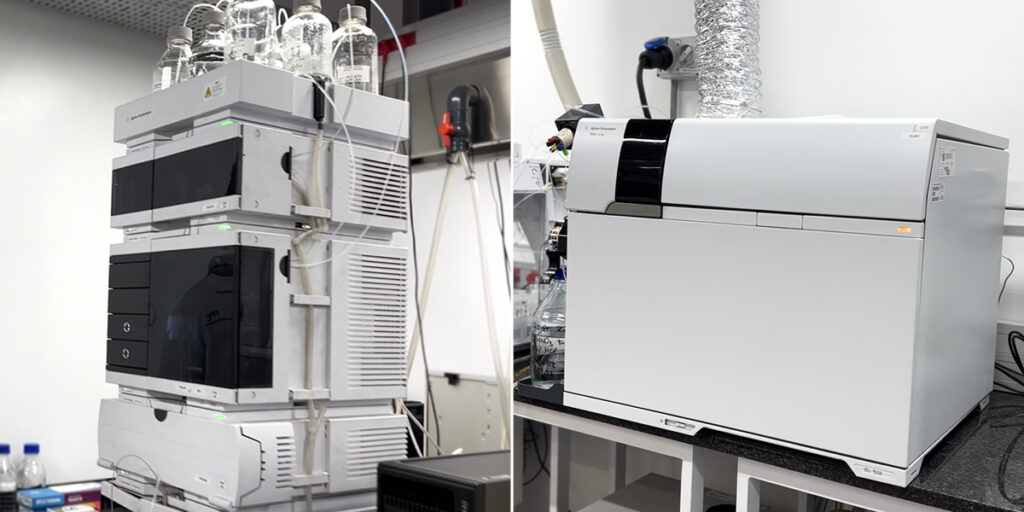
Agilent 1260 Infinity III LC System

Agilent 7850 ICP-MS

High-throughput screening for production environments

Food manufacturers testing ingredients before use or finished products before release face a different challenge. They need screening capability that keeps pace with production schedules. Samples can’t wait days for results. Backlogs mean inventory sitting in quarantine.

The Agilent 1260 HPLC coupled to the Agilent 7850 ICP-MS delivers the throughput production labs require. The 7850 combines proven hardware with software features that simplify workflow for analysts who may be new to ICP-MS or new to Agilent systems. The 7850’s 10 orders of magnitude linear dynamic range means major and trace analytes are measured in a single run. No over-range failures. No sample reruns. The system processes samples with per cent-level total dissolved solids thanks to UHMI technology as standard.

For inorganic arsenic screening in rice cereals, the fast HPLC-ICP-MS method reduces analysis time from over 10 minutes to under 2 minutes. The short anion exchange column, optimised mobile phase and small injection volumes maintain baseline separation of inorganic arsenic from organic species without compromising resolution.

Empowering labs, not overwhelming them

There’s a pervasive mindset in many labs that complexity is just part of the job. That coupling instruments will always be difficult. That fast methods sacrifice accuracy. That meeting new regulatory limits requires hiring specialists or sending samples to reference labs.

Chemetrix rejects this narrative. Labs shouldn’t have to choose between speed and accuracy. They shouldn’t accept that advanced techniques are only accessible to experts. And they absolutely shouldn’t operate under the assumption that their current capabilities define their future possibilities.

This is where partnership matters. Chemetrix doesn’t just supply instruments. We advocate for a scientific culture grounded in integrity, accuracy and respect for the people doing the work. When we say the Agilent HPLC-ICP-MS coupling is easier than labs think, we’re not minimising the science. We’re affirming that with the right tools and support, routine labs can deliver extraordinary results.

The optimised interface, integrated software control and proven application methods aren’t just technical specifications. They’re a commitment to removing barriers between labs and the capabilities they need.

Conclusion

Toxic element analysis in food doesn’t have to be the bottleneck in your lab. The perceived complexity of HPLC-ICP-MS coupling dissolves when hardware and software are designed to work together from the start.


Ready to transform your toxic element analysis workflow?

Download the application notes for baby food and rice cereal analysis to see validated methods and real-world results. Contact Chemetrix to discuss how fast HPLC-ICP-MS screening can eliminate testing bottlenecks in your facility.

Food safety depends on labs that can deliver accurate results quickly. With the right partnership and the right tools, your lab can be exactly that kind of asset.

Contact Chemetrix today to discuss your toxic element analysis challenges and discover solutions designed for your reality.


✅ TL;DR – Key Takeaways

  • HPLC-ICP-MS coupling is simpler than most labs assume when using integrated Agilent systems
  • 2-minute analysis times for inorganic arsenic deliver 5x throughput vs conventional methods
  • Detection limits well below regulatory action levels ensure compliance confidence
  • Single software control reduces setup complexity and streamlines daily operation

Festive Water Safety: Lab Testing in SA

Why is water safety critical during South Africa’s festive season?

Summer in South Africa brings heat, travel, and thousands of holidaymakers to beaches, pools, and picnic spots. But the spike in water consumption, and pressure on water infrastructure, raises serious concerns. Ensuring the safety of drinking water and recreational waters during this period is essential to safeguard public health and support tourism.


🖥️ Watch the Detection of Microplastics using Thermoanalytical Methods webinar to learn about which analytical approach(es) offer the best results for PFAS in the environment.

The challenges of high-volume water testing during summer

As demand increases, testing labs face rising sample loads and tighter turnaround times. Detecting a range of contaminants, from microbial threats and industrial chemicals to PFAS (“forever chemicals”) and microplastics, requires sensitive, fast and reliable instrumentation. Traditional methods can struggle to keep up, leading to bottlenecks that may delay the detection of critical hazards. That’s where advanced instrumentation and workflow automation become indispensable.


🖥️ Watch the Analysis of PFAS: Strategies to Optimise Performance webinar to learn about which analytical approach(es) offer the best results for PFAS in the environment.

📚 Download the Guide to Targeted Quantification and Screening of PFAS Compounds in Environmental Matrices Primer to explore the basics and the regulatory framework for PFAS analysis.

Agilent water testing solutions: Speed, sensitivity, and scale

Agilent’s comprehensive water testing portfolio supports laboratories with state-of-the-art analytical tools, including:

Key Agilent Instruments for Water Quality Testing

  • Agilent Ultivo LC/MSMS – Ideal for ultra-trace PFAS and persistent organic pollutants in drinking and environmental water. Compact yet powerful, it supports high-throughput labs with limited space.
  • Agilent 6475 LC/MSMS – Offers sensitive, reproducible quantification of a wide range of contaminants in complex matrices.
  • Agilent 1290 Infinity III LC System – Delivers fast, reliable chromatographic separations critical to high-throughput analysis.
  • Agilent 8860 GC and Agilent 5977B GC-MSD – Combines rugged GC performance with high-sensitivity mass detection, ideal for volatile organic compound analysis.
  • InfinityLab PFC-Free HPLC Conversion Kit – Helps reduce PFAS background interference for cleaner data and better detection accuracy.
Together, these tools allow for simultaneous detection of pesticides, metals, PFAS, organic pollutants, and microbiological indicators in both drinking and recreational water samples.

Keeping communities and holidaymakers safe

South African municipalities, water boards, and private labs rely on fast, precise testing to ensure that public taps, swimming pools, and beaches remain safe during peak tourist periods. With Agilent’s integrated systems and automation-ready workflows, labs can handle seasonal surges efficiently, reducing wait times and delivering timely insights to stakeholders.
By enabling early detection and fast reporting, labs support both immediate public safety and long-term environmental health.

Ready to modernise your water testing workflows?

Whether you’re managing municipal water quality or testing surface water for environmental compliance, Agilent’s proven technologies and application support can help you handle festive season demand with confidence.


✅ TL;DR – Key Takeaways

  • South Africa’s festive season significantly increases demand for water testing.
  • Water contamination risks rise in both drinking supplies and recreational sources.
  • Agilent offers a suite of instruments for rapid, high-sensitivity testing (LC/MS, GC/MS, HPLC).
  • Automation-ready workflows improve throughput and reduce manual handling.
  • Accurate testing ensures public health, supports tourism, and builds trust in infrastructure.

Ensuring Accurate Consumer Product Testing: From Toys to Leather

Why is consumer product testing essential during the festive season?

As South Africans fill their homes with toys, gadgets and leather goods during the festive shopping rush, ensuring these products are safe and compliant is paramount. Testing labs play a vital role in verifying that everyday items meet stringent safety standards before reaching consumers.

The complexities of testing diverse consumer products

Consumer goods vary widely, from children’s toys requiring checks for harmful substances like phthalates and heavy metals, to leather handbags needing analysis of dyes and chemical residues. Accurate testing demands sophisticated analytical methods capable of identifying contaminants across a broad chemical spectrum.

🖥️ Watch the The PFAS Legacy in our Urban Environment webinar webinar to discover the key differences between LC/TQ and LC/Q-TOF and how are they used for providing information on PFAS in the environment.

How Agilent’s advanced analytical instruments support comprehensive testing

Agilent provides state-of-the-art solutions tailored for consumer goods testing, including chromatography and spectroscopy instruments such as LC/MS and GC/MS systems. These instruments allow labs to identify contaminants, measure chemical compositions, and perform high-throughput screening to maintain safety without sacrificing speed. Agilent’s robust platforms help laboratories meet tight deadlines during high-volume seasons.

📚 Download the Analysis of Short- and MediumChain Chlorinated Paraffins in Textiles and Leather Using Triple Quadrupole LC/MS Application Note for more stability and sensitivity during routine consumer testing laboratories. 

High-throughput workflows accelerate testing during peak demand

During high-volume shopping months, labs must clear large batches of consumer products swiftly without compromising safety. Agilent’s solutions integrate automation and streamlined workflows, helping labs increase throughput while maintaining accuracy. This ensures faster turnaround times, enabling retailers to confidently supply safe products to the market.

📚 Download the Phthalates Analysis in Toys using Agilent 5977E GC/MS Application Note that demonstrates good and a cost-effective solution to help test the six regulated phthalates in children’s toys.

Protecting consumers and brands through reliable testing

Accurate, timely testing safeguards not only consumer health but also brand reputation. Laboratories equipped with Agilent’s instruments can deliver consistent, validated results that help manufacturers and importers meet regulatory standards and build consumer trust.

Ready to enhance your consumer product testing capabilities?

Discover how Agilent’s comprehensive testing solutions can support your lab’s compliance needs and festive season workload.


TL;DR – Key Takeaways

  • Festive season shopping increases demand for consumer product testing in South Africa.
  • Testing covers toys, leather goods, textiles, and more for harmful substances and compliance.
  • Agilent’s LC/MS and GC/MS systems enable precise contaminant detection and chemical analysis.
  • High-throughput testing workflows ensure fast, accurate results during peak seasons.
  • Reliable testing protects consumer safety and brand reputation.

Lab Automation in South Africa: Boosting Throughput for Festive Season Demand

Why does December create a surge in lab workloads across South Africa?

December marks the busiest time of the year for South African laboratories. Whether testing food safety ahead of holiday feasts, screening textiles for contaminants, or analysing water quality, labs face a dramatic increase in sample volumes. This spike results from heightened consumer demand, regulatory pressures, and export deadlines. Managing this surge efficiently is essential to ensure timely and accurate results.


What challenges do manual workflows present during peak testing periods?

Manual sample preparation can become a significant bottleneck during high-demand periods. It involves repetitive, time-consuming steps prone to human error, leading to longer turnaround times and inconsistent results. Overworked staff may face fatigue, increasing the risk of mistakes. These challenges compromise lab efficiency and can delay critical decisions by producers and regulators.


How can automation help labs overcome throughput bottlenecks?

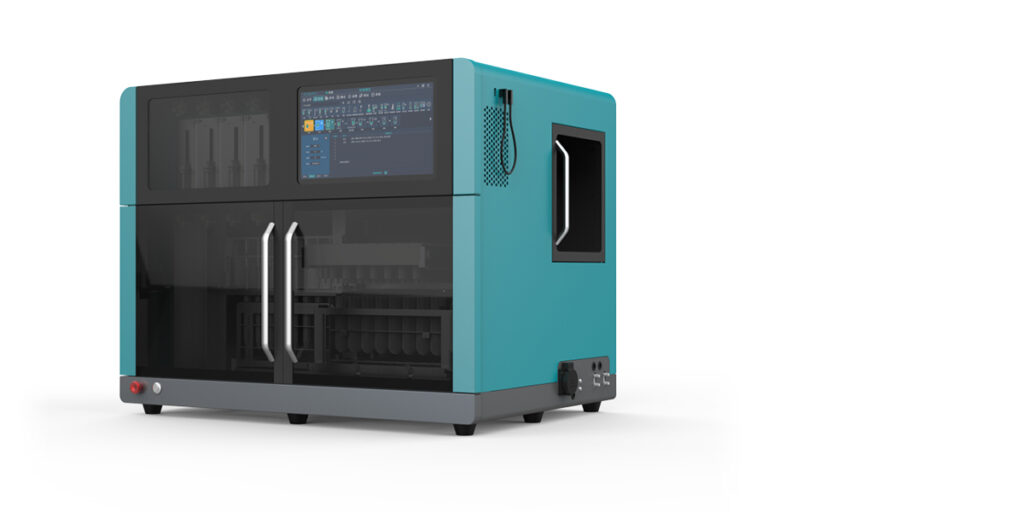
Automated systems like Raykol’s advanced Solid Phase Extraction (SPE) equipment drastically reduce manual intervention in sample prep. Automation enables rapid processing of large sample batches with consistent precision. This not only speeds up workflows but also improves reproducibility and data quality. Scientists are freed from repetitive tasks and can focus more on data analysis, troubleshooting, and method development.


Why is automation crucial for South Africa’s diverse testing requirements?

South African labs serve a broad spectrum of sectors, including agricultural exports, textiles, food safety, and environmental monitoring. Each sector demands tailored analytical workflows and compliance with strict regulations. Automation allows labs to scale up quickly without sacrificing accuracy, making it a vital investment to remain competitive and meet both local and international standards during festive season peaks.


What are the specific benefits of Raykol’s automated SPE systems during festive peaks?

Raykol’s systems streamline complex sample prep steps, cutting down hands-on time and reducing human error. Labs can increase throughput significantly, maintaining fast turnaround times without compromising data integrity. This ensures faster reporting to clients and regulators, enhances lab productivity, and supports better resource allocation during the busiest times of the year.


Raykol’s automated SPE systems

Ready to transform your lab’s festive season workflow?

South African laboratories aiming to stay ahead of demand spikes should explore automation solutions today. Implementing Raykol’s automated SPE systems can optimise workflows, reduce bottlenecks and uphold testing accuracy when it matters most.


✅ TL;DR – Key Takeaways

  • December is the peak testing season for South African labs across multiple industries.
  • Manual prep workflows cause delays, errors, and staff fatigue during high volumes.
  • Automation with Raykol SPE systems accelerates prep, boosts throughput, and ensures consistent results.
  • Lab automation frees scientists to focus on data interpretation and innovation.
  • Essential for labs handling diverse testing needs to stay competitive and compliant.

Keeping Holiday Tables Safe: Streamlining Agilent in South Africa

Why is food safety more challenging during South Africa’s festive season?

From lively braais to large family feasts, the holiday season means a surge in food production and consumption. This increase brings challenges in managing contaminants like pesticides on fresh produce or residues in packaged meats. Ensuring food safety is vital to protect public health and uphold brand reputation.


Challenges faced by labs during peak testing periods

High sample volumes and diverse food types place huge demands on testing labs. Manual sample preparation can slow down processes and increase errors, risking delays in identifying contaminants and potentially allowing unsafe food products to reach consumers.


How do Agilent LC/MS and GC/MS systems improve contaminant detection?

Agilent’s advanced Liquid Chromatography/Mass Spectrometry (LC/MS) and Gas Chromatography/Mass Spectrometry (GC/MS) platforms enable rapid, sensitive detection of pesticides, antibiotics, mycotoxins, and other harmful residues in complex food samples, ensuring accuracy even under pressure.


In one study, Agilent demonstrated its gas chromatography (GC) and mass spectrometry (MS) systems achieved “excellent linearity” in testing for over 200 pesticides across a wide dynamic range (0.1 to 5,000 ppb).


Agilent LC/MS & GC/MS instruments.

The role of automation in sample preparation

Raykol’s automated sample preparation systems help labs handle larger sample volumes consistently and quickly, reducing human error and freeing analysts to focus on data interpretation. This is critical when the pressure is on to deliver reliable results fast.


Raykol Automated Solid Phase Extraction system visual.

Why is real-time monitoring important for food safety during holidays?

Continuous quality control lets producers and retailers react promptly to contamination risks, protecting consumers and maintaining compliance with South African and international food safety regulations, especially critical during holiday spikes in demand.


How can producers and retailers stay compliant and build consumer trust?

Investing in cutting-edge testing technology and automation not only helps companies meet evolving regulatory requirements but also demonstrates a commitment to consumer safety, key for maintaining trust during high-visibility holiday seasons.


Upgrade your food safety testing workflows now

To keep holiday tables safe and operations smooth, labs and food suppliers should leverage Agilent’s LC/MS and GC/MS instruments alongside Raykol’s automated sample prep solutions.


TL;DR – Key Takeaways

  • Holiday season increases food safety testing demands in South Africa.
  • Manual prep and high sample loads create bottlenecks and risk errors.
  • Agilent LC/MS and GC/MS systems enable sensitive, fast contaminant detection.
  • Raykol automation speeds up sample prep, improving lab throughput and accuracy.
  • Real-time monitoring and robust workflows safeguard consumers and ensure compliance.


Managing Data Loads in Pathology: Handling Large Imaging Files in Busy Periods

Why are large imaging files a growing challenge in research labs at year-end?

As research institutes and life science laboratories face the year-end rush, one often overlooked hurdle is the surge in imaging data. Modern tools generate extremely large files – sometimes gigabytes per sample. Multiplied across hundreds or thousands of datasets, this can strain storage systems and IT workflows, risking delays when deadlines are most critical.


The impact of overwhelming data loads

Without the right tools, labs may face storage capacity issues, slow rendering, and longer wait times to review datasets. This reduces throughput and jeopardises the timely completion of experiments, publications, and grant reports – especially during peak year-end periods.


Smarter image analysis with Agilent BioTek Gen5 Software

Agilent BioTek Gen5 Software for Imaging & Microscopy streamlines image capture, processing, and analysis within one interface. Researchers can design 2D or 3D workflows in widefield or confocal imaging, supported by modules for in-depth analysis across a wide range of cell applications.


Key capabilities include:

  • Single image capture, montaging, Z-stacking, and beaconing
  • Advanced processing such as background removal, deconvolution, stitching, Z-projection, and 3D rendering
  • Automated functions including confluence determination, object counting, neurite outgrowth analysis, spot counting, and single object tracking
  • Built-in tools for exporting high-resolution images, graphs, and kinetic movies
By reducing technical bottlenecks, Gen5 helps researchers generate insights faster – a real advantage when deadlines are tight.


Biofilm characterisation

Biofilms have an inherent three-dimensional structure that can be reconstructed using confocal microscopy. While widefield imaging captures compositional properties, confocal laser scanning microscopy (CLSM) reduces out-of-focus light and background interference, improving image quality when analysing live biofilms at varying focal depths.


In addition to managing large image files, life science researchers are also exploring deeper biological insights – such as how microorganisms form biofilms on tissues, experimental surfaces, or model systems, which can influence disease models and basic biological research. Agilent’s solutions underscore the importance of properly visualising these complex, three-dimensional microbial communities. The Cytation C10 Confocal Imaging Reader is well-suited for biofilm research. Combining widefield and confocal modes with environmental control, it captures high-quality, live-cell images of thick multicellular structures. Confocal optics layered over plate-reader modalities allow researchers to visualise biofilm architecture and metabolic activity while keeping file sizes manageable.


Beyond imaging

Researchers also need insights that go beyond imaging data. The new Agilent Seahorse XF Flex Analyzer complements imaging by enabling real-time analysis of live-cell metabolism in both 2D and 3D models. This provides functional insights without adding to data storage burdens, helping labs interpret results faster.


Agilent Seahorse XF Flex Analyzer

Why is automation matters

Automated workflows for file transfer, compression, and retrieval reduce manual workload and delays. This frees scientists to focus on data interpretation rather than technical troubleshooting, improving accuracy and turnaround times.


Why scalability is vital for South African labs

South African research institutions balance academic projects and industry collaborations, each with unique reporting demands. Scalable imaging systems help labs manage seasonal surges and diverse sample types without compromising quality or speed.


Ready to optimise your lab’s workflows this festive season?

Agilent’s advanced imaging solutions – including the Cytation C10 Confocal Imaging Reader, BioTek Gen5 Software, and Seahorse XF Flex Analyzer – help labs improve efficiency, reduce delays, and deliver results faster. Complementary methods like holotomography can provide additional insights, expanding analytical possibilities.


Contact us to learn more about Agilent’s solutions for life science research.


Detecting PFAS and Other ‘Forever Chemicals’ in SA’s Textiles

Festive fashion, hidden risks

With the holiday season fast approaching, South Africans are gearing up for warm-weather celebrations, stocking up on water-repellent jackets, quick-dry swimwear and stain-resistant tablecloths. But behind the seasonal sparkle lies a silent concern: PFAS, or per- and polyfluoroalkyl substances.


Nicknamed “forever chemicals” for their resistance to breakdown, PFAS are commonly used in textiles to enhance durability and repel liquids. However, their environmental persistence and health risks, ranging from hormonal disruption to cancer, have made them a growing concern worldwide.


As international regulations tighten, textile retailers, importers and labs in South Africa must prepare to detect and manage PFAS contamination.


Why is PFAS detection in textiles so difficucon

Detecting PFAS in fabric isn’t like testing for surface-level contaminants. These chemicals can:
  • Be present in ultra-trace amounts
  • Be embedded in complex synthetic fibres
  • Require extensive and delicate preparation before testing


Traditional methods rely heavily on manual prep, increasing the risk of human error. For busy labs and testing facilities, especially in high-demand seasons, this leads to:
  • Delays in turnaround times
  • Inconsistent results
  • Potential non-compliance with regulations


Automation is transforming textile PFAS testing

Forward-looking labs are turning to automation to solve these pain points. By integrating Agilent’s LC/MS instruments with Raykol’s automated SPE (Solid Phase Extraction) systems, labs can drastically improve their efficiency and precision.

Benefits of this approach include:
  • Faster processing of large sample volumes
  • Minimised manual intervention
  • Higher consistency and reproducibility
  • Freed-up lab staff for data analysis rather than repetitive prep tasks
This workflow is especially valuable during South Africa’s high-spend festive months, where time and accuracy are critical.


How does Raykol’s automated SPE system improve sample prep?

Sample preparation is often the most manual and error-prone stage of PFAS testing. Raykol’s Fotector SPE platform automates this process, reducing variability and increasing throughput.

Key benefits of Raykol’s system include:
  • Reduced contamination risk from human handling
  • Faster preparation times for large volumes
  • Seamless compatibility with LC/MS workflows
  • Improved repeatability and lab efficiency


Agilent LC/MS: Trusted precision for PFAS detection

Agilent’s Liquid Chromatography/Mass Spectrometry (LC/MS) systems are purpose-built to detect ultra-low concentrations of PFAS in even the most complex textile materials.

These platforms help labs:
  • Comply with global regulations (e.g. EU REACH, US EPA, SAICM)
  • Process large test batches without compromising accuracy
  • Stay competitive by delivering reliable, compliant results on time


PFAS testing protects more than compliance

While regulation is a key driver, the real value of PFAS detection goes beyond ticking boxes. South African retailers and importers who adopt rigorous testing practices also gain:
  • Consumer trust during peak sales seasons
  • Brand differentiation as safety-conscious and transparent
  • Supply chain resilience against new international bans or restrictions
  • Preparedness for the expanding global push toward PFAS elimination


Case in point: A South African home textile importer recently adopted Agilent + Raykol systems and achieved a 60% reduction in turnaround time, enabling full compliance with updated EU restrictions before they took effect.


What’s next? Build a smarter PFAS detection strategy

PFAS are here, regulations are rising, and expectations around chemical safety are increasing fast. Now’s the time to modernise your PFAS testing workflows with automation and precision analytics.

Make your lab smarter, faster, and fully compliant – before it’s mandatory.


PFAS in South Africa: Should We Be Worried?

Imagine a chemical so persistent that it resists breaking down in the environment, earning it the nickname “forever chemical.” Per- and polyfluoroalkyl substances (PFAS) are just that—synthetic compounds found in everyday items like non-stick cookware, waterproof clothing, and firefighting foams. While their durability made them industrial favourites, this same resilience has led to widespread environmental contamination. In South Africa, the presence of PFAS in water sources is becoming an increasing concern, prompting questions about their impact on health and the environment.

Unpacking the PFAS puzzle

PFAS have been linked to various health issues, including hormonal disruptions, immune system effects, and certain cancers. Their ability to accumulate in the human body and the environment makes them particularly worrisome. In South Africa, studies have detected PFAS in water sources, raising alarms about potential exposure. However, detecting and analysing these compounds is no simple task. Their chemical stability and low concentrations in environmental samples pose significant challenges for laboratories, necessitating advanced analytical techniques and instruments.


The analytical challenge of PFAS detection

Traditional analytical methods often fall short when it comes to detecting the vast array of PFAS compounds, especially at trace levels. Non-targeted analysis (NTA) and suspect screening have emerged as crucial approaches, allowing scientists to identify both known and unknown PFAS compounds in various matrices. However, these methods require high-resolution mass spectrometry and sophisticated data analysis capabilities. In South Africa, the adoption of such advanced techniques is still in its nascent stages, highlighting the need for enhanced laboratory infrastructure and expertise to effectively monitor and manage PFAS contamination.


Enhanced detection

The Agilent Ultivo LC/MS system offers a compact yet powerful solution for PFAS analysis. Designed for high-throughput laboratories, it combines sensitivity and robustness, making it ideal for detecting low levels of PFAS in complex environmental samples.


Key benefits:

  • Compact Design: Saves valuable laboratory space without compromising performance.
  • High Sensitivity: Detects trace levels of PFAS, ensuring accurate quantification.ScienceDirect
  • Robust Performance: Handles complex matrices with minimal maintenance requirements.
  • User-Friendly Interface: Simplifies operation and data analysis, reducing training time.


Chemetrix provides comprehensive support for the Ultivo LC/MS, including installation, training, and maintenance services, ensuring laboratories can maximise the instrument’s capabilities.


Comprehensive analysis

For laboratories seeking advanced capabilities, the Agilent 6546 LC/Q-TOF system offers high-resolution mass spectrometry for both targeted and non-targeted PFAS analysis. Its accurate mass measurements and fast acquisition rates enable the identification of a wide range of PFAS compounds, including emerging contaminants.


Key benefits:

  • High-Resolution Detection: Accurately identifies and quantifies known and unknown PFAS compounds.
  • Fast Acquisition Rates: Enhances throughput, allowing for the analysis of more samples in less time.
  • Advanced Data Analysis: Facilitates complex data interpretation with integrated software tools.
  • Versatility: Suitable for various applications, from environmental monitoring to product safety assessments.


Chemetrix offers expert guidance and technical support to integrate the 6546 LC/Q-TOF into laboratory workflows, ensuring optimal performance and data quality.


Building a safer future

By adopting advanced analytical instruments like the Agilent Ultivo LC/MS and 6546 LC/Q-TOF, South African laboratories can significantly enhance their PFAS detection capabilities. These tools not only improve the accuracy and efficiency of analyses but also empower scientists to better understand and mitigate the risks associated with PFAS contamination. With Chemetrix as a trusted partner, laboratories gain access to cutting-edge technology and dedicated support, fostering a proactive approach to environmental health and safety.


Partner with Chemetrix for PFAS solutions

Addressing the challenges posed by PFAS requires collaboration, innovation, and the right tools. Chemetrix is committed to supporting South African laboratories in their efforts to detect, analyse, and manage PFAS contamination. Contact Chemetrix today to learn more about our solutions and how we can assist your laboratory in safeguarding public health and the environment.