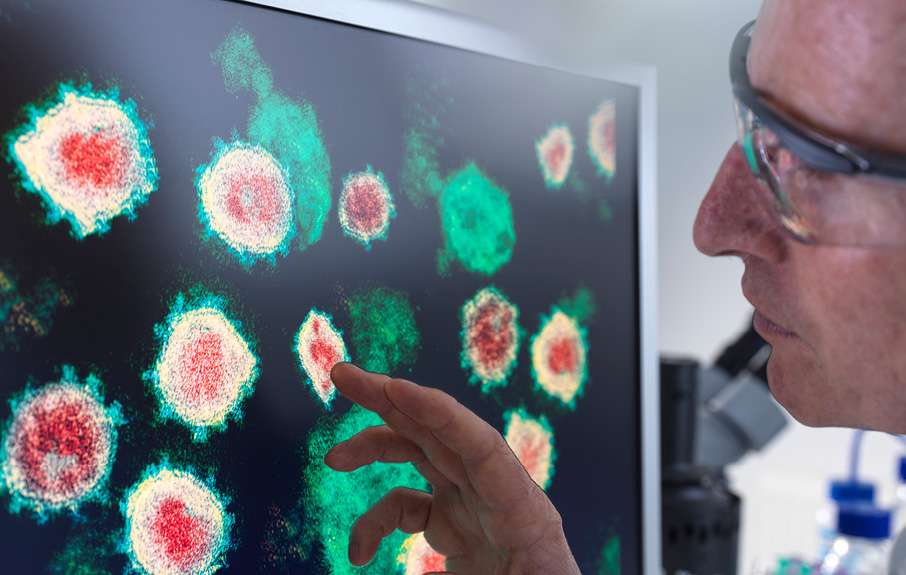
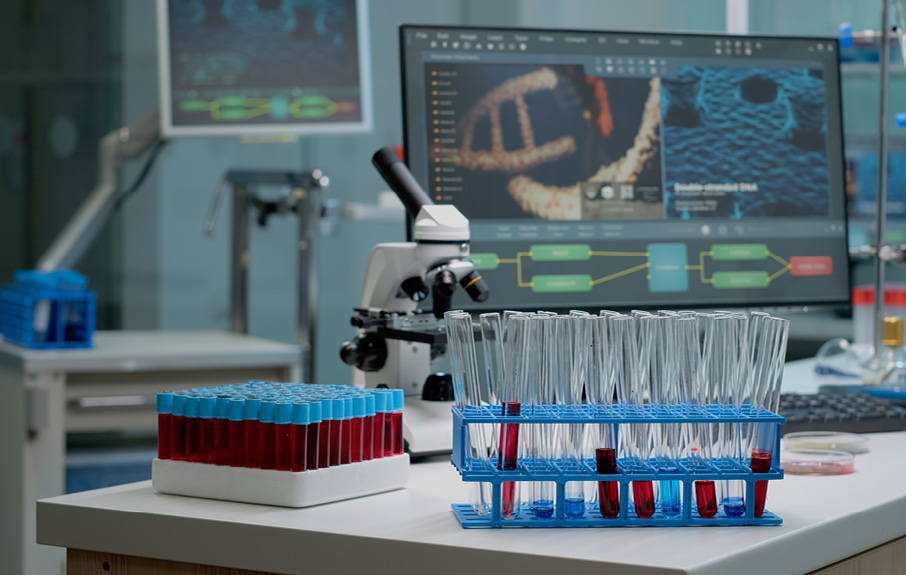
In the realm of pharmaceutical and medical device manufacturing, ensuring product safety is paramount. Bacterial Endotoxin Testing (BET) plays a crucial role in this process, traditionally relying on significant volumes of Limulus Amebocyte Lysate (LAL) derived from horseshoe crabs. However, advancements in technology are paving the way for more efficient and sustainable testing methods.
Navigating the complexities of traditional BET
Traditional BET methods, such as the gel clot and 96-well plate assays, have been the standard for decades. While effective, these techniques often involve substantial volumes of LAL, raising concerns about sustainability and cost. Moreover, the manual nature of these assays can lead to increased labour, potential for human error, and challenges in maintaining compliance with stringent regulatory standards.
The need for meticulous documentation and validation further complicates the process, making it both time-consuming and resource-intensive.
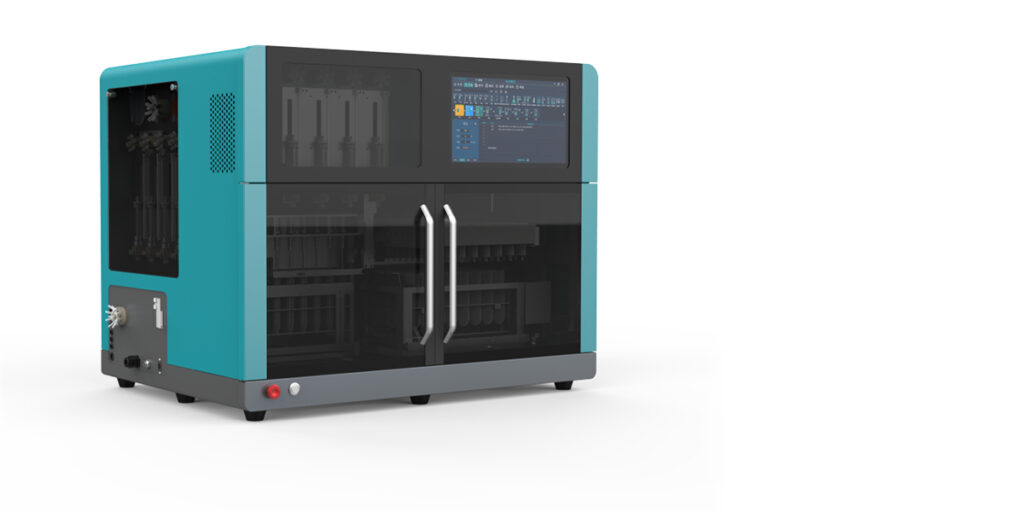
The Sievers Eclipse Bacterial Endotoxins Testing (BET) Platform emerges as a transformative solution addressing the limitations of traditional BET methods. Leveraging precise microfluidic liquid handling, the Eclipse platform automates kinetic chromogenic assays, significantly reducing manual intervention.
This innovation not only decreases assay setup time by up to 85% but also reduces LAL reagent consumption by up to 90%, promoting sustainability.
Furthermore, the platform fully complies with harmonised pharmacopeial requirements, including USP <85>, EP 2.6.14, and JP 4.01, ensuring data integrity and regulatory adherence. By simplifying workflows and enhancing precision, the Eclipse platform represents a significant advancement in endotoxin testing.
Chemetrix, as a trusted partner in laboratory solutions, offers comprehensive support for integrating the Sievers Eclipse BET Platform into your operations. Our services include installation and validation assistance, user training, and ongoing technical support to maximise the platform’s capabilities. With Chemetrix’s expertise, laboratories can confidently transition to more efficient and sustainable BET practices.
Achieving sustainability goals
The Sievers Eclipse BET Platform not only enhances operational efficiency but also contributes to environmental sustainability. By significantly reducing LAL usage, laboratories can lower their environmental impact and operational costs. Adopting the Eclipse platform reflects a commitment to ethical and environmentally conscious operations, aligning laboratory practices with broader sustainability objectives.
Laboratories that have adopted the Sievers Eclipse BET Platform report notable improvements, including increased throughput, enhanced data integrity, and regulatory confidence. These benefits underscore the value of modernising BET practices to meet current and future demands.
Elevate your laboratory’s endotoxin testing capabilities by embracing the Sievers Eclipse BET Platform. Chemetrix is ready to support your transition with expert guidance, comprehensive services, and ongoing support.
Contact Chemetrix today to learn how we can assist in enhancing your laboratory’s efficiency, sustainability, and compliance through innovative BET solutions.
Would you still eat your favourite snack if you didnāt know what was in it?
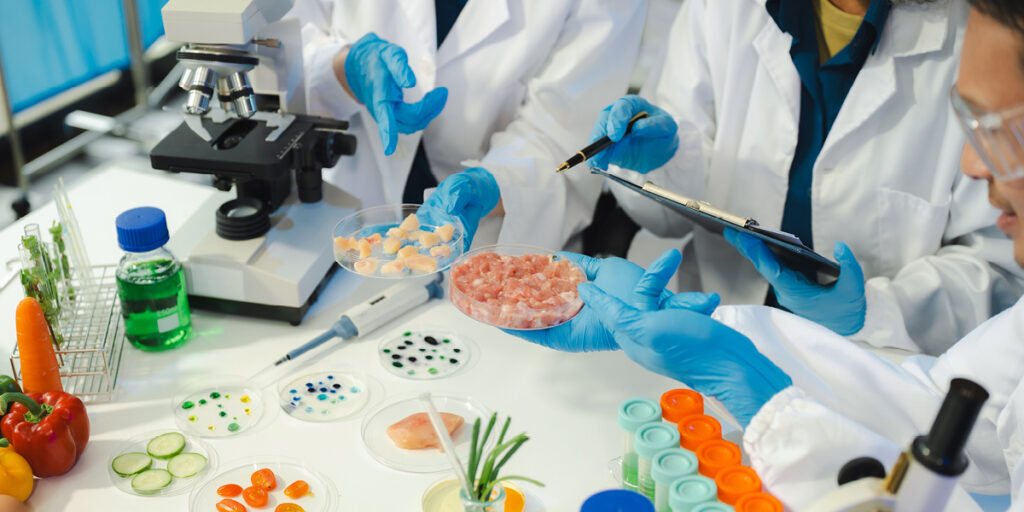
Food safety isnāt just a matter of regulations ā itās a matter of trust. South African consumers expect transparency from the brands they support, and leading retailers like Woolworths know this. As shoppers become increasingly mindful of health and sustainability, the demand for rigorous food testing has never been higher.
Behind the scenes, laboratories like Microchem ā supported by Chemetrix ā are working tirelessly to ensure that whatās on your plate meets the highest standards of safety and quality.
The challenge facing South Africaās retailers
In an age of global food supply chains and growing health concerns, food testing is no longer a ānice-to-haveā ā itās essential.
Local retailers face mounting pressure to uphold not only national safety standards but also consumer expectations around integrity, traceability and clean labels.
For quality-driven retailers like Woolworths, the challenge lies in ensuring that food is tested accurately and efficiently, with results that can be trusted. From imported fruit and vegetables to locally produced meat and dairy, every product must be analysed for contaminants, residues and adulterants before reaching the shelves.
When āsafeā isnāt simple: The complex nature of food testing
Food safety testing involves identifying and quantifying chemical residues such as pesticides, mycotoxins, additives, allergens, and heavy metals. In particular, volatile organic compounds (VOCs) and environmental pollutants such as dioxins or plasticisers are increasingly under scrutiny.
The complexity of modern food products and their varied matrices ā from fatty snacks to fibrous grains ā presents analytical challenges that demand robust, high-sensitivity instruments. Traditional methods may struggle with accuracy, throughput, or regulatory compliance, especially when laboratories are expected to produce results quickly and cost-effectively.
One of the most significant breakthroughs in food testing is non-targeted screening, which allows labs to detect unknown or unexpected contaminants without having to pre-select specific compounds.
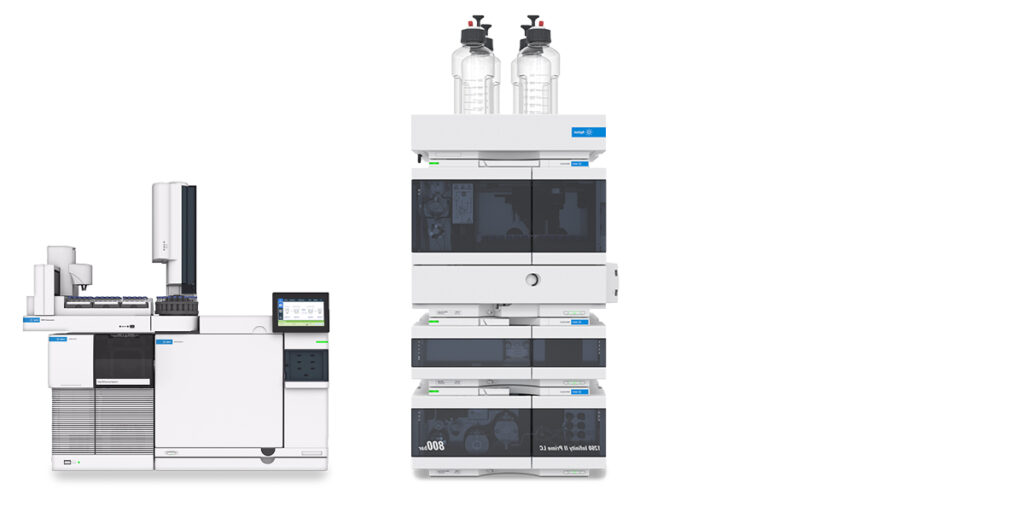
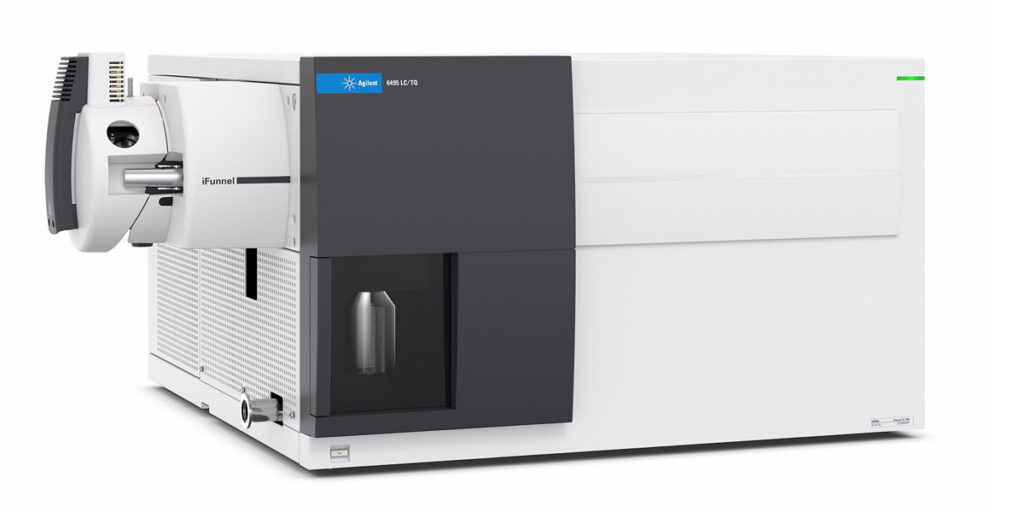
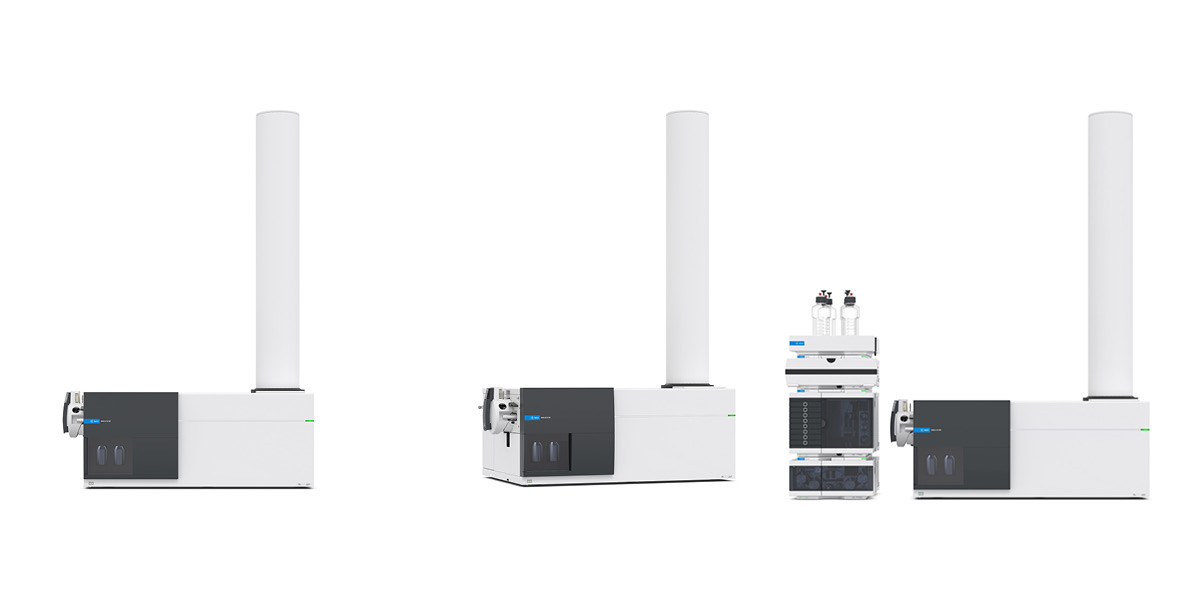
The Agilent 7250 GC/Q-TOF, available through Chemetrix, is purpose-built for this. It pairs high-resolution gas chromatography with time-of-flight mass spectrometry, enabling analysts to confidently identify trace compounds in complex food samples.
With this level of insight, labs like Microchem can test for a broader range of contaminants with exceptional clarity and speed. Whether itās detecting pesticide residues in leafy greens or verifying additive levels in processed snacks, the 7250 GC/Q-TOF allows for greater coverage ā and fewer blind spots.
For routine, high-throughput testing where speed and accuracy are vital, the Agilent 5977C GC/MSD remains the gold standard. This system excels at targeted analysis of known contaminants such as preservatives, residual solvents, and food packaging migration chemicals.
Its robust performance, low detection limits and smart functionality make it ideal for commercial labs needing reliable results under tight deadlines. In Microchemās case, the 5977C allows for cost-efficient testing at scale ā from raw materials to final packaging ā without compromising quality or regulatory compliance.
At Chemetrix, we help our clients integrate instruments like the 5977C seamlessly into their workflows, providing technical support, training and ongoing guidance to keep things running smoothly.
Local food retailers benefit tremendously from having labs like Microchem ā and partners like Chemetrix ā at their side. With the right technology and know-how, they can proactively identify risks, validate supplier claims and guarantee product quality with confidence.
This builds not only safer food systems but stronger relationships with consumers. Itās why Woolworths continues to lead in the food retail sector ā their commitment to testing, transparency and traceability has earned them long-standing trust from South African shoppers.
For laboratories, having a trusted technology partner like Chemetrix can be the difference between reactive testing and proactive problem-solving. We donāt just sell instruments ā we deliver the confidence that comes from reliable, accurate, and efficient analysis.
Test smarter. Trust more. Partner better.
Food safety matters ā and staying ahead of the curve requires the right tools, expert support and a commitment to excellence. Whether you’re a lab looking to expand your capabilities or a food retailer determined to protect your brand, Chemetrix is here to help.
Ready to see whatās really in your food ā and prove it to your customers?
Explore our full range of solutions and connect with our team to learn how we can support your food testing goals with trusted Agilent technologies.
Industry events are wonderful gatherings of colleagues, peers, new potential business partners, and the scientific community that changes the world through the tools and support weāre able to provide. Theyāre a lot of fun and a chance to really connect with the sector to have meaningful discussions and forge productive relationships.
Businesses always consider the pros and cons of any event because, unfortunately, they arenāt free. With much consideration of budgets and strategic goals, there are various reasons why one should be a participant or perhaps why not to be part of it in any particular year. We at Chemetrix know youāve read the title of this article and itās true: We wonāt be at analytica Lab Africa and weād like to explain our decision.
Doing things differently
We are big fans of analytica Lab Africa as itās the premier trade fair for the analysis, laboratory-technology and biotechnology sectors. Itās also the only event of its kind in South Africa. Lab Africa brings together scientists, entrepreneurs and users from around the world. It is the perfect platform for international business relations. In 2023, Chemetrix was an exhibitor at the event and it was a roaring success.
It is precisely because we were at the last Lab Africa that weāre choosing to not exhibit in 2025. We know the positives of the event and weād like to try something different. Chemetrix is known for delivering tailored solutions for our valued customers. Weāre not afraid to think differently and try something new when we know it can yield a positive result. So, weāre adopting a unique approach by not exhibiting.
A more personal experience
If youāre at Lab Africa 2025 and youād still like to connect with Chemetrix, hereās what we can offer you:
A visit to our HQ: Our office is a short distance from Gallagher Convention Centre so, if youāre at Lab Africa, youāre welcome to come see us at your convenience.
One-on-one time with our experts: You can take your time and ask our knowledgeable team all the questions you may have. Theyāll also be able to hear your needs and goals and offer solutions.
Product demos: We have instruments available to do demonstrations, allowing you to see them in action. Itās a front-row seat to all the state-of-the-art features and how these can benefit your lab.
Learn about our after-sales support: From training to troubleshooting, you can find out how we support your lab.
A great cup of coffee: If you need a break from Lab Africa, pop in and enjoy a fresh cup of coffee and a chat.
Exciting times ahead
Although this decision not to participate in the event may be surprising, it doesnāt mean that you wonāt see Chemetrix at any industry events in the future. On the contrary, we look forward to showcasing our values, our excellent customer service, and our incredible portfolio of instruments at various events in the future. We might even be at the next Lab Africa.
For this year, we have a clear plan for how weād like to be of service and build new and greater connections. There are wonderful developments on the horizon that include new instruments, our CSI initiatives, as well as our participation in Agilent and Seeding Labsā project to distribute pre-loved instruments to organisations who need greater instrument accessibility.
Our company continues to grow and we are thrilled to have so many young South Africans applying for roles within Chemetrix. We are also excited to see our Kenya office bring the same level of excellence into the continent that we are well-known for in Southern Africa.
Chemetrixās door is always open
If you arenāt able to be at Analytica Lab Africa this year, you can always contact us and make an appointment with one of our team members for a time that best suits you. Our support team is always ready to assist and we continue to provide valuable resources in our Library.
Itās all part of our promise and our continued reputation to help labs grow and thrive. The time is now for Africa to see its labs and incredible scientists shine when theyāve got the instruments that can drive the business forward. And Chemetrix is the partner that will be on that journey towards great success.
Beer is more than just a refreshing beverage – itās a carefully crafted balance of ingredients, chemistry, and precision. From the selection of raw materials to the final pour, ensuring the highest quality requires rigorous testing at every stage. Modern analytical instruments have revolutionised beer analysis, giving brewers deeper insights into composition, consistency, and safety. At Chemetrix, we support brewers with cutting-edge solutions to maintain excellence in every batch.
The importance of beer analysis
For centuries, brewing has been both an art and a science. Today, breweries of all sizes rely on analytical testing to:
Ensure product consistency and quality control
Detect contaminants or unwanted elements
Monitor fermentation efficiency
Comply with safety and regulatory standards
Without accurate analysis, a beer’s taste, aroma, and mouthfeel could be compromised, potentially impacting consumer trust and brand reputation.
Key techniques in beer testing
Several advanced techniques are used to analyse beer, from raw materials to the finished product. The latest innovations in spectroscopy and chromatography allow for precise monitoring of chemical composition, ensuring every pint meets the highest standards.
Elemental analysis with ICP-OES
Inductively Coupled Plasma Optical Emission Spectroscopy (ICP-OES) is an essential tool in beer analysis, particularly for detecting and quantifying metallic elements. Metals such as iron, copper, and zinc can influence beerās taste, stability, and shelf life. Excessive levels can lead to oxidation and undesirable flavours. The Agilent 5900 ICP-OES is a preferred instrument in the brewing industry, offering fast, multi-element analysis with exceptional sensitivity. By monitoring metal content, brewers can ensure consistency and prevent unwanted chemical reactions.
Yeast plays a crucial role in fermentation, converting sugars into alcohol and carbon dioxide. Monitoring yeast health and growth rate is vital for efficient fermentation. UV-Vis spectroscopy, such as the Agilent Cary 60 UV-Vis, provides rapid and accurate yeast cell density measurements. This allows brewers to optimise fermentation conditions, reducing inconsistencies and improving beer quality.
Atomic Absorption Spectrometry (AAS) for trace metal detection
Even trace amounts of heavy metals can impact beerās stability and flavour profile. Atomic Absorption Spectrometry (AAS) is used to detect elements like lead, arsenic, and cadmium at very low concentrations. The Agilent 240FS AA offers high-speed analysis with precision, ensuring contaminants remain below regulatory limits.
As the leading analytical instrument supplier in South Africa, Chemetrix is committed to providing breweries with state-of-the-art solutions for beer testing. Whether itās ensuring the right mineral balance, optimising fermentation, or preventing contaminants, our cutting-edge instruments empower brewers with actionable insights.
The science behind beer analysis ensures that every sip meets the highest standards. With the right tools, brewers can combine tradition with technology, crafting consistently high-quality beer that delights consumers.
For more information on analytical instruments for beer testing, contact Chemetrix today.
In the pursuit of scientific advancement, access to high-quality laboratory equipment is essential. However, for many educational institutions and small research organisations, acquiring the necessary analytical instruments remains a challenge due to budget constraints. Recognising this need, Agilent Technologies has partnered with Seeding Labs, a non-profit organisation dedicated to equipping scientists in resource-limited areas with the tools they need to drive innovation. In South Africa, Chemetrix is proud to be part of this initiative, facilitating the handover of previously used Agilent instruments to deserving universities, technical colleges, and research institutions.
Seeding Labs: A catalyst for scientific growth
Seeding Labs is an award-winning nonprofit that has spent the last 15 years working to overcome a major barrier to global development: the extreme concentration of scientific capacity in just a handful of countries. Since 2008, Seeding Labs has provided scientific institutions in developing countries with access to modern lab equipment and supplies through our flagship program, Instrumental Access.
This initiative has been instrumental in bridging the global equipment gap by collecting and redistributing used but fully functional laboratory instruments to institutions that need them most. It ensures that scientists can continue their research and contribute to scientific progress regardless of financial limitations.
Agilentās participation in this initiative underscores its commitment to corporate social responsibility and sustainable scientific development. By donating previously used instruments, Agilent not only supports education and research but also promotes a more sustainable approach to laboratory operations by extending the lifecycle of high-quality equipment.
Chemetrix: Facilitating impactful change in South Africa
As a leading distributor of Agilent technologies in Southern Africa, Chemetrix has been entrusted with coordinating the transfer of these essential instruments to local educational and research institutions. With a deep understanding of the needs of the scientific community, Chemetrix is uniquely positioned to ensure that the right equipment reaches the right organisations, where it can have the greatest impact.
Through this initiative, Chemetrix is helping to:
Enhance STEM education: By providing universities and technical colleges with advanced analytical instruments, students gain hands-on experience with industry-standard equipment, better preparing them for careers in science and technology.
Strengthen research capabilities: Many research institutions struggle with outdated or insufficient equipment. By receiving Agilent instruments, these institutions can conduct higher-quality research, fostering innovation and scientific breakthroughs.
Support small enterprises and startups: In addition to academic institutions, small businesses focused on analytical services and product development can benefit from access to these instruments, driving economic growth and technological advancement.
Bringing world-class technology to local institutions
The Agilent instruments being donated are meticulously refurbished and tested to ensure their reliability and performance. These include essential laboratory tools such as gas chromatographs (GC), liquid chromatographs (LC), and spectrophotometers, which are widely used in chemical analysis, environmental testing, pharmaceutical development, and food safety testing.
For a university chemistry lab, an Agilent GC system could mean the difference between theoretical learning and practical application. For a research institute working on climate change, an LC system could be the key to analysing environmental pollutants with precision. For a startup developing new pharmaceuticals, these instruments could accelerate drug discovery and testing, providing the foundation for innovation.
A sustainable and inclusive approach to scientific advancement
This collaboration between Agilent, Seeding Labs, and Chemetrix is more than just an instrument donation programme; it represents a long-term investment in scientific capability and education. By repurposing high-quality analytical instruments, the programme not only empowers the next generation of scientists but also supports sustainability by reducing electronic waste and extending the usability of valuable equipment.
Chemetrixās involvement ensures that the process is efficient, transparent, and tailored to the specific needs of local institutions. With its strong network and expertise, Chemetrix is playing a vital role in ensuring that the donated equipment is deployed effectively, maximising its impact across various scientific disciplines.
Looking ahead: The future of science in South Africa
The demand for skilled scientists and researchers continues to grow, and initiatives like this play a crucial role in developing a well-equipped workforce. By facilitating the donation of Agilentās previously used instruments, Chemetrix is helping South African institutions build state-of-the-art laboratories, enhance research capabilities, and produce graduates who are ready to contribute to the global scientific community.
As this initiative expands, Chemetrix remains committed to fostering a culture of collaboration, sustainability, and scientific excellence. By supporting education and research, Agilent, Seeding Labs, and Chemetrix are ensuring that innovation is not limited by geography or resources, but instead driven by curiosity, dedication, and access to the right tools.
For more information on how your institution can benefit from this initiative, contact us today.
Every lab wants to know that itās got tools that are reliable and that have the technology to help achieve itās goals. Perhaps itās time to replace the trusted instruments that have been in use for years because more space or efficiency is needed. Perhaps the lab is expanding and needs new instruments to accommodate the additional workload. Whatever your labās need may be, weāve got you covered.
Chemetrix is thrilled to announce the expansion of our portfolio with the latest state-of-the-art instruments from Agilent Technologies. These cutting-edge additions are set to revolutionise laboratory workflows, offering unparalleled performance, efficiency, and reliability.
Agilent 8850 GC system: Compact yet powerful
The Agilent 8850 Gas Chromatograph (GC) System is a game-changer for laboratories seeking high performance in a compact design. Tailored for single-channel applications, the 8850 GC is ideal for routine analyses in environmental, food, and pharmaceutical sectors.
Key Features:
Compact design: Occupying minimal bench space, the 8850 GC is perfect for laboratories with space constraints.
Rapid heating: Equipped with a direct heating oven, it ensures swift temperature ramping, significantly reducing analysis time.
User-friendly interface: The intuitive touchscreen interface simplifies operation, making it accessible even for users with minimal GC experience.
Energy efficiency: Designed with energy conservation in mind, the 8850 GC consumes less power, contributing to sustainable laboratory practices.
By integrating the 8850 GC into your laboratory, you can expect enhanced throughput, reduced operational costs, and reliable results, making it an invaluable asset for routine GC analyses.
From monitoring air and water quality to detecting contaminants in soil, environmental laboratories require highly sensitive instrumentation. The 8850 GC is an excellent solution for testing volatile organic compounds (VOCs) and pollutants in environmental samples. It also offers fast and reliable results for characterising crude oil, gas composition, and refining processes for the petrochemical industry and precise analysis of hydrocarbons, fuels, and lubricants.
Agilent Infinity III LC series: A new era of liquid chromatography
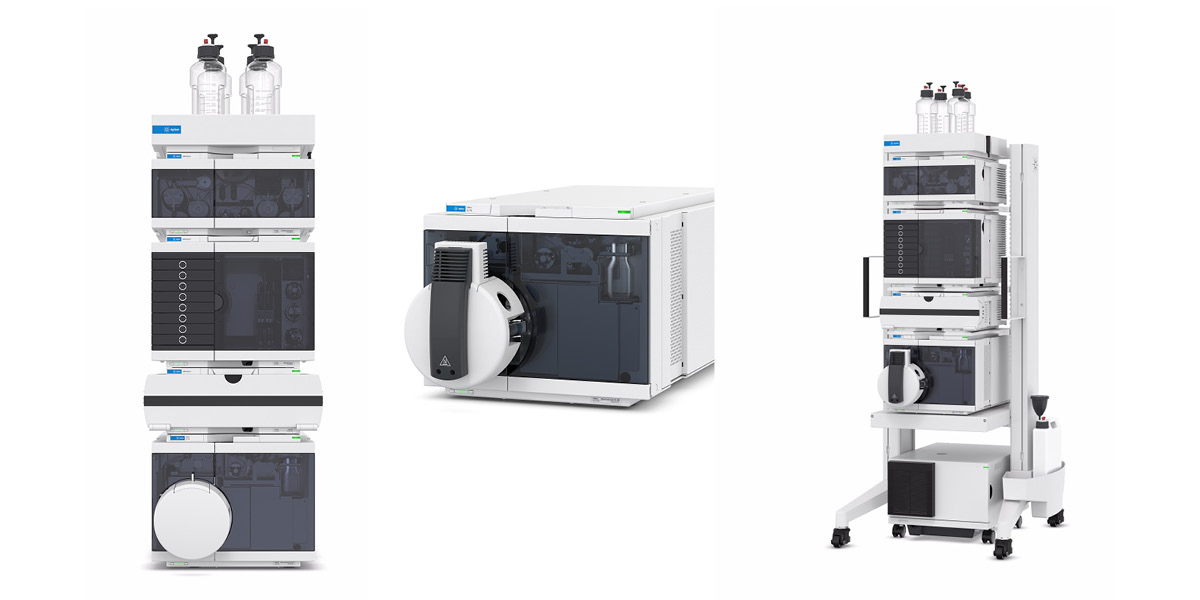
Agilentās Infinity III LC Series is engineered to meet the demands of modern laboratories, providing increased precision, reliability, and flexibility. With new features that enhance workflow efficiency, the Infinity III LC Series sets a new standard for high-performance liquid chromatography (HPLC) and ultra-high-performance liquid chromatography (UHPLC).
Key Features:
Optimised system performance: The Infinity III LC Series offers improved pressure resilience, higher flow rates, and enhanced detector sensitivity, making it ideal for both routine and complex analytical tasks.
InfinityLab technology: Integrated with InfinityLab Assist, this system provides real-time monitoring and diagnostics, reducing downtime and improving instrument longevity.
Versatile applications: Designed for seamless integration into regulated environments, it supports pharmaceuticals, food safety, environmental testing, and more.
By incorporating the Infinity III LC Series, laboratories can expect heightened accuracy, faster analysis times, and superior reproducibilityākey factors for high-throughput environments.
Precision and reliability are essential in pharmaceutical and biopharmaceutical analysis, where strict regulatory compliance is required. Infinity III is designed for high-throughput drug development, stability testing, and impurity profiling. It offers a cost-effective solution for routine quality control and formulation analysis, making it a trusted choice for pharmaceutical manufacturing. It is also particularly effective in pesticide residue analysis, mycotoxin screening, and nutritional profiling for the food and beverage sector.
Transform your laboratory with Agilent and Chemetrix
At Chemetrix, we are committed to providing cutting-edge solutions that empower laboratories to excel. The introduction of the Agilent Infinity III LC Series and 8850 GC System to our portfolio ensures that our clients have access to the latest advancements in analytical instrumentation.
From pharmaceutical quality control and food safety analysis to petrochemical testing and life sciences research, these powerful instruments enhance productivity, accuracy, and efficiency.
Discover how Agilentās latest innovations can redefine your labās potential – contact Chemetrix today for expert guidance and support.
Whether you’re just starting out with gas chromatography or looking to level up your troubleshooting skills, this expert-led webinar series from Chemetrix and Agilent is your ticket to the tools and techniques you need to succeed.
Designed for professionals and enthusiasts, this series will help you enhance your skills and deepen your understanding of GC and GC/MS analytical techniques. You will learn the theory of GC as well as the basics of hardware, including set-up, function, and key components.
GC, Theory and Basics
In the first of the GC and GC/MS: Theory, Maintenance, and Optimisation Webinar Series, you will learn the theory of GC as well as the basics of hardware including set-up, function and key components
Speakers
Mario Morales Pre-Sales GC/ GC-MS Specialist
Agilent Technologies, Inc.
During the second part of the GC and GC/MS: Theory, Maintenance, and Optimisation Webinar Series, we will present the main preventive maintenance operation as well as how to keep your instrument up and running to its maximal capacities.
Speakers
Logan Govender Spectroscopy Support Manager Chemetrix
Mario Morales Pre-Sales GC/ GC-MS Specialist
Agilent Technologies, Inc.
During the third session of the GC and GC/MS: Theory, Maintenance, and Optimisation Webinar Series, we will present the basics of hardware including set-up, function and key components.
Speakers
Mario Morales Pre-Sales GC/ GC-MS Specialist
Agilent Technologies, Inc.
During the fourth and final part of the GC and GC/MS: Theory, Maintenance, and Optimisation Webinar Series, we will present the main preventive maintenance operation as well as how to keep your instrument up and running to its maximal capacities.
Speakers
Stefan Toerien Customer Engineer Chemetrix
Nico Wolmarans Application Chemist Chemetrix
Mario Morales Pre-Sales GC/ GC-MS Specialist
Agilent Technologies, Inc.
In recent years, environmental testing has undergone a remarkable transformation as the world faces mounting challenges related to pollution, climate change, and public health. Laboratories are tasked with identifying a growing list of contaminants, many of which were previously undetected or unregulated. Among these, per- and poly-fluoroalkyl substances (PFAS), often referred to as āforever chemicals,ā have emerged as a significant concern due to their persistence in the environment and potential health impacts.
There are important key trends shaping the future of environmental testing. We will share some of the technologies and techniques that enable labs to meet evolving demands.
The growing importance of Environmental Testing
Environmental testing plays a crucial role in monitoring and safeguarding the health of ecosystems and communities. As scientific understanding of contaminants deepens, regulatory frameworks worldwide are becoming more stringent. Laboratories must now detect pollutants at trace levels, often within highly complex matrices like soil, water, and air.
Key drivers for innovation in environmental testing include:
Emerging Contaminants: Substances like PFAS, pharmaceuticals, and microplastics are increasingly being scrutinised due to their widespread presence and potential risks.
Tighter Regulations: Agencies such as the European Chemicals Agency (ECHA) and the United States Environmental Protection Agency (EPA) are implementing stricter standards for environmental monitoring.
Technological Advancements: Innovations in analytical instrumentation are enhancing sensitivity, accuracy, and throughput, enabling faster and more comprehensive testing.
PFAS: A persistent challenge
One of the most pressing issues in environmental testing today is the detection and analysis of PFAS. These synthetic chemicals are widely used in industrial applications and consumer products, including non-stick cookware, waterproof fabrics, and firefighting foams. However, their resistance to degradation has led to significant contamination of water supplies, soil, and even the human body.
PFAS are linked to a range of health concerns, including hormonal disruptions, immune system effects, and an increased risk of certain cancers. Regulatory bodies worldwide are responding by establishing lower thresholds for PFAS detection in drinking water and the environment.
Detecting PFAS poses unique challenges due to their chemical stability and low concentration levels. Advanced techniques such as liquid chromatography-tandem mass spectrometry (LC-MS/MS) have become essential for their accurate identification and quantification. This technology offers the sensitivity and specificity needed to meet regulatory requirements and protect public health.
Beyond PFAS, other contaminants such as microplastics, pharmaceuticals, and endocrine-disrupting compounds are gaining attention. These pollutants often originate from industrial discharges, agricultural runoff, and consumer waste, making their detection critical for environmental protection.
Analytical techniques like gas chromatography-mass spectrometry (GC-MS) and LC-MS/MS are increasingly used to identify these substances. Their ability to detect compounds at ultra-trace levels is driving innovation in environmental monitoring.
Increased adoption of High-Resolution Mass Spectrometry (HRMS)
High-resolution mass spectrometry is revolutionising environmental analysis by enabling the detection of unknown and emerging contaminants. Its ability to perform non-targeted analysis allows laboratories to identify previously uncharacterised compounds, paving the way for proactive environmental management.
Automation and digitalisation
Laboratories are embracing automation to enhance efficiency and reduce human error. Automated sample preparation systems and robotic workflows streamline processes, allowing labs to handle higher volumes of samples without compromising quality.
Digitalisation also plays a pivotal role, with data analytics and cloud-based platforms enabling real-time monitoring, sharing of results, and improved traceability. These advancements are critical as labs face increasing demands for transparency and accountability.
Focus on sustainability
Environmental testing laboratories are prioritising sustainable practices by minimising waste, reducing energy consumption, and adopting green chemistry techniques. Instrument manufacturers are responding by developing energy-efficient systems and methods that use fewer reagents and solvents.
Chemetrix is at the forefront of providing advanced solutions to address the challenges of modern environmental testing. With a comprehensive portfolio of analytical instruments and expertise in environmental analysis, Chemetrix empowers laboratories to stay ahead of emerging trends.
Advanced analytical tools
Chemetrix offers cutting-edge technologies such as LC-MS/MS and ICP-MS, which are essential for detecting trace contaminants like PFAS, heavy metals, and microplastics. These instruments deliver the sensitivity and precision required to meet stringent regulatory standards.
From instrument installation to ongoing maintenance, Chemetrix provides unparalleled support to ensure laboratories maximise the performance of their equipment. Comprehensive training support helps lab personnel stay updated on the latest methodologies and best practices.
Customised solutions
Recognising that each laboratory has unique needs, Chemetrix works closely with clients to develop tailored workflows. This approach ensures that labs can optimise their operations while meeting the specific demands of their applications.
Commitment to sustainability
Chemetrix is committed to promoting sustainable practices in environmental testing. By offering energy-efficient instruments and supporting the adoption of green chemistry, Chemetrix helps laboratories reduce their environmental footprint while maintaining high standards of analysis.
A Future-focused approach
As environmental challenges continue to evolve, so too must the methods and technologies used to address them. Emerging contaminants like PFAS underscore the need for innovative approaches to environmental testing, while trends such as automation and sustainability highlight the broader shifts shaping the industry.
For laboratories, staying ahead of these changes requires a combination of advanced technology, skilled personnel, and strategic partnerships. With Chemetrix as a trusted partner, labs can confidently navigate the complexities of modern environmental testing, ensuring they remain equipped to protect ecosystems and public health.
In today’s fast-evolving scientific landscape, versatility and efficiency are paramount. Multimode microplate readers are fast becoming a popular and effective choice for modern laboratories, enabling researchers to conduct a wide range of assays with precision and ease. From absorbance to luminescence beyond, these instruments streamline workflows, reduce operational costs, and enhance reproducibility. Available through Chemetrix, advanced multimode microplate readers provide researchers with cutting-edge technology tailored to diverse applications, such as nucleic acid quantification, protein assays, and enzyme kinetics.
Understanding Multimode Microplate Readers
At their core, multimode microplate readers integrate several detection modes into a single device. This capability eliminates the need for multiple instruments, thereby saving space and resources while expanding a laboratory’s functional capacity.
Unlike single-mode readers, which are limited to one detection method, multimode readers can perform absorgance, fluorescence, luminescence, and time-resolved fluorescence measurements, among others. This versatility makes them ideal for high-throughput screening and routine laboratory applications.
Key applications
Nucleic acid quantification
Accurate nucleic acid measurement is critical in molecular biology and genomics research. Multimode readers facilitate DNA and RNA quantification through fluorescence and absorbance assays, ensuring reliable data for downstream applications such as sequencing or PCR.
Protein analysis
Protein quantification and kinetic studies are central to biochemistry and pharmaceutical research. Multimode readers enable assays like the Bradford or BCA assay, utilising absorbance for robust and repeatable results. Additionally, fluorescence-based protein-binding assays provide insights into protein interactions and conformational changes.
Enzyme kinetics
Enzymes are essential to numerous biological processes and industrial applications. Multimode readers are equipped to perform time-resolved fluorescence and luminescence measurements, offering real-time monitoring of enzymatic reactions. These capabilities help researchers study enzyme activity under various conditions and evaluate inhibitors or activators.
Cell viability and toxicity
In drug discovery and toxicology, understanding cell viability is crucial. Multi-mode readers support assays like MTT and ATP assays, providing critical data on cell health and metabolic activity.
By consolidating multiple detection modes into a single platform, multimode readers enhance workflow efficiency. Laboratories can seamlessly switch between applications without reconfiguring equipment, saving time and reducing errors.
Cost-effectiveness
Investing in a single, multi-functional instrument reduces overall costs compared to purchasing and maintaining separate devices for different assays. Additionally, modern instruments come with extended lifespans and robust support services, ensuring long-term value.
Ease of use
Modern systems, like the Agilent BioTek Synergy Multimode Readers offered by Chemetrix, feature intuitive software interfaces, automated calibration, and built-in protocols. These innovations minimise the learning curve, making the instruments accessible to new and experienced users alike.
Trends in Multimode Microplate Reader development
The development of multimode readers continues to evolve in response to laboratory demands:
Miniaturisation and Automation: Instruments are becoming more compact and are integrating seamlessly into automated workflows, reducing hands-on time and increasing throughput.
Enhanced Sensitivity: Advances in optical systems and detection technologies enable the identification of low-abundance analytes with unprecedented accuracy.
Cloud-Based Data Management: Modern readers increasingly offer cloud integration, facilitating remote monitoring and data sharing across teams.
Trust Chemetrix as your partner in advanced laboratory solutions
Chemetrix provides cutting-edge solutions tailored to the needs of modern laboratories. With applications spanning life sciences, environmental testing, and pharmaceutical development, these systems are designed to deliver precise, reproducible results across a broad spectrum of research fields.
By offering industry-leading instruments such as Agilent BioTek Synergy Multimode Readers, Chemetrix empowers researchers with the tools to meet complex challenges. The Agilent BioTek Synergy H1 multimode reader is a configurable multimode microplate reader, with monochromator-based optics for flexibility, filter-based optics for sensitivity, or both. This hybrid technology offers application versatility and excellent performance in a modular platform to expand as your laboratoryās needs change. Its upgradeable, modular design allows for added detection modes, gas control, and dual reagent injectors as your laboratory workflows evolve.
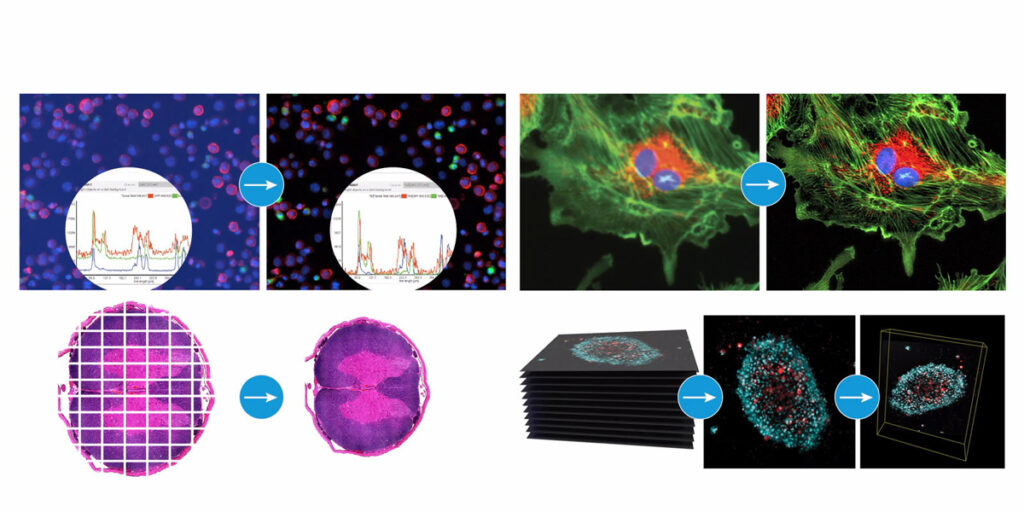
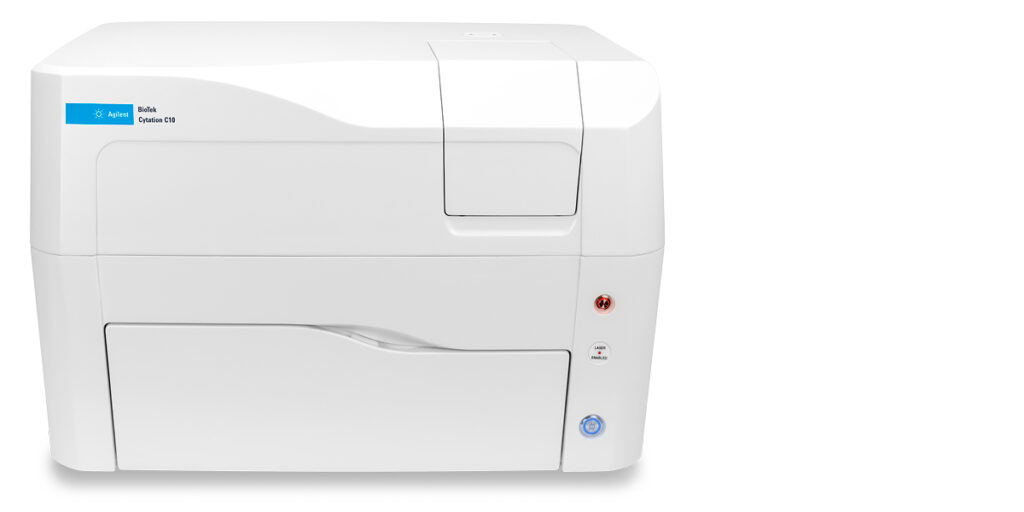
When you need to bring cost-effective, automated spinning-disk confocal microscopy to a lab, the Agilent BioTek Cytation 10 is a bench-size microplate imaging and analysis workhorse. It combines automated confocal and widefield microscopy with conventional multimode microplate reading in a unique, proprietary design. The automated water-immersion objectives capture more light, driving lower exposure times and reducing phototoxic impacts on live cells. It’s an easy-to-use instrument that delivers high quality analysis.
By partnering with us, laboratories gain access not only to advanced technology but also to comprehensive support services, including training, maintenance, and technical assistance. This ensures that researchers can focus on innovation while relying on robust, reliable equipment.
The versatility and precision of multi-mode microplate readers have made them essential in modern laboratories. From nucleic acid quantification to enzyme kinetics, these instruments offer unparalleled capabilities that streamline workflows and drive innovation. By delivering on our commitment to top-tier laboratory solutions, researchers can confidently tackle emerging challenges and push the boundaries of discovery.
In the world of biopharmaceuticals, precision and safety are non-negotiable. As companies work to develop advanced therapies and biologics, the role of analytical testing becomes ever more critical. Analytical testing serves as the backbone of biopharma development, ensuring that every product released to the market meets stringent regulatory standards while maintaining the highest safety and efficacy levels. Chemetrix supports this vital process by equipping laboratories with state-of-the-art technologies to optimise testing workflows and ensure regulatory compliance.
Why Analytical Testing Matters in Biopharma
Biopharmaceutical products, including monoclonal antibodies, cell and gene therapies, and vaccines, are inherently complex. Unlike traditional small-molecule drugs, these products are often derived from living cells, making them highly sensitive to variations in manufacturing and storage conditions.
Analytical testing ensures the quality, purity, potency, and stability of biopharmaceuticals throughout their lifecycle, from early development to final product release.
Without rigorous testing, even minor inconsistencies in a product can lead to reduced efficacy, compromised safety, or regulatory non-compliance. By employing advanced analytical methods, biopharma companies can identify impurities, confirm molecular structures, and monitor critical quality attributes (CQAs) that are essential for maintaining product integrity.
During the early stages of biopharma development, testing focuses on characterising the biological product and defining CQAs. Techniques such as mass spectrometry, high-performance liquid chromatography (HPLC), and spectroscopy play a central role in these analyses. These tools help determine factors like molecular weight, structural integrity, and glycosylation patterns.
Process development
As manufacturing processes are developed, analytical testing ensures consistency and scalability. Process-related impurities, such as host cell proteins or residual solvents, must be identified and quantified. Additionally, methods like capillary electrophoresis and liquid chromatography-mass spectrometry (LC-MS) are employed to optimise purification steps and ensure process robustness.
Final product release
Before a product reaches the market, it undergoes comprehensive testing to confirm that it meets regulatory specifications. This includes assays for potency, sterility, endotoxin levels, and stability. Modern analytical platforms, such as multi-mode plate readers and automated systems, provide the throughput and accuracy needed for these critical assessments.
Trends in Analytical Testing for Biopharma
Emergence of advanced techniques
The biopharma industry is increasingly adopting technologies like LC-MS and next-generation sequencing (NGS) to enhance analytical capabilities. These methods allow for greater sensitivity and specificity, enabling researchers to detect low-level impurities and subtle molecular changes that could impact product performance.
Adoption of automation and AI
Automation is transforming analytical testing, reducing human error and increasing throughput. AI-driven software is also being integrated into testing workflows, enabling predictive analytics and more efficient data interpretation.
Focus on emerging therapies
The rise of cell and gene therapies has introduced new challenges for analytical testing. These therapies require novel analytical approaches to address their unique complexities, such as the characterisation of viral vectors and the assessment of genome editing outcomes.
Regulatory compliance and data integrity
With stringent guidelines from organisations like the FDA and EMA, ensuring data integrity has become a top priority. Advanced software systems with audit trails and robust data management capabilities are increasingly essential in biopharma testing.
Chemetrix is at the forefront of supporting biopharma companies with advanced analytical solutions. By offering cutting-edge instruments and technologies, we help laboratories address the challenges of testing biologics and other complex products.
We provide access to industry-leading platforms, including HPLC systems, LC-MS, and next-generation spectroscopy tools. These technologies are designed to deliver high sensitivity and precision, ensuring that every aspect of a biopharmaceutical product is rigorously tested.
The new generation Agilent 1260 Infinity III is a robust instrument that delivers the performance, reliability, and robustness you need for the highest confidence in daily HPLC results. With the freedom to mix and match new modules with existing HPLC instrumentation, it’s possible to maximise uptime and minimise disruption while also getting on the fast track to efficiency, optimizing speed and resolution for analysis.
Moreover, Chemetrix offers comprehensive support services, from installation and training to ongoing maintenance and technical assistance. This ensures that labs can maximise the performance of their analytical equipment and stay ahead of industry demands.
The importance of analytical testing in biopharma cannot be overstated. As the industry continues to evolve, the need for advanced testing methods will only grow. By leveraging state-of-the-art technologies and partnering with trusted providers like Chemetrix, biopharma companies can ensure the safety, efficacy, and quality of their products while meeting regulatory expectations. With our commitment to innovation and excellence, Chemetrix stands as a trusted ally for laboratories navigating the complexities of biopharma analytical testing.