Step into a world where precision, performance, and innovation converge. The Chemetrix Industrial & Environmental Spectroscopy Roadshow, in partnership with Agilent Technologies and Veolia, brings together analytical excellence and industrial insight to explore how light – in all its forms – is transforming the way we measure, monitor, and protect our world.
Join leading experts for an illuminating day of discussions and discovery in Atomic Spectroscopy and Total Organic Carbon (TOC) analysis. Learn how these technologies are driving smarter, more sustainable decisions across industries – from environmental testing to industrial process control.
Agenda
Veolia Sievers TOC Analyzers for Industrial & Environmental Applications
Part 1 – Clean Water:
Introduction to the Sievers I&E Product Portfolio
M-Series Technology
Condensate & Boiler Feed Water Applications
Drinking Water & Reuse Applications
Part 2 – Contaminated Water:
InnovOx Technology
Industrial Water Applications
Food & Beverage Applications
Desalination & Brine Applications
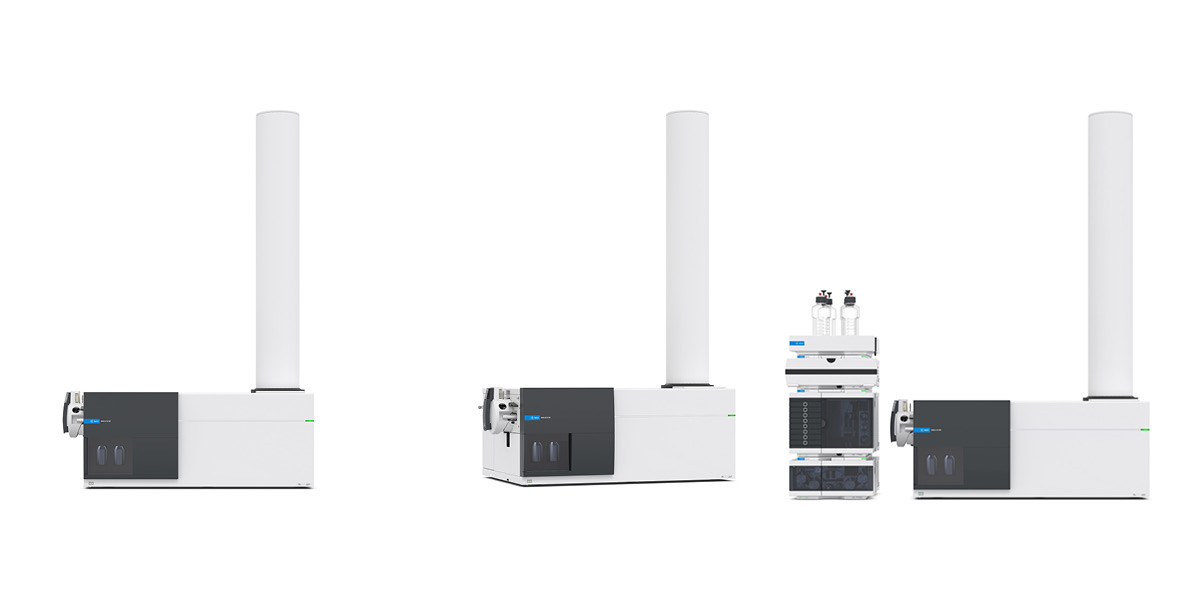
Agilent Atomic Spectroscopy Solutions for Industrial & Environmental Applications
Part 1:
Agilent Atomic Spectroscopy Portfolio Overview
Analysis of Water Samples using Agilent ICP-MS Systems
Overcoming High-Matrix Sample Challenges through Optimized ICP Methods
Part 2:
Unlocking Mining, Food & Environmental Applications with Agilent ICP-OES 5800/5900
Choosing Between Single-Quad ICP-MS and Triple-Quad ICP-MS/MS
Coupling HPLC to ICP-MS for Speciation Applications
Chemetrix Consumables & Sample Preparation
New consumable products to optimise performance and reduce downtime
Practical guidance on sample preparation workflows
Why Attend?
Gain insight into real-world industrial and environmental applications.
Learn from industry and technical experts on how to enhance precision, productivity, and sustainability in your lab.
Network with fellow professionals shaping the future of analytical science.
Why are large imaging files a growing challenge in research labs at year-end?
As research institutes and life science laboratories face the year-end rush, one often overlooked hurdle is the surge in imaging data. Modern tools generate extremely large files – sometimes gigabytes per sample. Multiplied across hundreds or thousands of datasets, this can strain storage systems and IT workflows, risking delays when deadlines are most critical.
The impact of overwhelming data loads
Without the right tools, labs may face storage capacity issues, slow rendering, and longer wait times to review datasets. This reduces throughput and jeopardises the timely completion of experiments, publications, and grant reports – especially during peak year-end periods.
Smarter image analysis with Agilent BioTek Gen5 Software
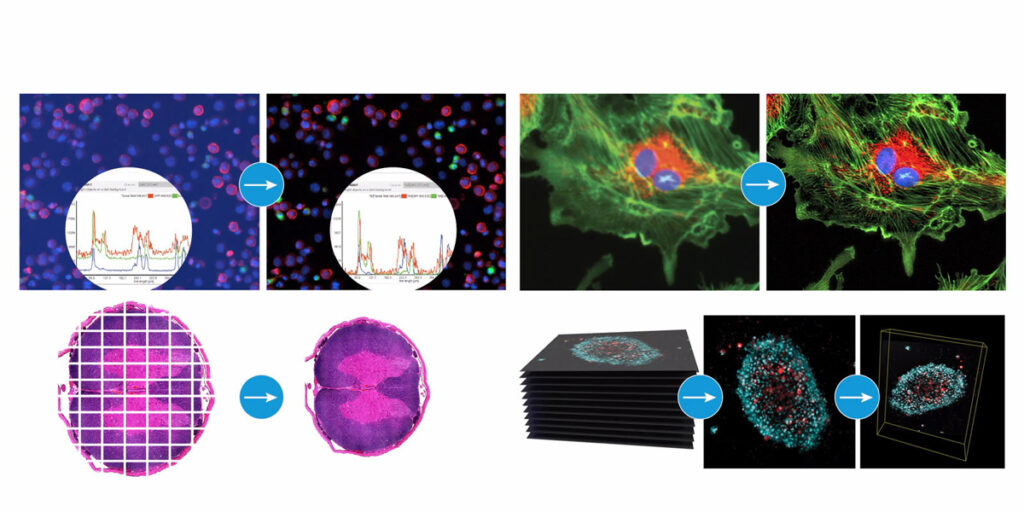
Agilent BioTek Gen5 Software for Imaging & Microscopy streamlines image capture, processing, and analysis within one interface. Researchers can design 2D or 3D workflows in widefield or confocal imaging, supported by modules for in-depth analysis across a wide range of cell applications.
Key capabilities include:
Single image capture, montaging, Z-stacking, and beaconing
Advanced processing such as background removal, deconvolution, stitching, Z-projection, and 3D rendering
Automated functions including confluence determination, object counting, neurite outgrowth analysis, spot counting, and single object tracking
Built-in tools for exporting high-resolution images, graphs, and kinetic movies
By reducing technical bottlenecks, Gen5 helps researchers generate insights faster – a real advantage when deadlines are tight.
Biofilms have an inherent three-dimensional structure that can be reconstructed using confocal microscopy. While widefield imaging captures compositional properties, confocal laser scanning microscopy (CLSM) reduces out-of-focus light and background interference, improving image quality when analysing live biofilms at varying focal depths.
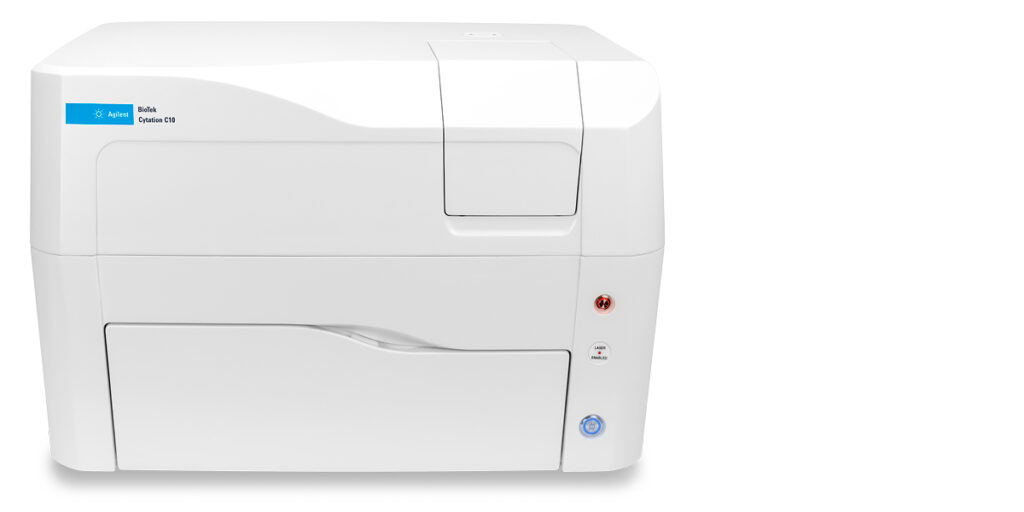
In addition to managing large image files, life science researchers are also exploring deeper biological insights – such as how microorganisms form biofilms on tissues, experimental surfaces, or model systems, which can influence disease models and basic biological research. Agilent’s solutions underscore the importance of properly visualising these complex, three-dimensional microbial communities. The Cytation C10 Confocal Imaging Reader is well-suited for biofilm research. Combining widefield and confocal modes with environmental control, it captures high-quality, live-cell images of thick multicellular structures. Confocal optics layered over plate-reader modalities allow researchers to visualise biofilm architecture and metabolic activity while keeping file sizes manageable.
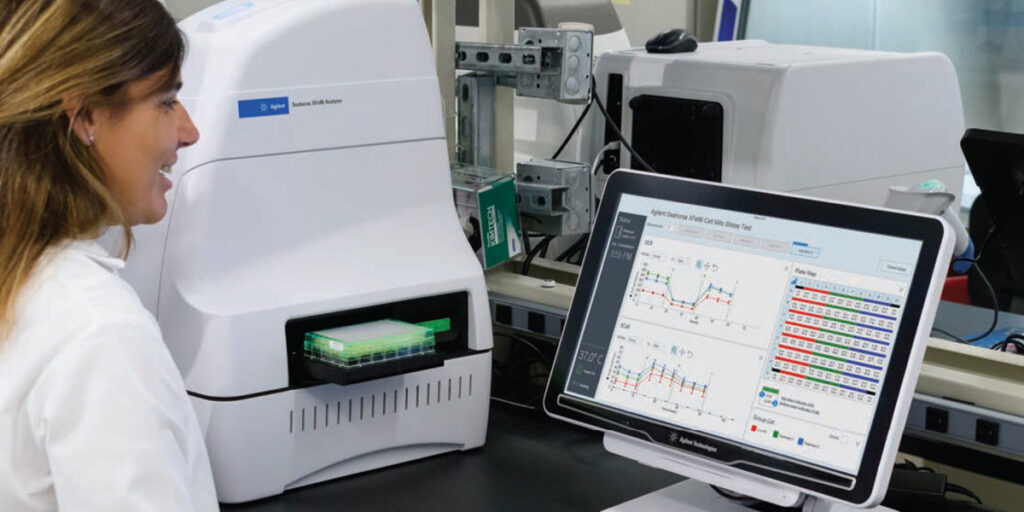
Researchers also need insights that go beyond imaging data. The new Agilent Seahorse XF Flex Analyzer complements imaging by enabling real-time analysis of live-cell metabolism in both 2D and 3D models. This provides functional insights without adding to data storage burdens, helping labs interpret results faster.
Automated workflows for file transfer, compression, and retrieval reduce manual workload and delays. This frees scientists to focus on data interpretation rather than technical troubleshooting, improving accuracy and turnaround times.
South African research institutions balance academic projects and industry collaborations, each with unique reporting demands. Scalable imaging systems help labs manage seasonal surges and diverse sample types without compromising quality or speed.
Ready to optimise your lab’s workflows this festive season?
Agilent’s advanced imaging solutions – including the Cytation C10 Confocal Imaging Reader, BioTek Gen5 Software, and Seahorse XF Flex Analyzer – help labs improve efficiency, reduce delays, and deliver results faster. Complementary methods like holotomography can provide additional insights, expanding analytical possibilities.
Contact us to learn more about Agilent’s solutions for life science research.
With the holiday season fast approaching, South Africans are gearing up for warm-weather celebrations, stocking up on water-repellent jackets, quick-dry swimwear and stain-resistant tablecloths. But behind the seasonal sparkle lies a silent concern: PFAS, or per- and polyfluoroalkyl substances.
Nicknamed “forever chemicals” for their resistance to breakdown, PFAS are commonly used in textiles to enhance durability and repel liquids. However, their environmental persistence and health risks, ranging from hormonal disruption to cancer, have made them a growing concern worldwide.
As international regulations tighten, textile retailers, importers and labs in South Africa must prepare to detect and manage PFAS contamination.
Detecting PFAS in fabric isn’t like testing for surface-level contaminants. These chemicals can:
Be present in ultra-trace amounts
Be embedded in complex synthetic fibres
Require extensive and delicate preparation before testing
Traditional methods rely heavily on manual prep, increasing the risk of human error. For busy labs and testing facilities, especially in high-demand seasons, this leads to:
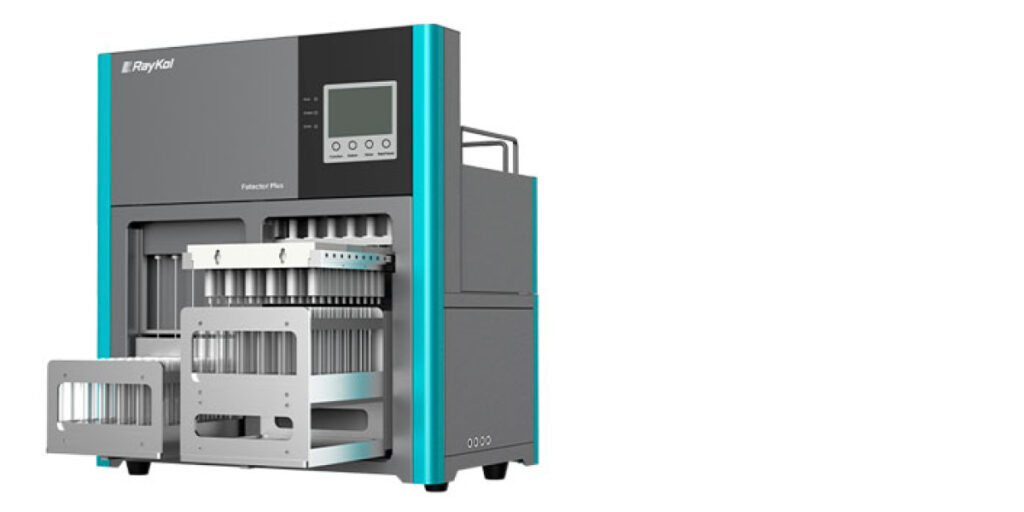
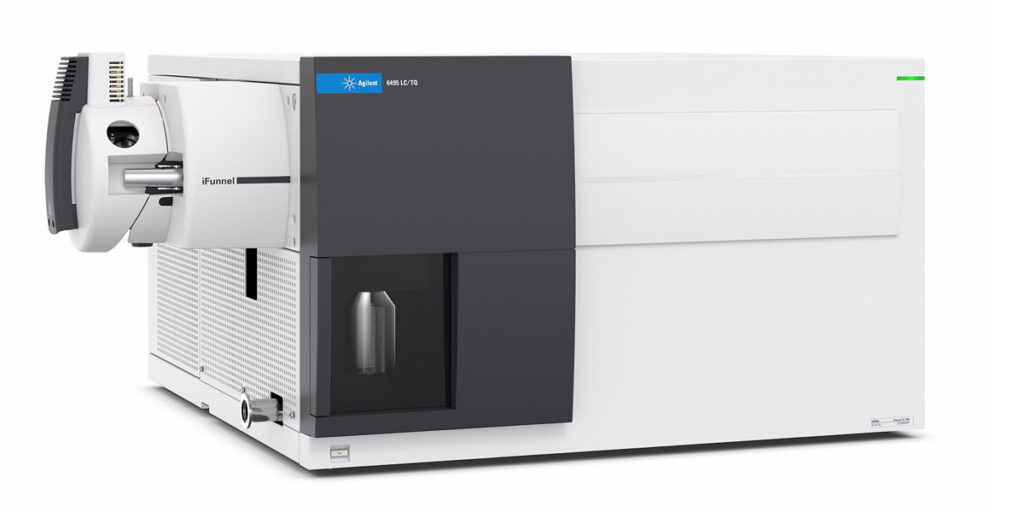
Forward-looking labs are turning to automation to solve these pain points. By integrating Agilent’s LC/MS instruments with Raykol’s automated SPE (Solid Phase Extraction) systems, labs can drastically improve their efficiency and precision.
Benefits of this approach include:
Faster processing of large sample volumes
Minimised manual intervention
Higher consistency and reproducibility
Freed-up lab staff for data analysis rather than repetitive prep tasks
This workflow is especially valuable during South Africa’s high-spend festive months, where time and accuracy are critical.
How does Raykol’s automated SPE system improve sample prep?
Sample preparation is often the most manual and error-prone stage of PFAS testing. Raykol’s Fotector SPE platform automates this process, reducing variability and increasing throughput.
Agilent LC/MS: Trusted precision for PFAS detection
Agilent’s Liquid Chromatography/Mass Spectrometry (LC/MS) systems are purpose-built to detect ultra-low concentrations of PFAS in even the most complex textile materials.
These platforms help labs:
Comply with global regulations (e.g. EU REACH, US EPA, SAICM)
Process large test batches without compromising accuracy
Stay competitive by delivering reliable, compliant results on time
While regulation is a key driver, the real value of PFAS detection goes beyond ticking boxes. South African retailers and importers who adopt rigorous testing practices also gain:
Consumer trust during peak sales seasons
Brand differentiation as safety-conscious and transparent
Supply chain resilience against new international bans or restrictions
Preparedness for the expanding global push toward PFAS elimination
Case in point: A South African home textile importer recently adopted Agilent + Raykol systems and achieved a 60% reduction in turnaround time, enabling full compliance with updated EU restrictions before they took effect.
What’s next? Build a smarter PFAS detection strategy
PFAS are here, regulations are rising, and expectations around chemical safety are increasing fast. Now’s the time to modernise your PFAS testing workflows with automation and precision analytics.
Make your lab smarter, faster, and fully compliant – before it’s mandatory.
Imagine a chemical so persistent that it resists breaking down in the environment, earning it the nickname “forever chemical.” Per- and polyfluoroalkyl substances (PFAS) are just that—synthetic compounds found in everyday items like non-stick cookware, waterproof clothing, and firefighting foams. While their durability made them industrial favourites, this same resilience has led to widespread environmental contamination. In South Africa, the presence of PFAS in water sources is becoming an increasing concern, prompting questions about their impact on health and the environment.
Unpacking the PFAS puzzle
PFAS have been linked to various health issues, including hormonal disruptions, immune system effects, and certain cancers. Their ability to accumulate in the human body and the environment makes them particularly worrisome. In South Africa, studies have detected PFAS in water sources, raising alarms about potential exposure. However, detecting and analysing these compounds is no simple task. Their chemical stability and low concentrations in environmental samples pose significant challenges for laboratories, necessitating advanced analytical techniques and instruments.
Traditional analytical methods often fall short when it comes to detecting the vast array of PFAS compounds, especially at trace levels. Non-targeted analysis (NTA) and suspect screening have emerged as crucial approaches, allowing scientists to identify both known and unknown PFAS compounds in various matrices. However, these methods require high-resolution mass spectrometry and sophisticated data analysis capabilities. In South Africa, the adoption of such advanced techniques is still in its nascent stages, highlighting the need for enhanced laboratory infrastructure and expertise to effectively monitor and manage PFAS contamination.
The Agilent Ultivo LC/MS system offers a compact yet powerful solution for PFAS analysis. Designed for high-throughput laboratories, it combines sensitivity and robustness, making it ideal for detecting low levels of PFAS in complex environmental samples.
Key benefits:
Compact Design: Saves valuable laboratory space without compromising performance.
High Sensitivity: Detects trace levels of PFAS, ensuring accurate quantification.ScienceDirect
Robust Performance: Handles complex matrices with minimal maintenance requirements.
User-Friendly Interface: Simplifies operation and data analysis, reducing training time.
Chemetrix provides comprehensive support for the Ultivo LC/MS, including installation, training, and maintenance services, ensuring laboratories can maximise the instrument’s capabilities.
Comprehensive analysis
For laboratories seeking advanced capabilities, the Agilent 6546 LC/Q-TOF system offers high-resolution mass spectrometry for both targeted and non-targeted PFAS analysis. Its accurate mass measurements and fast acquisition rates enable the identification of a wide range of PFAS compounds, including emerging contaminants.
Key benefits:
High-Resolution Detection: Accurately identifies and quantifies known and unknown PFAS compounds.
Fast Acquisition Rates: Enhances throughput, allowing for the analysis of more samples in less time.
Advanced Data Analysis: Facilitates complex data interpretation with integrated software tools.
Versatility: Suitable for various applications, from environmental monitoring to product safety assessments.
Chemetrix offers expert guidance and technical support to integrate the 6546 LC/Q-TOF into laboratory workflows, ensuring optimal performance and data quality.
Building a safer future
By adopting advanced analytical instruments like the Agilent Ultivo LC/MS and 6546 LC/Q-TOF, South African laboratories can significantly enhance their PFAS detection capabilities. These tools not only improve the accuracy and efficiency of analyses but also empower scientists to better understand and mitigate the risks associated with PFAS contamination. With Chemetrix as a trusted partner, laboratories gain access to cutting-edge technology and dedicated support, fostering a proactive approach to environmental health and safety.
Addressing the challenges posed by PFAS requires collaboration, innovation, and the right tools. Chemetrix is committed to supporting South African laboratories in their efforts to detect, analyse, and manage PFAS contamination. Contact Chemetrix today to learn more about our solutions and how we can assist your laboratory in safeguarding public health and the environment.
The rapid development of mRNA vaccines during the COVID-19 pandemic showcased the transformative potential of this technology. Now, scientists are exploring its applications beyond infectious diseases, venturing into areas like cancer treatment and personalised medicine. The horizon is expanding, and with it, the promise of more targeted and effective therapies.
Navigating the complexities of mRNA vaccine development
While mRNA vaccines offer numerous advantages, including rapid development and adaptability, they also present unique challenges.
Ensuring stability, efficient delivery, and robust immune responses are critical hurdles.
Moreover, as applications diversify, there’s a growing need for advanced tools to monitor cellular responses and metabolic changes in real-time. Laboratories require integrated solutions to streamline workflows and enhance data accuracy.
Recent advancements have led to the development of self-amplifying RNA (saRNA), which can replicate within host cells, producing higher protein levels with lower doses.
This innovation holds promise for more efficient vaccines and therapies. Additionally, novel delivery systems, such as lipid nanoparticles, are being refined to improve mRNA stability and targeting. These scientific strides necessitate sophisticated laboratory instruments capable of detailed cellular analysis and metabolic profiling.
The Agilent BioTek Cytation 7 Cell Imaging Multimode Readeris a versatile instrument that combines automated digital microscopy and conventional multi-mode detection. This integration allows researchers to capture high-quality images and quantitative data from live cells, providing insights into morphological changes and protein expression levels.
Key benefits:
High-Resolution Imaging: Captures detailed cellular images, facilitating the observation of morphological changes and intracellular processes.
Multi-Mode Detection: Combines fluorescence, luminescence, and absorbance detection methods, enabling comprehensive analysis in a single platform.
Automated Workflows: Streamlines experimental procedures with automated plate handling and image acquisition, increasing throughput and reproducibility.
Environmental Control: Maintains optimal conditions for live-cell imaging, ensuring cell viability during extended experiments.
Chemetrix offers full support for the Cytation 7, including installation, training, and maintenance services, ensuring laboratories can maximise the instrument’s capabilities.
Flexible detection for evolving demands
The Agilent BioTek Synergy H1 Multimode Reader is a powerful and flexible instrument designed to adapt to the evolving needs of modern laboratories. It supports multiple detection modes including fluorescence, luminescence, and absorbance, making it ideal for a wide range of mRNA-related assays. With its monochromator-based optics, the Synergy H1 allows precise wavelength selection without the need for filters, offering both sensitivity and versatility. Whether you’re quantifying nucleic acids, monitoring protein expression, or validating assay performance, this platform delivers high-quality data with ease. Chemetrix provides full local support for the Synergy H1, ensuring optimal integration into your lab’s workflow.
Monitoring real-time cellular dynamics
Understanding how cells respond to mRNA-based interventions over time is crucial. The Agilent xCELLigence RTCA eSight system provides real-time, label-free analysis of cellular events, combining impedance-based measurements with live-cell imaging. This dual approach offers a comprehensive view of cell health, proliferation, and cytotoxicity.
Label-Free Detection: Eliminates the need for fluorescent or luminescent labels, preserving cell integrity and reducing assay complexity.
Integrated Imaging: Combines impedance data with high-quality images, offering a multifaceted perspective on cellular behaviour.
Flexible Experimental Design: Accommodates various cell types and assay formats, supporting a wide range of research applications.
Chemetrix ensures seamless integration of the xCELLigence RTCA eSight into laboratory workflows, providing expert guidance and technical support.
Empowering research for a healthier future
By leveraging advanced instruments like the Cytation 7 and xCELLigence RTCA eSight, researchers can gain deeper insights into cellular mechanisms and treatment effects. These tools not only enhance data quality but also accelerate the development of next-generation mRNA vaccines and therapies. With Chemetrix as a trusted partner, laboratories are well-equipped to navigate the evolving landscape of biomedical research.
Stay at the forefront of mRNA vaccine development by integrating cutting-edge technologies into your research. Contact Chemetrix today to learn how our solutions can support your laboratory’s goals and drive scientific innovation.
While cancer’s visible symptoms capture our attention, it’s the invisible metabolic processes within cells that truly drive the disease. Cancer cells reprogram their metabolism to fuel rapid growth, resist treatments, and evade the immune system. Understanding these metabolic changes isn’t just academic curiosity; it’s the key to developing more effective, targeted therapies that can outsmart cancer at its most fundamental level
The challenge: Decoding cancer’s metabolic complexity
Cancer metabolism is far more intricate than simply “cells growing fast.” Tumour cells undergo profound metabolic reprogramming, switching energy production pathways, altering nutrient consumption, and even changing how they communicate with surrounding tissues. This metabolic flexibility makes cancer particularly challenging to treat.
Traditional research methods often provide only snapshots of cellular activity, missing the dynamic changes that occur over time. What researchers need are technologies that can monitor these metabolic processes as they happen, providing real-time insights into how cancer cells behave and respond to potential treatments.
Modern cancer research demands technologies that can capture the full picture of cellular metabolism in real-time. Two revolutionary platforms are transforming how scientists study cancer metabolism, offering unprecedented insights into cellular behaviour and treatment responses.
Comprehensive metabolic profiling with Seahorse technology
Oxygen Consumption Rate(OCR) and Extracellular Acidification Rate(ECAR) are key indicators of mitochondrial respiration and glycolysis and these measurements provide a systems-level view of cellular metabolic function in cultured cells. The Agilent Seahorse XFe96 Analyzer represents a breakthrough in metabolic analysis, allowing researchers to measure both OCR and ECAR simultaneously in live cells.
Key capabilities for cancer research:
Real-Time Metabolic Measurements: Monitor how cancer cells switch between different energy production pathways, revealing metabolic vulnerabilities that could be targeted therapeutically.
Drug Response Analysis: Agilent Seahorse XF technology provides critical functional measurements in live cells to identify potential druggable gene and protein targets, and to validate their role in cancer cell proliferation, adaptation, and survival.
High-Throughput Screening: The 96-well format enables researchers to test multiple conditions simultaneously, accelerating the pace of discovery in metabolic drug development.
Dynamic cell behaviour analysis with xCELLigence technology
The Agilent xCELLigence RTCA eSight is an advanced real-time cell analysis system that enables comprehensive insight into a cell’s health, behaviour, function, and biological processes using live, simultaneous, and real-time biosensor-based and image-based measurements.
This innovative platform combines impedance-based monitoring with live-cell imaging, providing a complete picture of cellular responses to metabolic interventions.
Key advantages for cancer metabolism studies:
Label-Free Monitoring: The xCELLigence RTCA instrument uses noninvasive electrical impedance monitoring to quantify cell proliferation, morphology change, and attachment quality in a label-free, real-time manner, allowing for continuous observation without disturbing cellular processes.
Multi-Modal Analysis: Simultaneous impedance measurements and fluorescence imaging provide complementary data on cell viability, proliferation, and metabolic activity.
Treatment Response Tracking: Monitor how cancer cells respond to metabolic inhibitors or combination therapies over extended periods, revealing both immediate and delayed effects.
Morphological Changes: Observe real-time changes in cell morphology that accompany metabolic reprogramming, providing visual confirmation of cellular responses.
By combining these advanced technologies, researchers can now:
Identify Metabolic Vulnerabilities: Discover specific metabolic pathways that cancer cells depend on for survival, revealing new therapeutic targets.
Optimise Combination Therapies: Understand how metabolic inhibitors work in combination with traditional treatments, potentially improving efficacy while reducing side effects.
Personalise Treatment Approaches: Characterise the metabolic profiles of different cancer types and subtypes, enabling more precise treatment selection.
Accelerate Drug Development: Rapidly screen potential metabolic inhibitors and validate their mechanisms of action in relevant cellular models.
Your gateway to advanced cancer metabolism research
The future of cancer treatment lies in understanding and targeting the metabolic engines that drive tumour growth and resistance. Chemetrix provides researchers with access to these cutting-edge technologies, along with the expertise needed to unlock their full potential.
Our comprehensive support includes:
Expert consultation on experimental design and methodology
Technical training and ongoing support
Method development and optimisation
Data analysis and interpretation guidance
Ready to advance your cancer metabolism research?
The battle against cancer requires the most sophisticated tools science can provide. With Seahorse and xCELLigence technologies, you have the power to see cancer metabolism in real-time, revealing new possibilities for treatment and hope for patients.
In the realm of pharmaceutical and medical device manufacturing, ensuring product safety is paramount. Bacterial Endotoxin Testing (BET) plays a crucial role in this process, traditionally relying on significant volumes of Limulus Amebocyte Lysate (LAL) derived from horseshoe crabs. However, advancements in technology are paving the way for more efficient and sustainable testing methods.
Navigating the complexities of traditional BET
Traditional BET methods, such as the gel clot and 96-well plate assays, have been the standard for decades. While effective, these techniques often involve substantial volumes of LAL, raising concerns about sustainability and cost. Moreover, the manual nature of these assays can lead to increased labour, potential for human error, and challenges in maintaining compliance with stringent regulatory standards.
The need for meticulous documentation and validation further complicates the process, making it both time-consuming and resource-intensive.
The Sievers Eclipse Bacterial Endotoxins Testing (BET) Platform emerges as a transformative solution addressing the limitations of traditional BET methods. Leveraging precise microfluidic liquid handling, the Eclipse platform automates kinetic chromogenic assays, significantly reducing manual intervention.
This innovation not only decreases assay setup time by up to 85% but also reduces LAL reagent consumption by up to 90%, promoting sustainability.
Furthermore, the platform fully complies with harmonised pharmacopeial requirements, including USP <85>, EP 2.6.14, and JP 4.01, ensuring data integrity and regulatory adherence. By simplifying workflows and enhancing precision, the Eclipse platform represents a significant advancement in endotoxin testing.
Chemetrix, as a trusted partner in laboratory solutions, offers comprehensive support for integrating the Sievers Eclipse BET Platform into your operations. Our services include installation and validation assistance, user training, and ongoing technical support to maximise the platform’s capabilities. With Chemetrix’s expertise, laboratories can confidently transition to more efficient and sustainable BET practices.
Achieving sustainability goals
The Sievers Eclipse BET Platform not only enhances operational efficiency but also contributes to environmental sustainability. By significantly reducing LAL usage, laboratories can lower their environmental impact and operational costs. Adopting the Eclipse platform reflects a commitment to ethical and environmentally conscious operations, aligning laboratory practices with broader sustainability objectives.
Laboratories that have adopted the Sievers Eclipse BET Platform report notable improvements, including increased throughput, enhanced data integrity, and regulatory confidence. These benefits underscore the value of modernising BET practices to meet current and future demands.
Elevate your laboratory’s endotoxin testing capabilities by embracing the Sievers Eclipse BET Platform. Chemetrix is ready to support your transition with expert guidance, comprehensive services, and ongoing support.
Contact Chemetrix today to learn how we can assist in enhancing your laboratory’s efficiency, sustainability, and compliance through innovative BET solutions.
Imagine being able to identify the composition of a substance without altering or destroying it.
This is the remarkable capability of spectroscopy – a technique that allows scientists to “see” the invisible by analysing how light interacts with matter. In South African laboratories, spectroscopy plays a crucial role in ensuring the safety of our water, the efficacy of our medications, and the quality of our food.
The challenge of accurate, non-destructive analysis
In laboratories across South Africa, identifying and quantifying complex substances is a key challenge. Traditional methods often require time-consuming preparation and can be destructive. FTIR spectroscopy offers a non-destructive solution, making it ideal for lithium-ion battery (LIB) research. The Agilent Cary 630 FTIR spectrometer helps scientists analyse critical battery components, such as electrodes, electrolytes, and polymers, with speed and precision. This allows for better optimisation of materials, leading to more efficient, durable, and cost-effective batteries; paving the way for safer and high-performance energy storage solutions.
There is a growing need for techniques that are both precise and non-invasive, allowing for rapid analysis without compromising the integrity of the sample.
Spectroscopy encompasses a range of techniques that measure the interaction between light and matter to identify and quantify various substances.
Key methods include:
UV-Vis Spectroscopy: Utilises ultraviolet and visible light to determine the concentration of analytes in solution, commonly used in pharmaceutical and environmental testing.
FTIR Spectroscopy: Employs infrared light to obtain an absorption spectrum, useful for identifying organic compounds and functional groups in a sample.
Raman Spectroscopy: Measures the scattering of light to provide information about molecular vibrations, aiding in the identification of chemical structures.
These techniques are valued for their ability to provide detailed information with minimal sample preparation and without destroying the sample, making them indispensable tools in modern laboratories.
Simplifying analysis
The Agilent Cary 630 FTIR Spectrometer offers a compact and robust solution for laboratories requiring rapid and accurate infrared analysis. Its user-friendly interface and quick sampling capabilities make it ideal for routine testing in various industries, including pharmaceuticals and food safety.
Key benefits include:
Ease of Use: Designed for simplicity, allowing users to perform analyses with minimal training.
Accuracy: Provides reliable data for quality control and assurance processes.
By integrating the Cary 630 FTIR into their workflows, South African laboratories can achieve faster turnaround times and maintain high standards of analytical accuracy.
The Agilent Cary 3500 UV-Vis Spectrophotometer represents a significant advancement in ultraviolet-visible spectroscopy. Its innovative design and advanced features support a wide range of applications, from pharmaceutical development to environmental monitoring.
Temperature Control: Enables precise thermal regulation for temperature-sensitive analyses.
Robust Software: Offers comprehensive data analysis and reporting tools.
Implementing the Cary 3500 UV-Vis in South African labs enhances analytical capabilities, ensuring compliance with regulatory standards and supporting high-quality research outcomes.
Building a future of reliable and efficient laboratories
The adoption of advanced spectroscopy instruments like the Agilent Cary 630 FTIR and Cary 3500 UV-Vis empowers South African laboratories to meet the increasing demands for accurate, efficient, and non-destructive analysis.
These technologies not only improve current testing capabilities but also position labs to tackle future analytical challenges with confidence.
By partnering with Chemetrix, laboratories gain access to cutting-edge instruments, expert support, and comprehensive training, ensuring they remain at the forefront of scientific innovation.
Elevate your laboratory’s analytical performance by integrating state-of-the-art spectroscopy solutions. Chemetrix offers a range of Agilent instruments, including the Cary 630 FTIR and Cary 3500 UV-Vis, tailored to meet the specific needs of South African laboratories.
Contact Chemetrix today to learn more about how our spectroscopy solutions can enhance your laboratory’s capabilities and support your commitment to excellence in scientific analysis.
Would you still eat your favourite snack if you didn’t know what was in it?
Food safety isn’t just a matter of regulations – it’s a matter of trust. South African consumers expect transparency from the brands they support, and leading retailers like Woolworths know this. As shoppers become increasingly mindful of health and sustainability, the demand for rigorous food testing has never been higher.
Behind the scenes, laboratories like Microchem – supported by Chemetrix – are working tirelessly to ensure that what’s on your plate meets the highest standards of safety and quality.
The challenge facing South Africa’s retailers
In an age of global food supply chains and growing health concerns, food testing is no longer a “nice-to-have” – it’s essential.
Local retailers face mounting pressure to uphold not only national safety standards but also consumer expectations around integrity, traceability and clean labels.
For quality-driven retailers like Woolworths, the challenge lies in ensuring that food is tested accurately and efficiently, with results that can be trusted. From imported fruit and vegetables to locally produced meat and dairy, every product must be analysed for contaminants, residues and adulterants before reaching the shelves.
When ‘safe’ isn’t simple: The complex nature of food testing
Food safety testing involves identifying and quantifying chemical residues such as pesticides, mycotoxins, additives, allergens, and heavy metals. In particular, volatile organic compounds (VOCs) and environmental pollutants such as dioxins or plasticisers are increasingly under scrutiny.
The complexity of modern food products and their varied matrices – from fatty snacks to fibrous grains – presents analytical challenges that demand robust, high-sensitivity instruments. Traditional methods may struggle with accuracy, throughput, or regulatory compliance, especially when laboratories are expected to produce results quickly and cost-effectively.
One of the most significant breakthroughs in food testing is non-targeted screening, which allows labs to detect unknown or unexpected contaminants without having to pre-select specific compounds.
The Agilent 7250 GC/Q-TOF, available through Chemetrix, is purpose-built for this. It pairs high-resolution gas chromatography with time-of-flight mass spectrometry, enabling analysts to confidently identify trace compounds in complex food samples.
With this level of insight, labs like Microchem can test for a broader range of contaminants with exceptional clarity and speed. Whether it’s detecting pesticide residues in leafy greens or verifying additive levels in processed snacks, the 7250 GC/Q-TOF allows for greater coverage – and fewer blind spots.
For routine, high-throughput testing where speed and accuracy are vital, the Agilent 5977C GC/MSD remains the gold standard. This system excels at targeted analysis of known contaminants such as preservatives, residual solvents, and food packaging migration chemicals.
Its robust performance, low detection limits and smart functionality make it ideal for commercial labs needing reliable results under tight deadlines. In Microchem’s case, the 5977C allows for cost-efficient testing at scale – from raw materials to final packaging – without compromising quality or regulatory compliance.
At Chemetrix, we help our clients integrate instruments like the 5977C seamlessly into their workflows, providing technical support, training and ongoing guidance to keep things running smoothly.
Local food retailers benefit tremendously from having labs like Microchem – and partners like Chemetrix – at their side. With the right technology and know-how, they can proactively identify risks, validate supplier claims and guarantee product quality with confidence.
This builds not only safer food systems but stronger relationships with consumers. It’s why Woolworths continues to lead in the food retail sector – their commitment to testing, transparency and traceability has earned them long-standing trust from South African shoppers.
For laboratories, having a trusted technology partner like Chemetrix can be the difference between reactive testing and proactive problem-solving. We don’t just sell instruments – we deliver the confidence that comes from reliable, accurate, and efficient analysis.
Test smarter. Trust more. Partner better.
Food safety matters – and staying ahead of the curve requires the right tools, expert support and a commitment to excellence. Whether you’re a lab looking to expand your capabilities or a food retailer determined to protect your brand, Chemetrix is here to help.
Ready to see what’s really in your food – and prove it to your customers?
Explore our full range of solutions and connect with our team to learn how we can support your food testing goals with trusted Agilent technologies.
Industry events are wonderful gatherings of colleagues, peers, new potential business partners, and the scientific community that changes the world through the tools and support we’re able to provide. They’re a lot of fun and a chance to really connect with the sector to have meaningful discussions and forge productive relationships.
Businesses always consider the pros and cons of any event because, unfortunately, they aren’t free. With much consideration of budgets and strategic goals, there are various reasons why one should be a participant or perhaps why not to be part of it in any particular year. We at Chemetrix know you’ve read the title of this article and it’s true: We won’t be at analytica Lab Africa and we’d like to explain our decision.
Doing things differently
We are big fans of analytica Lab Africa as it’s the premier trade fair for the analysis, laboratory-technology and biotechnology sectors. It’s also the only event of its kind in South Africa. Lab Africa brings together scientists, entrepreneurs and users from around the world. It is the perfect platform for international business relations. In 2023, Chemetrix was an exhibitor at the event and it was a roaring success.
It is precisely because we were at the last Lab Africa that we’re choosing to not exhibit in 2025. We know the positives of the event and we’d like to try something different. Chemetrix is known for delivering tailored solutions for our valued customers. We’re not afraid to think differently and try something new when we know it can yield a positive result. So, we’re adopting a unique approach by not exhibiting.
A more personal experience
If you’re at Lab Africa 2025 and you’d still like to connect with Chemetrix, here’s what we can offer you:
A visit to our HQ: Our office is a short distance from Gallagher Convention Centre so, if you’re at Lab Africa, you’re welcome to come see us at your convenience.
One-on-one time with our experts: You can take your time and ask our knowledgeable team all the questions you may have. They’ll also be able to hear your needs and goals and offer solutions.
Product demos: We have instruments available to do demonstrations, allowing you to see them in action. It’s a front-row seat to all the state-of-the-art features and how these can benefit your lab.
Learn about our after-sales support: From training to troubleshooting, you can find out how we support your lab.
A great cup of coffee: If you need a break from Lab Africa, pop in and enjoy a fresh cup of coffee and a chat.
Exciting times ahead
Although this decision not to participate in the event may be surprising, it doesn’t mean that you won’t see Chemetrix at any industry events in the future. On the contrary, we look forward to showcasing our values, our excellent customer service, and our incredible portfolio of instruments at various events in the future. We might even be at the next Lab Africa.
For this year, we have a clear plan for how we’d like to be of service and build new and greater connections. There are wonderful developments on the horizon that include new instruments, our CSI initiatives, as well as our participation in Agilent and Seeding Labs’ project to distribute pre-loved instruments to organisations who need greater instrument accessibility.
Our company continues to grow and we are thrilled to have so many young South Africans applying for roles within Chemetrix. We are also excited to see our Kenya office bring the same level of excellence into the continent that we are well-known for in Southern Africa.
Chemetrix’s door is always open
If you aren’t able to be at Analytica Lab Africa this year, you can always contact us and make an appointment with one of our team members for a time that best suits you. Our support team is always ready to assist and we continue to provide valuable resources in our Library.
It’s all part of our promise and our continued reputation to help labs grow and thrive. The time is now for Africa to see its labs and incredible scientists shine when they’ve got the instruments that can drive the business forward. And Chemetrix is the partner that will be on that journey towards great success.