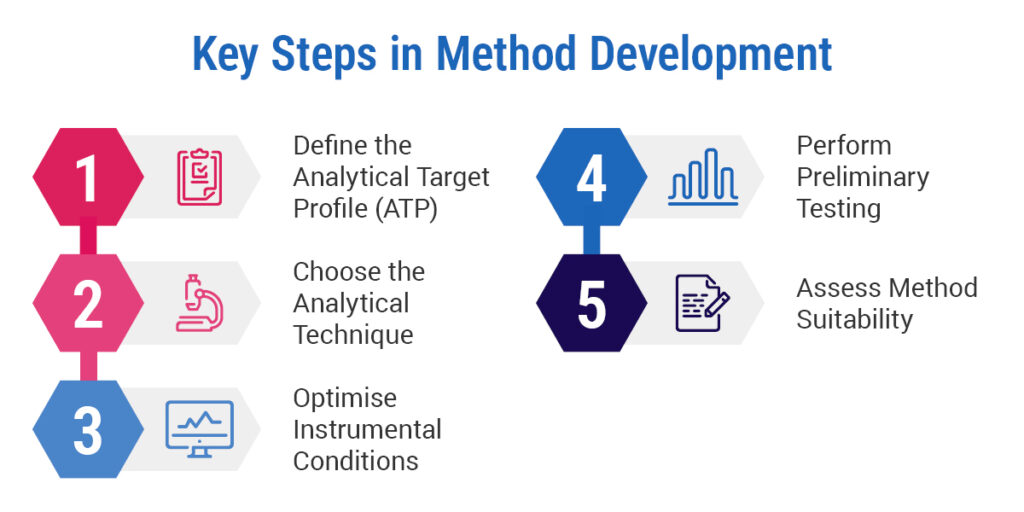
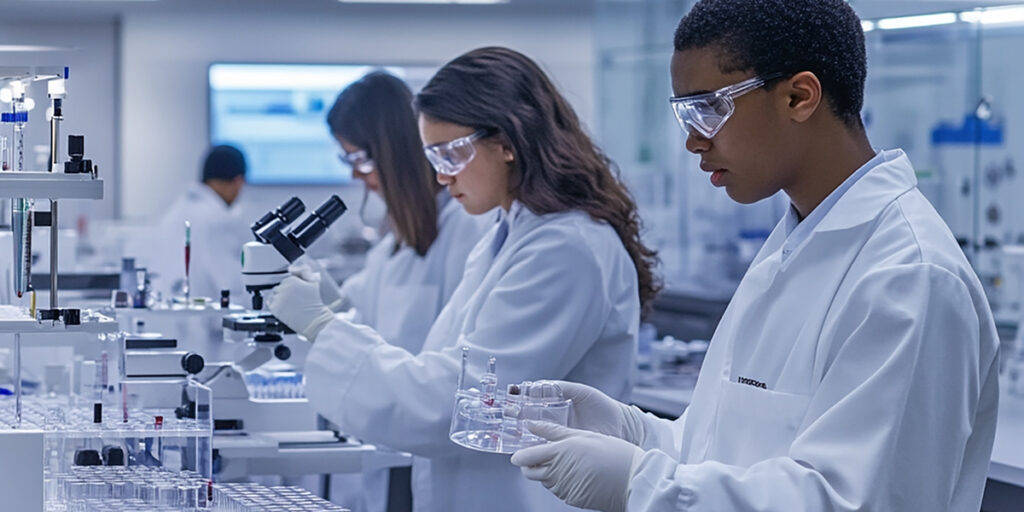
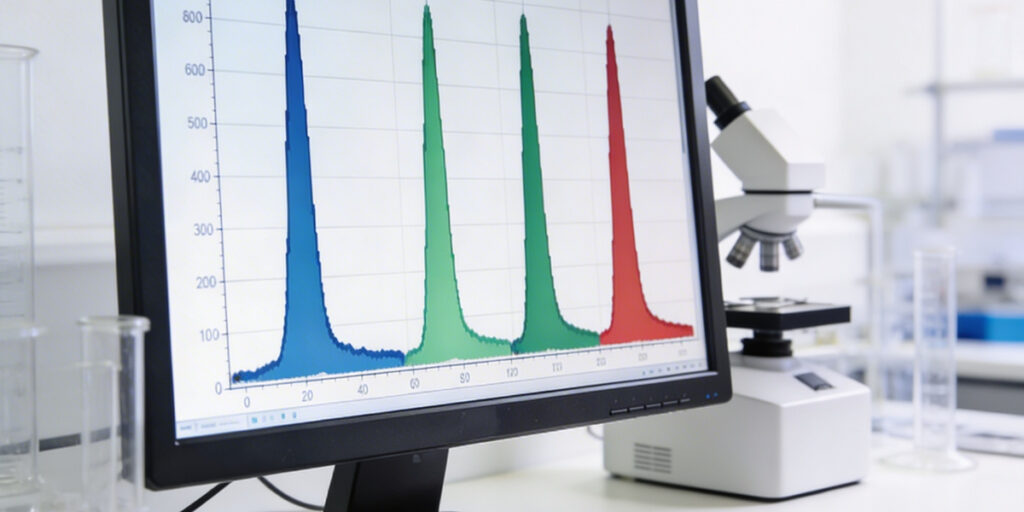
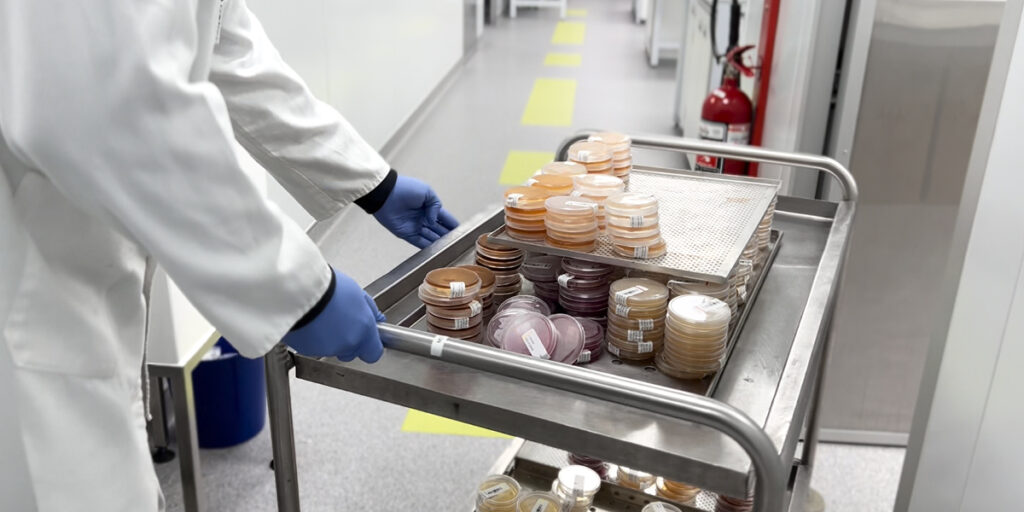
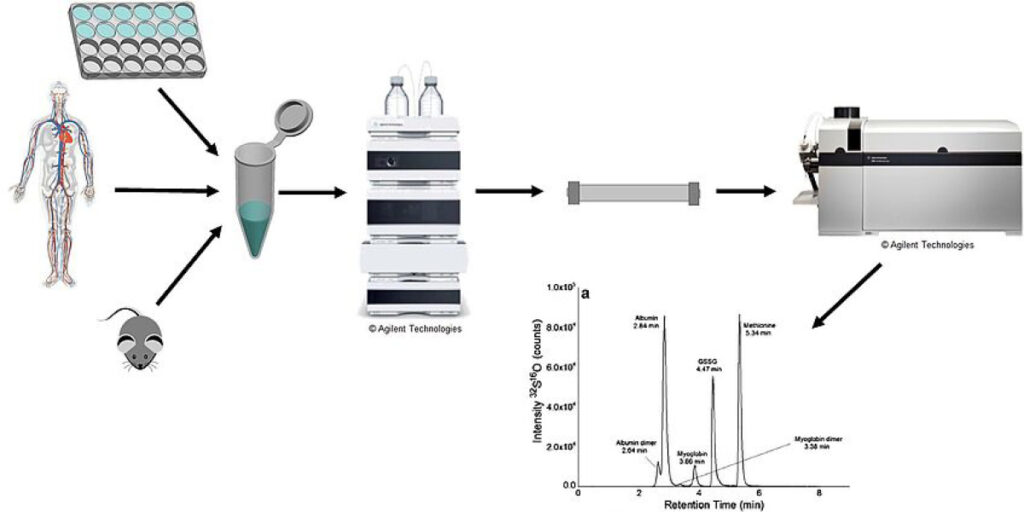
The pace of scientific discovery is no longer governed solely by the physical limits of manual experimentation. We are currently witnessing a shift that is as transformative as the invention of the microscope itself. Artificial Intelligence (AI) and advanced metabolomics are reshaping how science is conducted, moving research from a “trial-and-error” model to a predictive, data-driven discipline. By combining high-resolution analytical hardware with machine learning, laboratories can now solve complex biological challenges – such as developing animal-free culture media – with unprecedented speed.
The complexity of the modern workflow
In the fast-evolving landscape of biopharmaceuticals and cell biology, the reliance on traditional methods often leads to significant hurdles. For decades, the industry has relied on fetal bovine serum (FBS) to supplement cell culture media, despite its high costs, ethical concerns, and inherent inconsistency.
Many lab teams find themselves buried under mountains of raw data from complex matrices, struggling to identify which specific molecular components actually drive performance.
When dealing with undefined raw ingredients, such as plant and microbial extracts, understanding chemical composition is critical to ensuring batch-to-batch reproducibility and process continuity when scaling.
From raw peaks to actionable insights
The challenge in modern labs isn’t a lack of data; it is the complexity of interpreting high-dimensional datasets. Manual analysis of thousands of formulations is no longer feasible. As regulatory requirements for biologics become more stringent, the demand for defined, reproducible, and regulatory-compliant media has grown.
Advanced metabolomics provides the molecular profiling required to qualify raw materials, while AI handles the broad combinatorial screening. This synergy allows researchers to tailor media composition to specific cell lines, improving yield and efficiency across the drug development lifecycle.
Optimising media with LC/Q-TOF
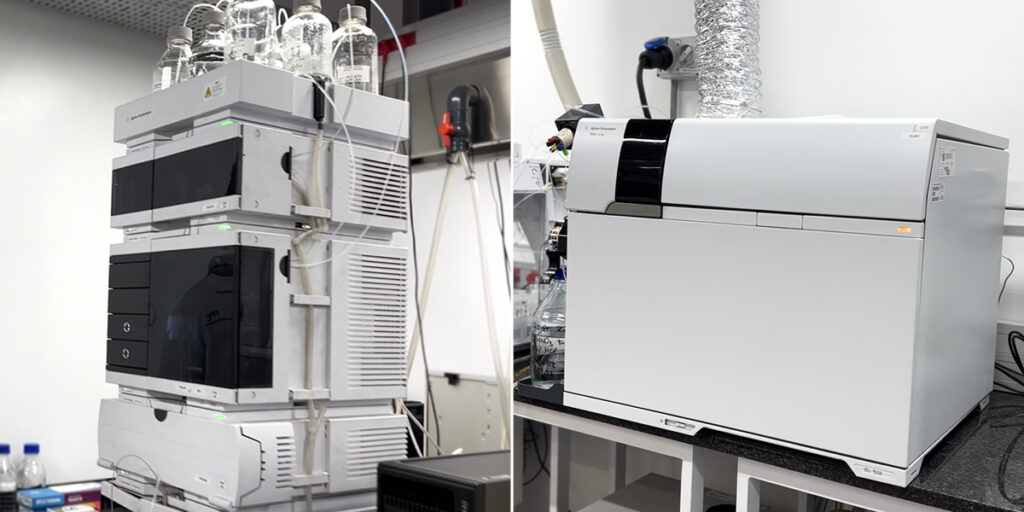
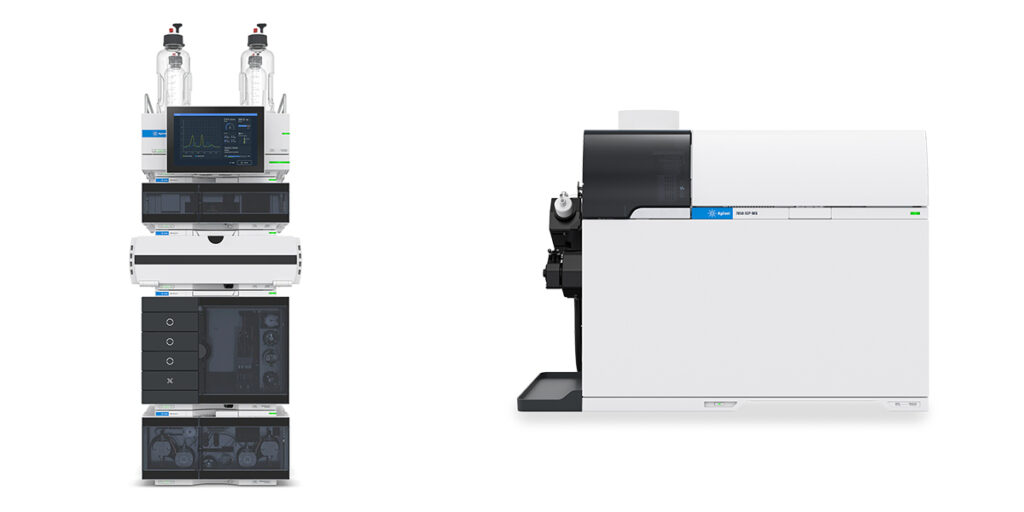
To solve the media development challenge, Chemetrix supports the implementation of untargeted metabolomic workflows. By utilising the Agilent 6545 LC/Q-TOF, labs can perform detailed molecular characterisation of both raw materials and finished formulations.
How Chemetrix assists:
Our specialists help your team establish metabolomic workflows that provide detailed molecular information for R&D. We assist in identifying “critical component targets” – biomarkers of performance – that become your QC benchmarks. By linking these molecular features to cellular outcomes, we help you replace inconsistent serums with precise, scalable,
animal-free alternatives.
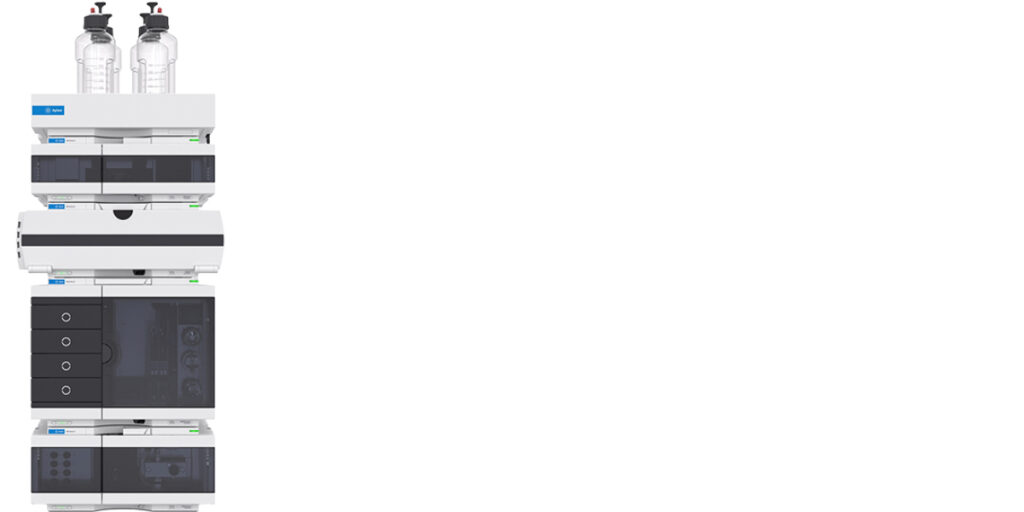
Efficiency in the modern lab is increasingly driven by smart automation. The Agilent Infinity III LC Series is designed to address the operational risks that lead to downtime and lost samples through integrated AI-powered solutions.
How Chemetrix assists:
Chemetrix provides the technical expertise to integrate these platforms into your existing regulatory-ready environment. The Infinity III offers predictive analytics and real-time alerts to pre-empt operational failures. We assist in configuring these advanced informatics platforms so that your lab can handle complex workflows with greater precision. This shift to an automated, AI-enabled system allows your staff to focus on high-value data interpretation rather than routine manual monitoring.
Compressing development from years to months
The shift toward AI-guided development marks a new paradigm in biological optimisation. By continuously training algorithms with high-quality experimental data, each project makes the platform more intelligent. This iterative process has the power to compress development cycles that once took years into just a few months. When molecular characterisation is linked directly to cellular performance, the result is a more resilient supply chain and a faster time-to-market for novel therapies.
Optimising the path to discovery
The integration of AI and separation science is no longer a luxury; it is the foundation for the next generation of bioprocess innovation. At Chemetrix, we provide the local application expertise and technical support required to navigate these digital transformations.
Your action plan
Identify a workflow in your lab that currently relies on undefined ingredients or manual screening. Contact a Chemetrix specialist today for a workflow audit. We will help you leverage advanced metabolomics and AI-powered instrumentation to ensure your processes are reproducible, compliant, and ready for the future of biomanufacturing.
In the pharmaceutical industry, the most valuable asset isn’t the active ingredient or the patented molecule – it is the integrity of the data that proves it works. In a sector governed by uncompromising regulatory standards, a laboratory’s reputation is built on its ability to produce consistent, compliant, and accurate results. However, as drug formulations grow more complex and detection limits move lower, many laboratories find that having the right equipment is only half the battle. The real challenge lies in the support system that keeps that equipment performing within the narrowest of margins.
At Chemetrix, we have been an authorised Agilent distributor in Southern and East Africa for decades. While our heritage is diverse, our commitment to the pharmaceutical sector is foundational. We don’t just supply instruments; we provide the technical scaffolding that allows pharmaceutical analysts to move from a raw sample to a validated report with total confidence.
Why great hardware isn’t enough
One of the most persistent challenges in the pharmaceutical workflow is the transition from a concept to a robust, validated method. It is a common misconception that high-end instrumentation automatically guarantees ease of use. In reality, pharmaceutical analysts often struggle with the “blank space” between unboxing an instrument and running their first compliant sample.
Whether you are identifying trace impurities, performing stability testing, or conducting complex bioanalysis, the method development phase is often where projects stall. A method that works in a controlled environment can fail in a high-throughput production setting if it hasn’t been stress-tested for robustness. This leads to a reactive cycle of troubleshooting and re-validation, which drains resources and delays time-to-market.
Navigating a shifting regulatory landscape
Data integrity is the non-negotiable cornerstone of the pharmaceutical industry. Global research shows that 90% of pharmaceutical professionals agree that reliable instruments are the single most important factor for a successful workflow. This is because, in this sector, a failure in reliability is a failure in compliance.
The pressure to process more samples while maintaining absolute adherence to 21 CFR Part 11 and EudraLex Annex 11 is immense. Without a partner who understands the nuances of IQ/OQ (Installation and Operational Qualification) and ongoing maintenance, labs risk falling into the “efficiency gap.” This is where sophisticated instruments sit underutilised because the method is too temperamental or the staff lack the specific training required to navigate the software’s compliance features.
Mastery of complex matrices with Agilent LC/MS
For laboratories tackling the most demanding pharmaceutical applications – such as nitrosamine analysis or impurity profiling– Agilent’s LC/MS solutions are globally recognised as the definitive standard. These systems provide the sensitivity and specificity required to detect analytes at levels that were previously unimaginable.
However, the “Chemetrix Edge” lies in how we support this technology. We recognise that method development for LC/MS is a specialised skill. Our support department acts as an extension of your own team, providing on-site assistance to help you develop, optimise, and troubleshoot your pharmaceutical methods. By leveraging our local application expertise, you can reduce the time spent in method development and ensure that your LC/MS system is performing at its peak from day one.
Driving throughput with the Agilent 1290 Infinity III LC
The workhorse of any modern pharmaceutical lab is the Liquid Chromatograph, and the Agilent 1290 Infinity III LC is engineered specifically for high-throughput environments. It is designed to handle the everyday pressures of pharmaceutical analysis with ultra-low carryover and exceptional pressure stability.
Chemetrix supports this hardware through a comprehensive service programme that goes beyond simple repairs. We offer tailored preventive maintenance and rapid-response technical support to ensure your 1290 Infinity III stays in a qualified state. By integrating our service expertise with this robust hardware, we help labs eliminate the “time traps” of manual intervention. Our goal is to ensure your staff spend less time worrying about baseline
drift and more time focusing on high-value data interpretation.
The transition from a reactive laboratory to a proactive one is transformative. When you partner with a specialist who understands pharmaceutical applications, the results are measured in more than just uptime. You gain the peace of mind that comes from knowing your methods are robust, your instruments are qualified, and your data is defensible.
Our most successful pharmaceutical partners are those who have moved away from viewing instrumentation as a commodity and have embraced it as a collaborative workflow. This partnership leads to faster validation cycles, fewer “Out of Specification” (OOS) investigations, and a laboratory team that is empowered by their technology rather than frustrated by it.
Take the next step in laboratory excellence
The road to an optimised pharmaceutical workflow doesn’t have to be a solitary one. Whether you are looking to expand your LC/MS capabilities or need to refine the efficiency of your current chromatography setup, the expertise you need is available locally.
Your Action Plan:
Identify your most temperamental method – the one that requires the most manual intervention or frequent re-runs. Contact a Chemetrix specialist today for a workflow audit. Let’s work together to resolve your method development challenges and ensure your lab is equipped for the future of pharmaceutical discovery.
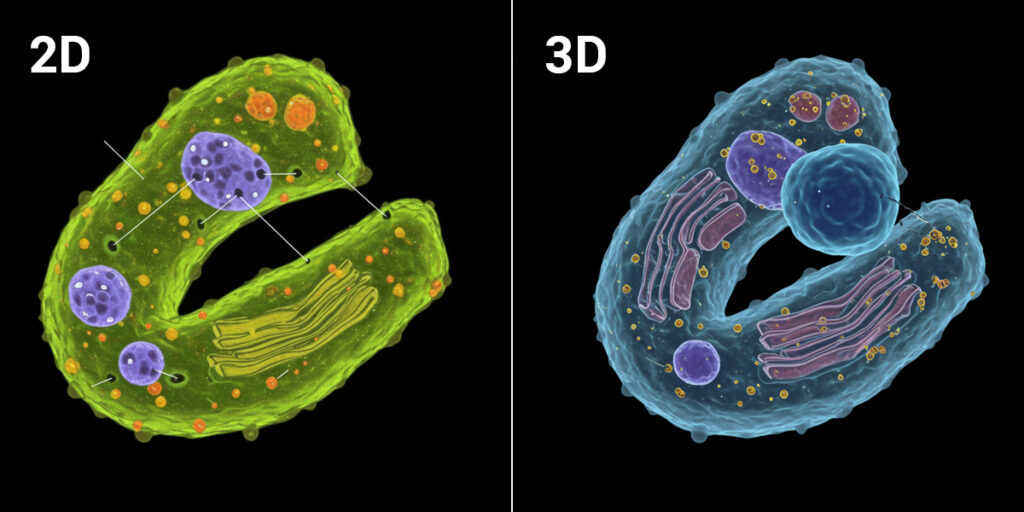
A promising drug candidate passes every 2D cell culture test. The data looks perfect. Then it fails in clinical trials because it behaves completely differently in actual human tissue. This scenario plays out in pharmaceutical labs every day. The problem isn’t the science or the scientists. It’s the fundamental limitation of using 2D cell models to determine drug efficacy and toxicity when those models don’t adequately address the complexity of real world 3D tissues.
Ex vivo models and 3D samples like tumouroids and clinical biopsies are more biologically relevant than traditional 2D cell assays. But moving beyond traditional cell models requires tools designed specifically for cellular phenotyping of ex vivo samples.
When 2D models stop being enough
Every drug discovery researcher knows the frustration. Your 2D cell assay is optimised. The results are reproducible. But then the compound behaves differently in more complex models or clinical settings.
The quiet truth heard across pharmaceutical labs: using 2D cell models to determine drug efficacy and toxicity does not adequately address the complexity of real world 3D tissues. Cells growing in a monolayer on plastic experience conditions that simply don’t exist in actual organs or tumours. When researchers try to move beyond 2D cultures, they face a critical challenge: lack of tools for cellular phenotyping of ex vivo samples. Clinical biopsies are precious material that can’t be wasted on methods not designed for them. Tumouroids and organoids have thickness and complexity that traditional tools struggle to analyse. The very characteristics that make these models valuable also make them harder to work with.
The result? Many labs continue using 2D assays not because they provide better data, but because the alternatives seem too difficult. Experiments stall. Toxicity data remains unclear. The gap between laboratory findings and clinical outcomes persists.This isn’t a problem researchers can solve through better technique alone. It requires instrumentation designed for the realities of three-dimensional biology.
Why 3D samples provide more useful data
Biologically relevant 3D cell models provide more useful data than traditional 2D cultures. But why does dimension matter so much?
Ex vivo models help researchers gain insight into a drug’s mechanism of action and safety within a more physiologically relevant context than cell cultures. When you test a drug on cells growing flat on plastic, you’re studying biology that doesn’t exist in patients. When you test the same drug in ex vivo samples like clinical biopsies or tumouroids, you’re studying biology that actually resembles the tissue the drug will encounter.
3D samples like tumouroids and ex vivo clinical biopsies are more biologically relevant than traditional 2D cell assays because they retain structural complexity, cell-to-cell interactions and tissue architecture that influence how drugs actually work. A compound that appears effective in a monolayer might fail to penetrate a 3D structure. A drug that seems safe in 2D might trigger unexpected responses when cells interact in three dimensions.This isn’t just about making experiments more complicated. It’s about making data more predictive. The goal of drug development is to understand how compounds will behave in patients. Ex vivo systems move researchers closer to that reality. The challenge has been measuring these complex samples reliably. That’s where tool selection becomes critical.
Making ex vivo workflows work
Ex vivo workflows can actually improve efficiency when paired with the right tools, even though they appear more complex at first glance. The key is choosing instruments designed specifically for the samples you’re studying rather than trying to adapt tools built for 2D cultures. When you lack tools for cellular phenotyping of ex vivo samples, every experiment becomes trial and error. You spend time troubleshooting methods that were never designed for thick, irregular, three-dimensional samples. You waste precious clinical material on approaches that can’t capture the biology you need to see.
The right tools eliminate this friction. Instruments designed for ex vivo analysis accommodate sample complexity from the start. They’re built to handle the thickness, irregularity and physiological relevance that make 3D models valuable. This reduces the experimental iterations needed to generate meaningful data. Efficiency isn’t about shortcuts. It’s about matching tool capabilities to sample reality so researchers spend less time fighting their instruments and more time understanding biology.
Metabolic analysis in physiologically relevant context
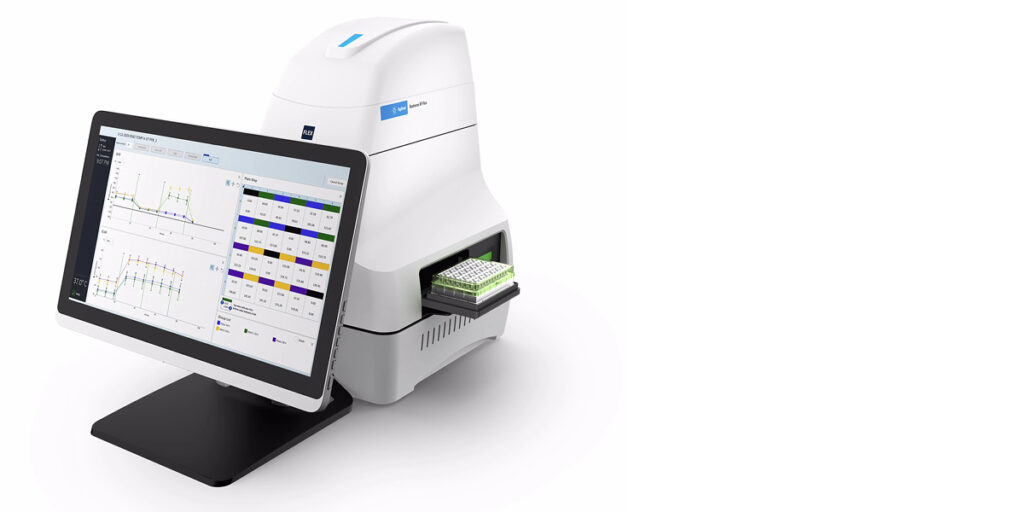
Analysing drug efficacy and toxicity in ex vivo samples requires understanding how drugs affect cellular function in samples that retain three-dimensional structure. Traditional methods often require destroying the very architecture that makes ex vivo models valuable. The Agilent Seahorse XF Flex Analyser is designed for the analysis of ex vivo samples so researchers can gain insight into a drug’s mechanism of action and safety within a more physiologically relevant context than cell cultures. The system works with clinical biopsies, tumouroids and organoids without requiring tissue dissociation.
This matters because ex vivo models help researchers gain insight into drug mechanism of action and safety within a more physiologically relevant context than 2D cell cultures. By analysing intact tissue samples, researchers can assess how drugs affect cellular metabolism in conditions that actually resemble patient biology. The Seahorse XF Flex addresses the lack of tools for cellular phenotyping of ex vivo samples by providing metabolic profiling capabilities specifically designed for these challenging sample types.
Understanding cellular responses in ex vivo samples requires seeing into thick, complex structures. Traditional imaging approaches struggle with samples that extend beyond a few cell layers, forcing researchers to either section valuable material or accept surface-level data that misses critical biology.
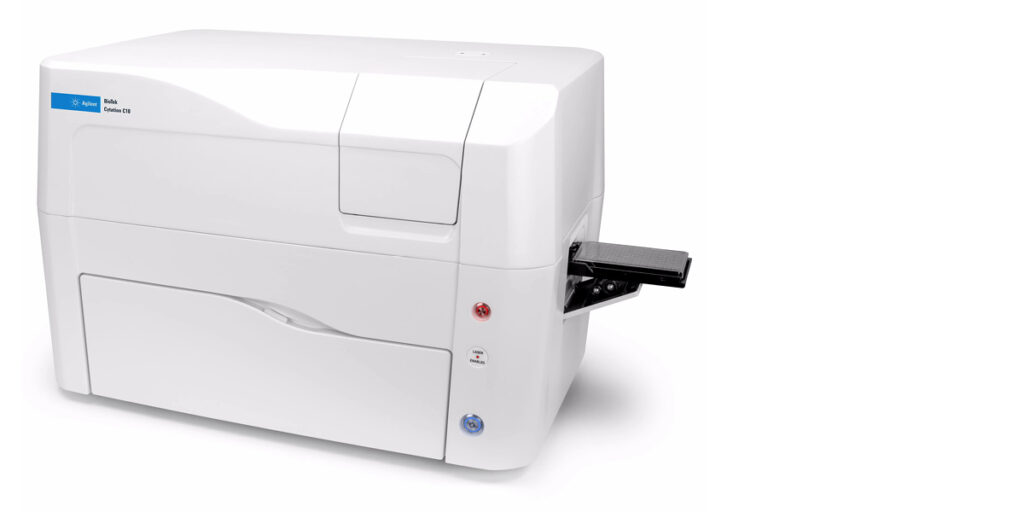
The Agilent BioTek Cytation C10 Confocal Imaging Reader allows researchers to look deeper into thick sample biology with improved clarity and detail. The confocal imaging system addresses the lack of tools for cellular phenotyping of ex vivo samples by providing the depth resolution needed for three-dimensional structures.
This capability matters for drug development because biologically relevant 3D cell models provide more useful data when you can actually see what’s happening throughout the structure, not just on the surface. Cell migration, invasion and drug responses often vary by location within a tumouroid or tissue sample. Without appropriate imaging tools, researchers miss spatial information critical to understanding efficacy and toxicity.
The Cytation C10 enables cellular phenotyping of the ex vivo samples that provide physiologically relevant data for drug discovery.
Practical applications:
Image cell migration and invasion in 3D cancer models
Visualise drug distribution in thick tissue samples
Phenotype cellular responses throughout tumouroids and organoids
Analyse ex vivo clinical biopsies with depth resolution
There’s a common mindset in drug discovery that researchers must accept the limitations of 2D models because ex vivo systems are too difficult. That working with clinical biopsies isn’t practical. That 3D cultures are too complex for routine use.
Chemetrix rejects this narrative.Researchers shouldn’t settle for models that don’t adequately address the complexity of real world 3D tissues. They shouldn’t compromise scientific rigour because tools weren’t designed for physiologically relevant samples. And they absolutely shouldn’t accept that predicting clinical outcomes requires choosing between feasibility and accuracy.
This is where partnership matters. Chemetrix doesn’t just supply instruments. We advocate for a scientific culture grounded in integrity, accuracy and respect for the complexity of living systems. When we say ex vivo models provide more useful data, we’re affirming that good science requires data that reflect real biology. The lack of tools for cellular phenotyping of ex vivo samples has been a barrier for too long. The Seahorse XF Flex and Cytation C10 aren’t just instruments. They’re commitments to removing barriers between researchers and the capabilities they need.
Chemetrix partners with researchers because they deserve solutions designed with biological reality in mind. Ex vivo systems that work reliably. Analysis that captures what matters. Support that helps labs implement physiologically relevant models confidently. This is how drug development advances: not through researchers heroically overcoming inadequate tools, but through systems that make biological relevance routine.
Better models, better medicines
Drug development doesn’t have to rely on models that don’t adequately address the complexity of real world 3D tissues. Biologically relevant 3D cell models provide more useful data. But only when you have tools designed for cellular phenotyping of ex vivo samples.
Ready to move beyond 2D limitations?
Discover how the Agilent Seahorse XF Flex enables analysis of clinical biopsies and 3D cultures. Explore how the Agilent BioTek Cytation C10 allows researchers to look deeper into thick sample biology with improved clarity and detail.
Contact Chemetrix to discuss how ex vivo workflows can improve the predictive value of your drug discovery research. Better models lead to better medicines. With the right partnership and the right tools, your lab can generate the clinically relevant data that truly matters.
✅ TL;DR – Key Takeaways
Using 2D cell models to determine drug efficacy and toxicity does not adequately address the complexity of real world 3D tissues
Ex vivo models help researchers gain insight into drug mechanism of action and safety within a more physiologically relevant context than cell cultures
3D samples like tumouroids and ex vivo clinical biopsies are more biologically relevant than traditional 2D cell assays
The Seahorse XF Flex and Cytation C10 address the lack of tools for cellular phenotyping of ex vivo samples
When regulatory limits for toxic elements in food keep getting stricter, labs face an uncomfortable reality: the methods they’ve relied on for years might not be fast enough or sensitive enough anymore. Analysis times stretching beyond 10 minutes per sample create bottlenecks. Coupling different instruments feels risky. And when your lab is responsible for detecting inorganic arsenic in baby food or cadmium in rice, there’s no room for error.
Here’s what most food testing labs don’t realise: the perceived complexity of coupling HPLC to ICP-MS is largely a myth. With the right hardware and software integration, what seems like a daunting technical challenge becomes a routine workflow that delivers results in under two minutes per sample.
The daily pressure of food safety testing
Walk into any food testing laboratory and you’ll hear the same concerns. Analysts are under pressure to process more samples with the same resources. Method development feels like reinventing the wheel for every new matrix. And when regulatory bodies lower action levels for toxic elements, labs scramble to validate new methods while maintaining daily sample throughput.
The real frustration? Many analysts believe that analysing inorganic arsenic, cadmium, lead and mercury requires complicated instrument coupling that only specialists can handle. They’ve heard that HPLC-ICP-MS is temperamental. They worry about stability over long sequences. They’re concerned that different vendors’ systems won’t communicate properly.These concerns create dangerous hesitation. Labs stick with older, slower methods because they’re familiar, even when those methods can’t meet new regulatory requirements. Sample backlogs grow. Turnaround times stretch.
The bottleneck isn’t the science. It’s the assumption that the solution has to be complicated.
Why toxic element speciation matters
Not all arsenic is created equal. Total arsenic measurements tell you how much is present, but they don’t tell you the critical part: is it toxic? Inorganic arsenic (the sum of arsenite As(III) and arsenate As(V)) is significantly more toxic than organic arsenic compounds like arsenobetaine found naturally in seafood. This is why regulations specify limits for inorganic arsenic rather than total arsenic. A rice cereal might contain arsenic, but if it’s all organic forms, the health risk is minimal. If it’s inorganic arsenic, even at low concentrations, it poses a developmental risk
to infants.
The same principle applies to other toxic elements. Cadmium accumulates in rice grown in contaminated soil. Lead and mercury, even at trace levels, affect neurological development in children. The US House of Representatives report in February 2021 found that many baby foods sold in supermarkets contained unacceptably high concentrations of these elements.
This is where speciation analysis becomes critical. HPLC separates different chemical forms of arsenic before ICP-MS detects them. By oxidising As(III) to As(V) during sample preparation, the analysis simplifies to measuring one peak representing total inorganic arsenic. The chromatographic separation happens in under two minutes, the ICP-MS provides sensitivity down to parts per billion and labs can confidently determine whether a food product meets regulatory limits.Food testing labs aren’t just generating data. They’re protecting the most vulnerable consumers: babies, infants and young children whose developing bodies are most susceptible to toxic element exposure.
Image credit: Institut für Analytische Chemie Universität Wien
The integration that changes everything
The breakthrough isn’t in the HPLC or the ICP-MS individually. Both instruments are well known in the industry for performance and robustness. The efficiency gain comes from how they work together. Agilent developed an optimised interface that physically couples the Agilent 1260 Inifinity III HPLC to both the 8900 ICP-QQQ and 7850 ICP-MS systems. But the real innovation is software integration. The entire coupled system is set up and operated from the ICP-MS MassHunter software. One interface. One method. Automated analysis.
Single software control means analysts don’t toggle between platforms or manually synchronise instrument parameters. Method development happens in one place.
Stable hardware coupling removes the guesswork from connecting instruments. The optimised interface ensures consistent sample transfer without leaks, dead volume or carryover issues.
Reduced setup time transforms HPLC-ICP-MS from a specialist technique into a routine capability. Labs new to speciation analysis can implement the method without extensive troubleshooting.
Fast 2-minute runs change the economics of compliance testing. When analysing inorganic arsenic requires 10+ minutes per sample using conventional columns, labs face real capacity constraints. At 2 minutes per sample, the same instrument processes five times the volume.
The 7850 ICP-MS adds practical features that matter for real-world food matrices. Ultra High Matrix Introduction (UHMI) handles samples with high dissolved solids without constant maintenance. The IntelliQuant function provides instant visibility into total matrix composition. And helium collision mode addresses spectral interferences without complex method optimisation.
Food safety compliance made routine
The US Baby Food Safety Act 2021 proposes maximum levels of 10-15 ppb inorganic arsenic depending on whether products are cereal-based. The FDA’s Closer to Zero plan phases in action levels for lead, arsenic, cadmium and mercury through 2024 and beyond. EU regulations specify limits for inorganic arsenic in rice between 0.1-0.3 mg/kg.
These aren’t aspirational targets. They’re enforceable limits that require labs to deliver accurate, defensible results.
The Agilent 1260 HPLC coupled to the Agilent 8900 ICP-QQQ provides the sensitivity and speed food testing labs need. The 8900 offers detection limits of 1.99 µg/kg for solid samples and 0.08 µg/L for liquid samples, well below regulatory action levels. The method complies with FDA Elemental Analysis Manual sections 4.7 and 4.11, as well as European standards EN16802:2016 and prEN17374:2019.
Real-world validation across baby foods, rice cereals, beverages and animal feed demonstrates recoveries between 82-111% with precision from 0.3-9.4% RSD.
High-throughput screening for production environments
Food manufacturers testing ingredients before use or finished products before release face a different challenge. They need screening capability that keeps pace with production schedules. Samples can’t wait days for results. Backlogs mean inventory sitting in quarantine.
The Agilent 1260 HPLC coupled to the Agilent 7850 ICP-MS delivers the throughput production labs require. The 7850 combines proven hardware with software features that simplify workflow for analysts who may be new to ICP-MS or new to Agilent systems. The 7850’s 10 orders of magnitude linear dynamic range means major and trace analytes are measured in a single run. No over-range failures. No sample reruns. The system processes samples with per cent-level total dissolved solids thanks to UHMI technology as standard.
For inorganic arsenic screening in rice cereals, the fast HPLC-ICP-MS method reduces analysis time from over 10 minutes to under 2 minutes. The short anion exchange column, optimised mobile phase and small injection volumes maintain baseline separation of inorganic arsenic from organic species without compromising resolution.
There’s a pervasive mindset in many labs that complexity is just part of the job. That coupling instruments will always be difficult. That fast methods sacrifice accuracy. That meeting new regulatory limits requires hiring specialists or sending samples to reference labs.
Chemetrix rejects this narrative. Labs shouldn’t have to choose between speed and accuracy. They shouldn’t accept that advanced techniques are only accessible to experts. And they absolutely shouldn’t operate under the assumption that their current capabilities define their future possibilities.
This is where partnership matters. Chemetrix doesn’t just supply instruments. We advocate for a scientific culture grounded in integrity, accuracy and respect for the people doing the work. When we say the Agilent HPLC-ICP-MS coupling is easier than labs think, we’re not minimising the science. We’re affirming that with the right tools and support, routine labs can deliver extraordinary results.
The optimised interface, integrated software control and proven application methods aren’t just technical specifications. They’re a commitment to removing barriers between labs and the capabilities they need.
Conclusion
Toxic element analysis in food doesn’t have to be the bottleneck in your lab. The perceived complexity of HPLC-ICP-MS coupling dissolves when hardware and software are designed to work together from the start.
Ready to transform your toxic element analysis workflow?
Download the application notes for baby food and rice cereal analysis to see validated methods and real-world results. Contact Chemetrix to discuss how fast HPLC-ICP-MS screening can eliminate testing bottlenecks in your facility.
Food safety depends on labs that can deliver accurate results quickly. With the right partnership and the right tools, your lab can be exactly that kind of asset.
Contact Chemetrix today to discuss your toxic element analysis challenges and discover solutions designed for your reality.
✅ TL;DR – Key Takeaways
HPLC-ICP-MS coupling is simpler than most labs assume when using integrated Agilent systems
2-minute analysis times for inorganic arsenic deliver 5x throughput vs conventional methods
Detection limits well below regulatory action levels ensure compliance confidence
Single software control reduces setup complexity and streamlines daily operation