Why Pharmaceutical Dissolution Stability Testing Fails: Lessons from Three SAHPRA Recalls

Three products.
Three SAHPRA-approved recalls.
Three dissolution failures that only appeared months after the batches had been released and distributed.

Lasix 80mg failed dissolution at six months. Lumont 10mg failed at twelve months. Cipla-Pioglitazone failed during ongoing stability monitoring. In every case the product passed initial release testing. In every case patients had already received it.

This is the central challenge of pharmaceutical dissolution stability testing: the conditions that cause a product to fail are often invisible at release and only become measurable after months of storage. When the dissolution testing method itself introduces uncontrolled variables, through manual sampling, inconsistent vessel setup or inadequate hydrodynamic control, failures become harder to detect and impossible to defend.

Why do products pass release testing and fail dissolution at stability?

The apparatus controls the dissolution conditions. It does not control what happens to the drug product during storage. That distinction is where most stability failures originate.

Three different storage mechanisms triggered three different failure modes in these recalls. Understanding each one is the starting point for building a dissolution programme sensitive enough to catch them before they become a market withdrawal.

What caused three SAHPRA dissolution stability failures?

Lasix 80mg: furosemide surface passivation

Sanofi Aventis South Africa recalled batch CG022A after dissolution dropped below 80% at 60 minutes at the six-month stability interval. Furosemide is a BCS Class IV drug with dissolution critically dependent on available surface area. During ambient storage, the tablet surface undergoes recrystallisation, converting to a more thermodynamically stable crystalline form that increases hydrophobicity, raises liquid contact angle and progressively retards media penetration. Invisible at release. Measurable at six months.

Lumont 10mg: montelukast excipient matrix hardening

Zydus Healthcare SA recalled Lumont 10mg after out-of-specification dissolution results at the 12-month time point under 30°C and 75% RH long-term conditions. The polymer excipient matrix undergoes cross-linking during extended storage at elevated temperature and humidity. Cross-linking increases structural rigidity, reduces water diffusion rates into the tablet core and creates a denser outer boundary that restricts media penetration. Drug release slows progressively and at month twelve it had slowed below specification.

Cipla-Pioglitazone: particle agglomeration and hydrodynamic dead zones

Pioglitazone is a BCS Class II drug with dissolution dependent on particle size and vessel hydrodynamics. During storage, particles agglomerate, clustering into larger masses that reduce total surface area. In a USP Apparatus 2 vessel those agglomerated masses settle into the near-zero velocity zone beneath the paddle shaft where fluid shear is insufficient to break them apart. Drug release drops. The result is a cone of undissolved material at the vessel base and an out-of-specification stability profile.

 

Why uncontrolled testing variables amplify stability failures

What connects all three recalls is not just the storage mechanism. It is the sensitivity of the dissolution method to detect the developing failure at the earliest possible time point.

Manual sampling introduces timing offsets between vessels. Variable cannula depth changes the concentration gradient at withdrawal. Inconsistent filtration alters the apparent dissolved fraction. Vessel misalignment and imprecise paddle height affect the hydrodynamic pattern within the vessel, including the stagnant zone directly implicated in the pioglitazone failure.

In a formulation where dissolution is already marginal, an uncontrolled testing variable is the difference between catching a failure at six months and missing it entirely until the batch has been on the market for a year.


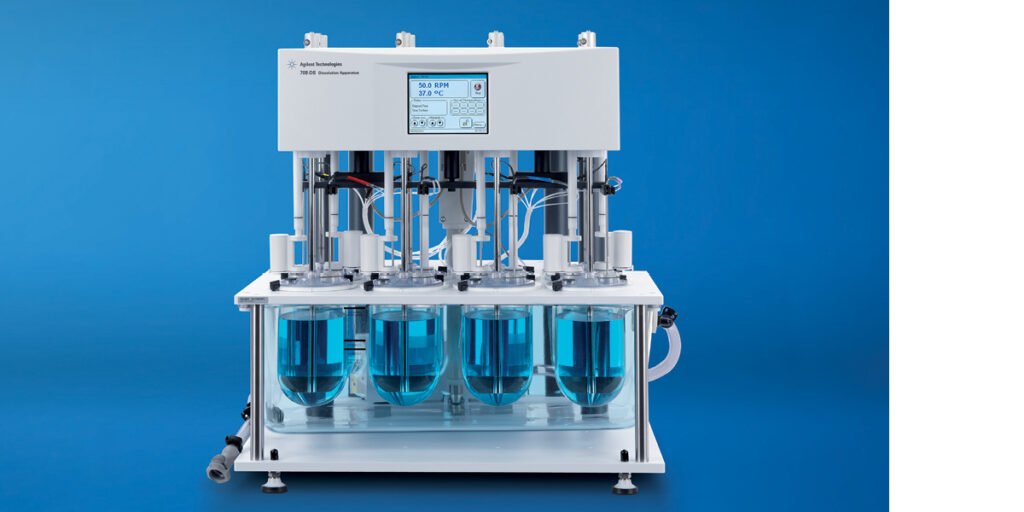
Controlled dissolution testing for pharmaceutical QC: Agilent 708-DS dissolution apparatus

For stability programmes, instrument-level variables must be controlled with the same rigour at month twelve as they are at initial release. The Agilent 708-DS addresses this directly.

TruAlign vessels provide repeatable vessel-to-shaft centering, eliminating the asymmetric hydrodynamic profiles that contribute to stagnant zone formation and cone effect. AutoTemp in-vessel temperature monitoring confirms media temperature is maintained throughout the run. Programmable sampling depth eliminates vessel-to-vessel insertion depth variation. Dissolution Workstation Software provides electronic documentation and audit trail capability for 21 CFR Part 11 compliant environments.
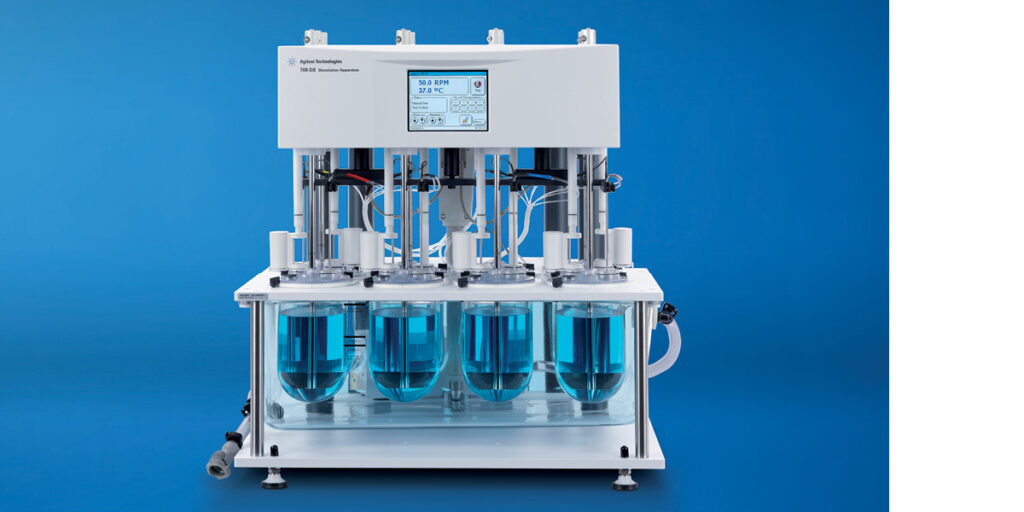
 

Agilent 708-DS

Automated sampling for reproducible stability data: Agilent 850-DS dissolution sampling station

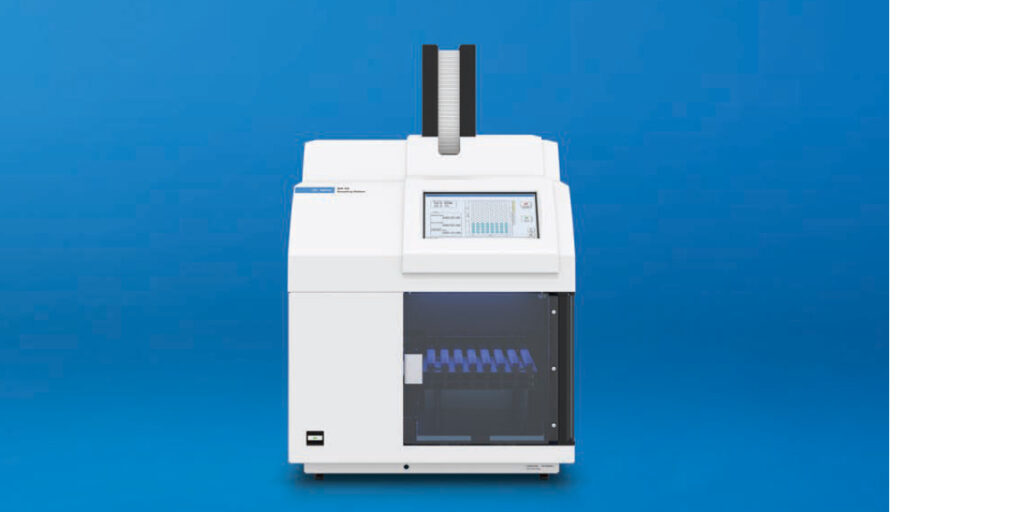
The 850-DS removes the manual variables that amplify dissolution failures in stability testing. Automated withdrawal timing ensures every time point is sampled at the exact programmed interval across all six vessels simultaneously. Automated needle positioning ensures identical sampling depth at every vessel at every time point. Inline filtration at 0.2 or 0.45µm eliminates sample preparation variation from manual filter handling.

For the furosemide, montelukast and pioglitazone dissolution methods specifically, automated sampling is not a convenience. It is a methodological requirement. Detecting a developing stability failure before it becomes a recall requires a testing platform that removes the noise introduced by manual handling.

Practical resource: Agilent 850-DS product page

Speak to a Chemetrix specialist about configuring the 850-DS for your stability sampling volumes, filtration requirements and downstream analytical method.
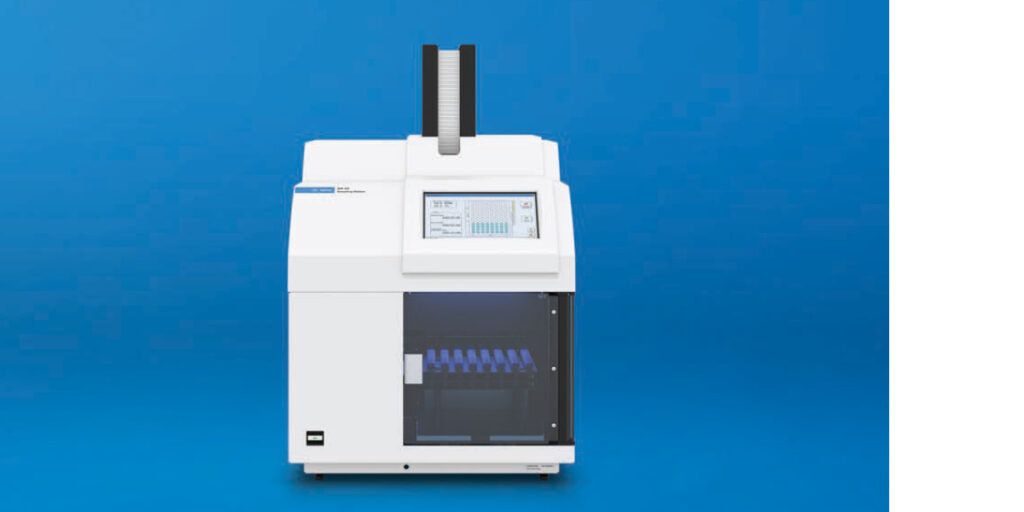
Agilent 850-DS

📥 Explore the full Agilent dissolution testing portfolio
Agilent dissolution testing resources

Passing release testing is the beginning of compliance, not the end of it

Three recalls. Three different storage mechanisms. One shared failure: a dissolution testing methodology not designed to detect the failure early enough to prevent it.

The analysts who run stability dissolution programmes deserve a workflow that is built to detect what needs to be detected; not a manual sampling process that introduces enough variability to mask a developing failure until it’s too late.

Chemetrix works with pharmaceutical QC labs across Southern and East Africa to design dissolution testing programmes built around the sensitivity and reproducibility that stability monitoring actually requires. The goal is dissolution data that defends the product at every stability time point, not just the first one.

Build your stability dissolution programme around the results you need to defend

Before your next stability pull, work through four questions:

  1. Does your method control vessel centering, paddle height and sampling depth reproducibly across analysts and time points?
  2. Are your stability time points sampled within the required interval across all six vessels simultaneously?
  3. Is your filtration consistent enough to distinguish a genuine dissolution change from a methodological artefact?
  4. Does your audit trail support a SAHPRA inspection or GMP compliance review?

Speak to a Chemetrix specialist about your stability dissolution programme:

  • Pharmaceutical QC labs: apparatus qualification, stability method validation and automated sampling configuration for SAHPRA GMP compliance
  • Generic drug development labs: dissolution method development and bioequivalence stability testing for BCS Class II and IV compounds
  • Contract testing labs: high-throughput stability dissolution workflows with HPLC integration and LIMS connectivity
  • Regulatory affairs and QA teams: dissolution data integrity review and method robustness assessment ahead of SAHPRA submissions

Your dissolution data is only as reliable as the stability programme behind it.


TL;DR

Lasix 80mg, Lumont 10mg and Cipla-Pioglitazone all passed initial release testing. All three were recalled from the South African market after dissolution failures at 6 or 12-month stability intervals. The root causes were different in each case but the pattern is the same: subtle physical changes during storage interact with uncontrolled dissolution testing variables to produce results that passing release testing cannot predict. Automated, end-to-end dissolution workflow control is the primary defence.

Pharmaceutical Dissolution Testing: Why Sampling Causes More Variability than the Apparatus

The dissolution apparatus has been validated. Media temperature is correct. Paddle speed is set. Everything looks right. And yet results from one analyst to the next are not as consistent as they should be.

This is one of the most common and least-discussed problems in pharmaceutical dissolution testing. The problem is almost never the apparatus. It is almost always what happens next: the sampling.

Dissolution testing determines how an active pharmaceutical ingredient is released from a dosage form under defined conditions. A failed or inconsistent result can delay batch release, trigger a data investigation and consume analyst time that could be spent elsewhere. When that variability traces back to sampling rather than the product itself it is a workflow problem, not a formulation problem. And it’s a solvable one.

Why does pharmaceutical dissolution testing produce variable results even when the method
is correct?

The apparatus controls the dissolution conditions. It does not control what happens when the sample leaves the vessel. That distinction is where most labs have a gap.

Manual sampling introduces variability at five distinct points: when the sample is taken, where in the vessel it is withdrawn from, how much is collected, how it is filtered and transferred, and how consistently that process is repeated across multiple vessels and time points. In extended-release products requiring sampling over several hours the opportunity for cumulative variation is significant.

The result is a dissolution profile that reflects the sampling process as much as the drug product itself. Chemetrix consultants see this pattern consistently across pharmaceutical QC labs: unexplained batch-to-batch variation traced back not to formulation but to manual sampling steps that were never formally controlled.

Dissolution testing explained

Every oral dosage form that reaches a patient has been through dissolution testing. The test simulates conditions the drug encounters in the body, exposing the finished product to a defined volume of media at controlled temperature and stirring speed, then measuring API release at defined time points.

Those results determine whether a batch is released for patient use. They underpin bioequivalence decisions in generic drug development and support regulatory submissions across USP, EP and JP pharmacopoeial frameworks. They are used throughout the product life cycle from R&D through to routine QC.

When dissolution data is compromised by sampling variability the consequences extend beyond a failed batch. They reach into data integrity queries, audit findings and regulatory submissions built on data that does not accurately reflect the product. The analytical lab’s responsibility is to produce dissolution data that reflects the drug, not the process of collecting the sample.


How can pharmaceutical QC labs reduce analyst-to-analyst variation in dissolution sampling?

Remove the manual steps. Not because analysts are careless but because repetitive manual sampling across six vessels at five or more time points is an inherently variable process regardless of analyst experience.

The labs that achieve the most consistent dissolution data are not necessarily the ones with the most skilled analysts. They are the ones that have replaced analyst-dependent sampling variables with automated controls. When timing, withdrawal position and filtration are managed by the sampling station the analyst is freed to review data, prepare subsequent runs and apply scientific judgement where it actually matters.

This is what Chemetrix means by treating dissolution as an end-to-end workflow. The apparatus handles dissolution conditions. The sampling station handles the rest. Both need to be
designed together.

Controlled dissolution testing for pharmaceutical QC: Agilent 708-DS dissolution apparatus

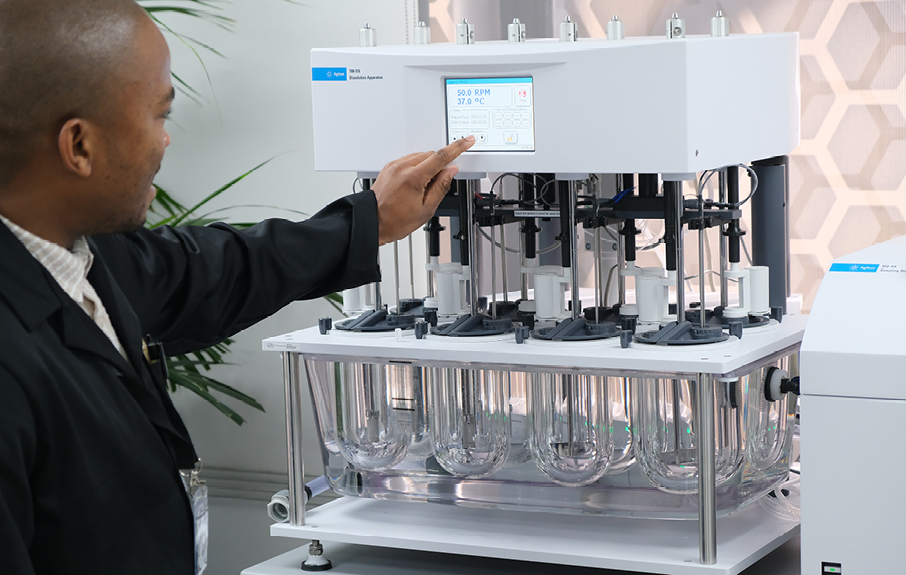
The Agilent 708-DS is the established platform for pharmaceutical dissolution testing across oral solid dosage forms, topicals, implants, transdermal patches and medical devices. It conforms to international pharmacopoeial specifications for Apparatus 1, 2, 5 and 6 and accommodates tablets, capsules, transdermal and semisolid formulations.

Key features that directly address variability at the apparatus level include TruAlign vessels for repeatable vessel orientation, motorised lift for integration with automated sampling systems, AutoTemp in-vessel temperature monitoring to confirm media conditions throughout the run and programmable sampling depth to eliminate vessel-to-vessel inconsistency in withdrawal position. The optional Dissolution Workstation Software provides electronic documentation of test parameters and audit trail capability for 21 CFR Part 11 compliant environments.

For labs requiring online UV analysis, the 708-DS pairs with the Agilent Cary 60 UV-Vis Spectrophotometer in multicell and fiber optic configurations enabling real-time dissolution profile monitoring without manual sample withdrawal at each time point.

Speak to a Chemetrix specialist about configuring the 708-DS for your specific dosage form and regulatory requirements.

Agilent 708-DS

Automated dissolution sampling for regulated pharmaceutical labs: Agilent 850-DS dissolution sampling station

The Agilent 850-DS Dissolution Sampling Station automates what the apparatus cannot control. It manages withdrawal timing, sampling position, filtration and sample collection into test tubes, HPLC vials or 96-well plates depending on the downstream analysis method.

For labs running HPLC analysis, samples collected by the 850-DS into Agilent HPLC trays can be placed directly into the HPLC autosampler without manual vial transfer. A validated end-to-end workflow demonstrated with multidrug capsules containing four APIs at different concentration ranges showed that the full sequence from dissolution sampling through LIMS integration to HPLC measurement and result reporting can be completed with minimal manual intervention. Barcoded vials scanned into the LIMS were automatically linked to vessel and time point data, passed to Agilent Sample Scheduler software and submitted to the LC instrument without the analyst managing the sequence manually.

The 850-DS includes an integrated syringe pump, optional filtration module for 0.2 or 0.45 µm filtration, variable pump speeds for different media types including surfactants, automated cleaning cycle and user access level controls to prevent unauthorised method changes.

Speak to a Chemetrix specialist about configuring the 850-DS for your sampling volume, filtration requirements and downstream analytical method.

Agilent 850-DS

📥 Explore the full Agilent dissolution testing portfolio

Dissolution data quality is a workflow decision, not just an instrument decision

There is a mindset Chemetrix consultants encounter regularly: that some variability between analysts or time points is an acceptable part of dissolution testing. That the apparatus is doing its job and the rest is just the nature of manual work.

It is not acceptable. Not when the data produced determines whether a product reaches a patient. The analysts running dissolution tests day after day under time pressure and throughput demands deserve a workflow that sets them up to produce reliable data consistently, not a process that makes accuracy dependent on replicating the previous analyst’s technique.

The labs that consistently produce defensible dissolution data treat sampling as a controlled variable from method design stage. They invest in the workflow that connects the apparatus to the result. Chemetrix works with pharmaceutical QC labs to design and supply that complete workflow, from instrument selection and qualification through to sampling automation and data management. The goal is dissolution data you can defend, not variability you have learned to explain.

How to diagnose dissolution sampling variability in your lab

Before assuming the problem is the product, work through four questions:
  1. Where is variability entering your sampling process? Timing, position, volume or filtration?
  2. Are your sampling time points being hit consistently across all vessels?
  3. How many manual transfer steps exist between the dissolution vessel and your analytical instrument?
  4. Does your current documentation trail support a 21 CFR Part 11 or GMP audit?
Speak to a Chemetrix specialist about your dissolution workflow:
  • Pharmaceutical QC labs: apparatus qualification, automated sampling configuration and Dissolution Workstation Software for 21 CFR Part 11 compliance
  • Contract research and testing labs: high-throughput dissolution workflows with HPLC integration and LIMS connectivity
  • Generic drug development labs: bioequivalence dissolution method development and semi-automated sampling for extended-release formulations
  • Compounding and hospital pharmacy labs: small-volume dissolution testing and method validation support for non-standard dosage forms

TL;DR

Most pharmaceutical labs assume that once the dissolution apparatus is correctly set up the test is essentially controlled. In practice sampling is where the majority of variability enters the workflow. Timing errors, inconsistent withdrawal depth and manual filtration steps all introduce analyst-to-analyst variation that the apparatus itself cannot prevent. The Agilent 708-DS Dissolution Apparatus combined with the 850-DS Dissolution Sampling Station automates these critical steps to produce more consistent reproducible dissolution data with significantly less manual intervention.div

Quality Control | Dissolution Testing

Drug dissolution testing provides necessary in vitro drug release information for pharmaceutical manufacturing quality control, making it a critical tool for performance characterization of diverse dosage forms. Agilent offers pharmaceutical dissolution testing products for product formulation and other applications.


Resources

Merits of Automated Sampling in Dissolution Testing

Technical Overview

Dissolution Systems Source Book

Catalogue