

Two pharmaceutical manufacturers. Two FDA warning letters. Two data integrity failures that inspectors found within minutes of arriving on site.
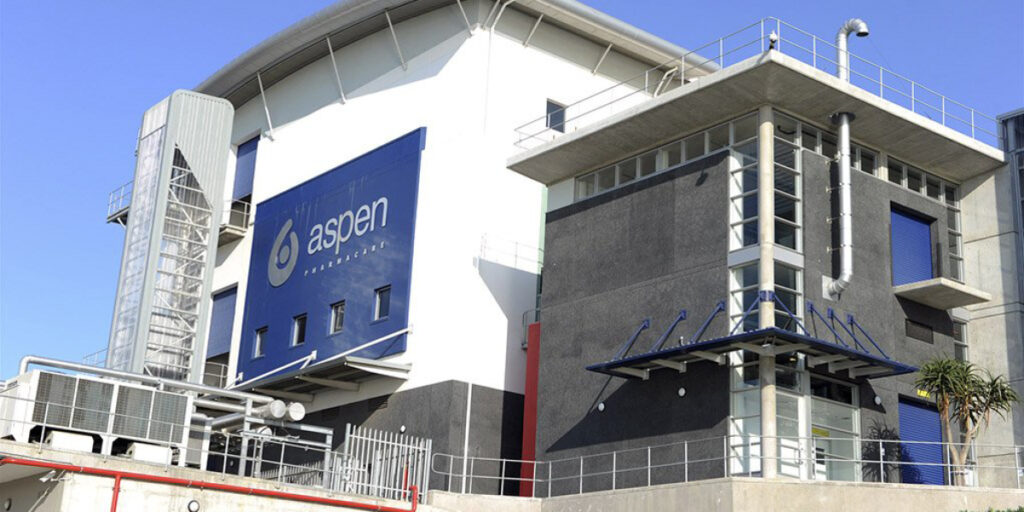
Aspen SA Sterile Operations in Gqeberha received a warning letter on 24 February 2025 after a September 2024 inspection. Fareva Amboise in France received one on 10 April 2026 after a September 2025 inspection. Both cited failures under 21 CFR 211.68. Both resulted in import alerts and suspended US market access. Both were preventable.
The violations are not exotic edge cases. They are the exact failure modes that emerge when laboratories rely on standalone instrument PCs, manual audit trail reviews and computer systems with inadequate access controls — and they are the failure modes that most regulated analytical laboratories in Southern and East Africa are currently running with.
Most laboratory managers believe their data is protected because it exists on a local network. The assumption is that the data trail is intact.
It is not. Not if analysts have unrestricted administrative access to the operating system. Not if raw data resides on a local hard drive a service technician can wipe during a routine update. Not if audit trail review happens manually across multiple standalone workstations rather than from a centralised exception report.
The FDA does not inspect what laboratories intend their data controls to do. It inspects what the system actually does. Standalone CDS workstations create fragmented data environments where selective reporting is easy, orphan data is invisible and audit trail review bottlenecks are structural rather than accidental.

Both warning letters reveal the same structural failure, not rogue analysts but systems that made violations architecturally possible.
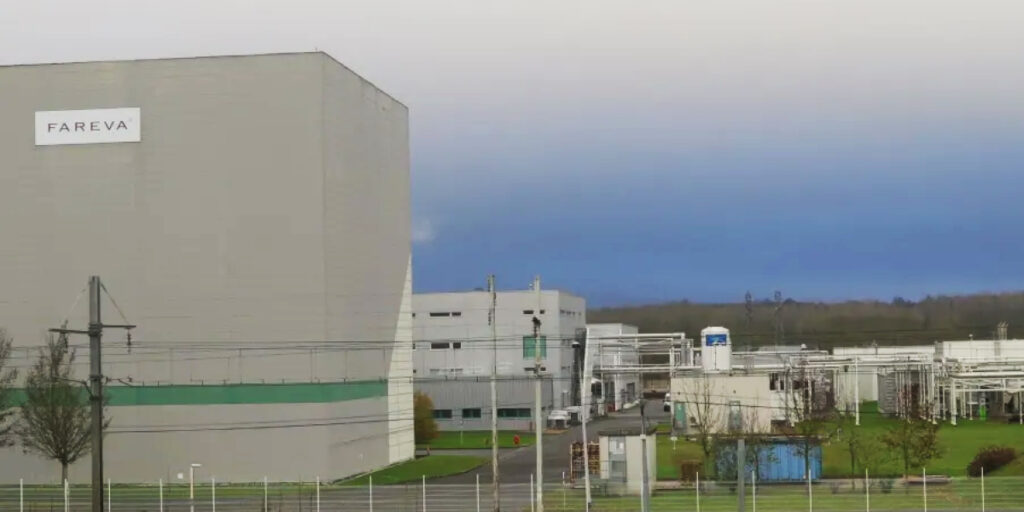
During the September 2025 inspection FDA investigators found that employees at Fareva Amboise could change system dates, alarm limits and access settings without restriction. No controls existed to prevent unauthorised modifications to master production and control records. The April 2026 warning letter cited failure under 21 CFR 211.68(a).
When any user can modify system parameters without generating a time-stamped user-attributed record the integrity of every data point generated by that system is in question. The fix is not procedural. It requires a system architecture in which changes to access settings and instrument parameters require authorised approval and generate a permanent audit trail entry visible to a centralised administrator.
During the September 2024 inspection FDA investigators found that Aspen SA Sterile Operations in Gqeberha did not review electronic raw data and audit trails before batch release. On 8 August 2024 operators ran four filter integrity tests, three failed and one passed. Only the passing result was reported. On 25 July 2024 nine tests were run on a single batch, five failed, three were aborted and one passed. Only the passing result appeared in the batch record.
Products were placed on US import alert on 10 February 2025. Production was suspended.
This is a system design problem. When raw data exists only on a local hard drive with no centralised monitoring selective reporting is structurally possible. A centralised CDS architecture that streams raw data to a server at acquisition removes that possibility because the data exists on the server before anyone can decide what to keep.

The primary solution to data integrity risk is not software. It is capability. A centralised CDS system deployed without adequate training and without local support will develop the same compliance gaps in a different format.
Chemetrix works inside client laboratories across Southern and East Africa. The Chemetrix Academy of Excellence delivers hands-on informatics training covering role-based access configuration, audit trail management and exception reporting before a system goes live. When instrument capacity expands or regulatory requirements change our specialists remain accessible as a long-term technical partner. This is the fix for vendor abandonment risk, not a contract clause but a regional team with 45 years of demonstrated commitment.
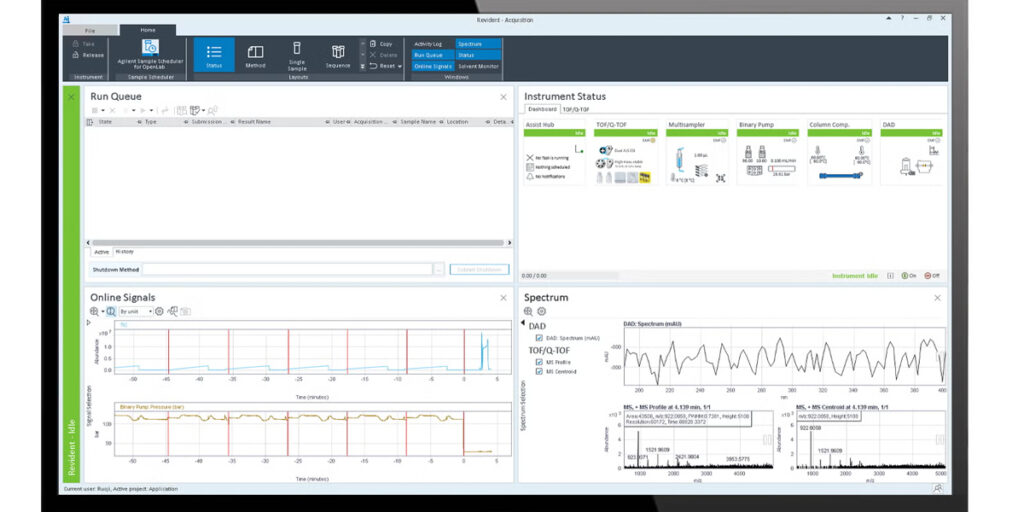
OpenLab CDS Client/Server streams raw data from every analytical instrument directly to a central server at acquisition. It never resides only on a local hard drive and cannot be selectively deleted before the record is established.
Role-based access controls prevent unauthorised modification of system parameters. Every change generates a time-stamped user-attributed audit trail entry visible to a centralised administrator. ECM XT provides automated archiving, exception reporting and electronic signature workflows that surface anomalous changes before batch release.
For laboratories running standalone workstations the migration consolidates multiple data environments into one server, one backup and one audit trail across every instrument on the network.
Speak to a Chemetrix informatics specialist about evaluating your current CDS architecture and designing a migration plan.
The violations in both warning letters were attributed to operators. But the root cause in both cases was a system that made those violations structurally possible. Telling analysts not to selectively report results does not fix a system in which selective reporting is architecturally available.
Laboratories in Southern and East Africa are not immune to the same citations. The same standalone workstation architectures, manual audit trail review processes and access control gaps that generated both warning letters exist across the region. The question is not whether the risk is present. It is whether it is addressed before an inspector finds it or after.
Both warning letters cited violations visible to an inspector within days of arriving on site. The data was there. The gaps were structural. The consequences were severe, import alerts, suspended production and public enforcement action against a South African manufacturer.
Your data integrity is only as reliable as the system designed to protect it.
Aspen Pharmacare Holdings received an FDA warning letter in February 2025 after operators selectively reported passing filter integrity results while suppressing failing ones, with no audit trail controls in place to catch it. Fareva Amboise received one in April 2026 after employees were found to be changing system dates, alarm limits and access settings without restriction. Both failures trace back to the same root cause: inadequate computer system controls and no centralised oversight of electronic data. Agilent OpenLab CDS Client/Server with ECM XT eliminates the structural vulnerabilities behind both citations, but technology alone is not the fix. Regional capability and hands-on implementation support are what make the difference between a system that is installed and a system that protects you.

Chemetrix Export (Pty) Limited
400 - 16th Road
Block H Central Park
Midrand 1685


