

The dissolution apparatus has been validated. Media temperature is correct. Paddle speed is set. Everything looks right. And yet results from one analyst to the next are not as consistent as they should be.
This is one of the most common and least-discussed problems in pharmaceutical dissolution testing. The problem is almost never the apparatus. It is almost always what happens next: the sampling.
Dissolution testing determines how an active pharmaceutical ingredient is released from a dosage form under defined conditions. A failed or inconsistent result can delay batch release, trigger a data investigation and consume analyst time that could be spent elsewhere. When that variability traces back to sampling rather than the product itself it is a workflow problem, not a formulation problem. And it’s a solvable one.
The apparatus controls the dissolution conditions. It does not control what happens when the sample leaves the vessel. That distinction is where most labs have a gap.
Manual sampling introduces variability at five distinct points: when the sample is taken, where in the vessel it is withdrawn from, how much is collected, how it is filtered and transferred, and how consistently that process is repeated across multiple vessels and time points. In extended-release products requiring sampling over several hours the opportunity for cumulative variation is significant.
The result is a dissolution profile that reflects the sampling process as much as the drug product itself. Chemetrix consultants see this pattern consistently across pharmaceutical QC labs: unexplained batch-to-batch variation traced back not to formulation but to manual sampling steps that were never formally controlled.
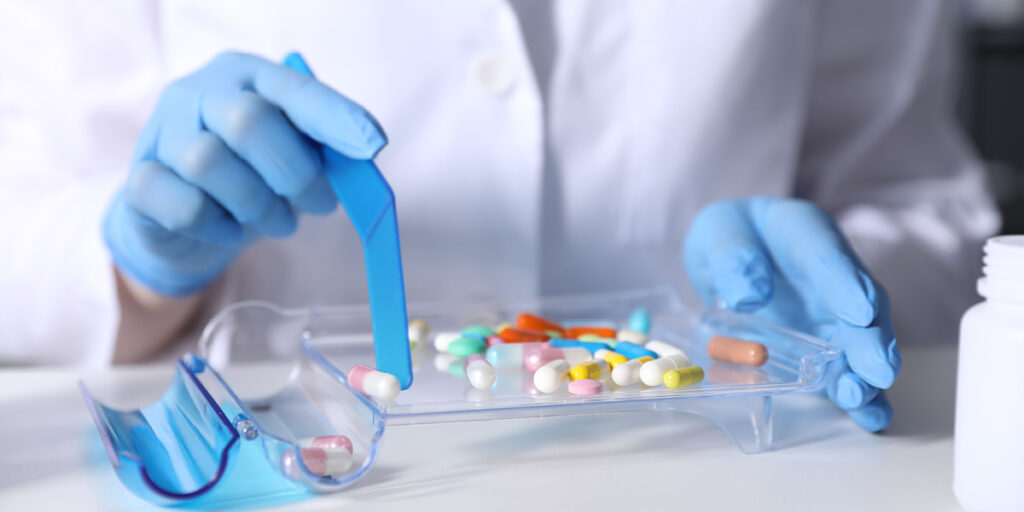
Every oral dosage form that reaches a patient has been through dissolution testing. The test simulates conditions the drug encounters in the body, exposing the finished product to a defined volume of media at controlled temperature and stirring speed, then measuring API release at defined time points.
Those results determine whether a batch is released for patient use. They underpin bioequivalence decisions in generic drug development and support regulatory submissions across USP, EP and JP pharmacopoeial frameworks. They are used throughout the product life cycle from R&D through to routine QC.
When dissolution data is compromised by sampling variability the consequences extend beyond a failed batch. They reach into data integrity queries, audit findings and regulatory submissions built on data that does not accurately reflect the product. The analytical lab’s responsibility is to produce dissolution data that reflects the drug, not the process of collecting the sample.
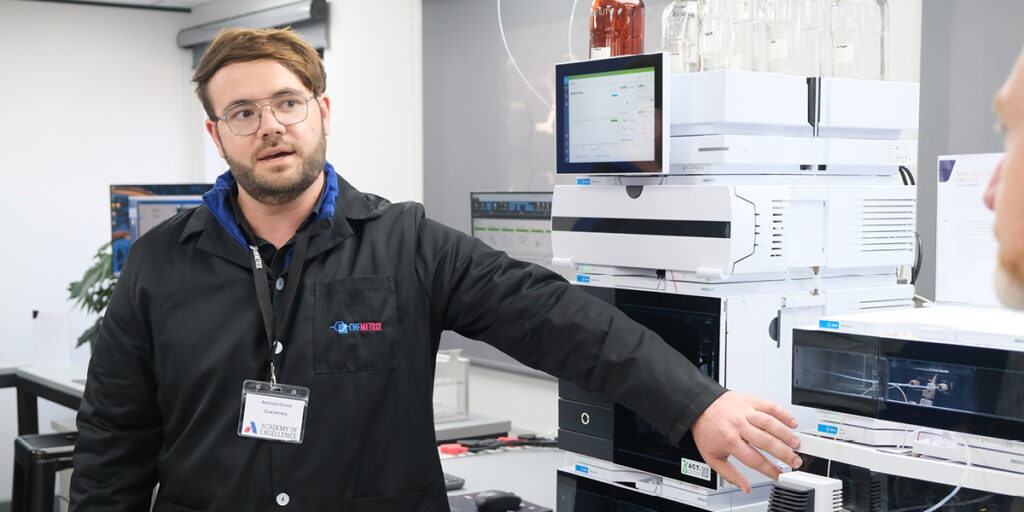
Remove the manual steps. Not because analysts are careless but because repetitive manual sampling across six vessels at five or more time points is an inherently variable process regardless of analyst experience.
The labs that achieve the most consistent dissolution data are not necessarily the ones with the most skilled analysts. They are the ones that have replaced analyst-dependent sampling variables with automated controls. When timing, withdrawal position and filtration are managed by the sampling station the analyst is freed to review data, prepare subsequent runs and apply scientific judgement where it actually matters.
This is what Chemetrix means by treating dissolution as an end-to-end workflow. The apparatus handles dissolution conditions. The sampling station handles the rest. Both need to be
designed together.
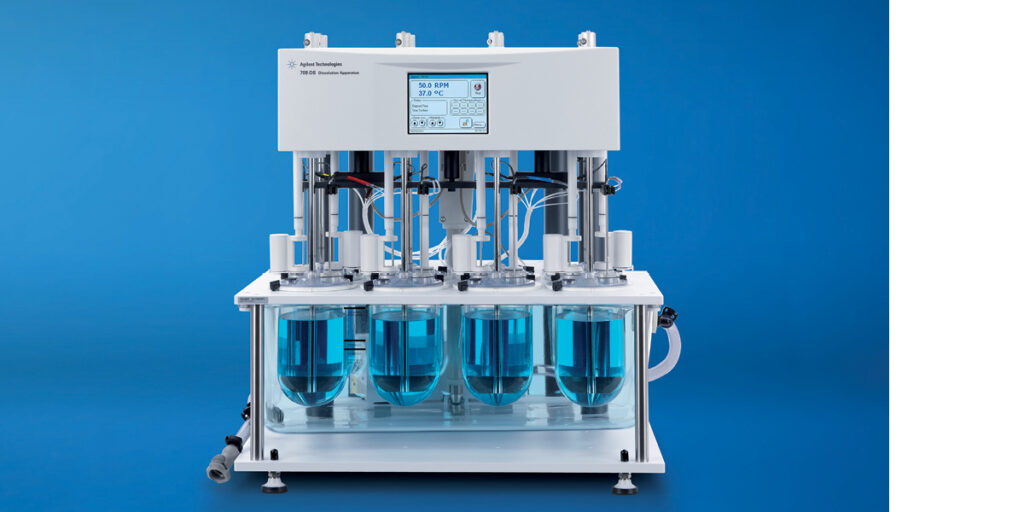
The Agilent 708-DS is the established platform for pharmaceutical dissolution testing across oral solid dosage forms, topicals, implants, transdermal patches and medical devices. It conforms to international pharmacopoeial specifications for Apparatus 1, 2, 5 and 6 and accommodates tablets, capsules, transdermal and semisolid formulations.
Key features that directly address variability at the apparatus level include TruAlign vessels for repeatable vessel orientation, motorised lift for integration with automated sampling systems, AutoTemp in-vessel temperature monitoring to confirm media conditions throughout the run and programmable sampling depth to eliminate vessel-to-vessel inconsistency in withdrawal position. The optional Dissolution Workstation Software provides electronic documentation of test parameters and audit trail capability for 21 CFR Part 11 compliant environments.
For labs requiring online UV analysis, the 708-DS pairs with the Agilent Cary 60 UV-Vis Spectrophotometer in multicell and fiber optic configurations enabling real-time dissolution profile monitoring without manual sample withdrawal at each time point.
Speak to a Chemetrix specialist about configuring the 708-DS for your specific dosage form and regulatory requirements.
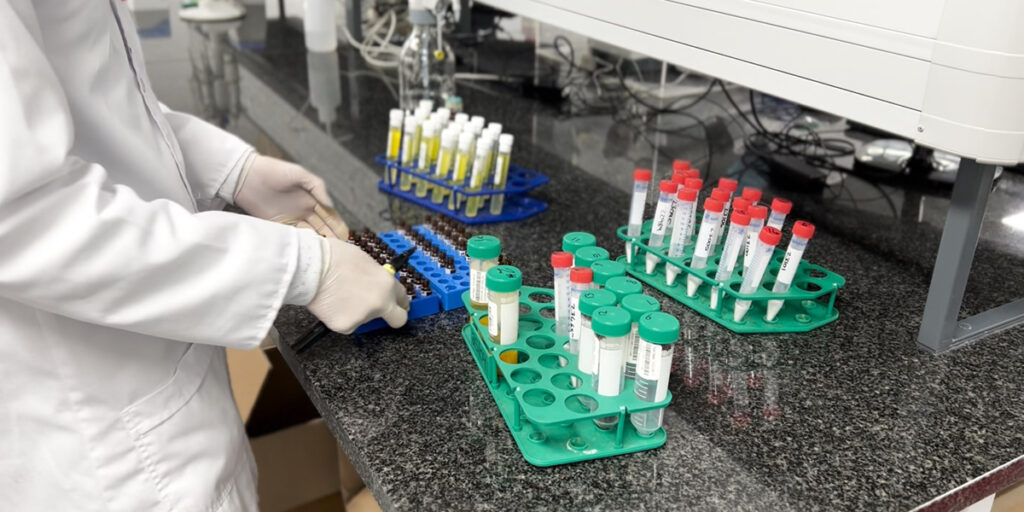
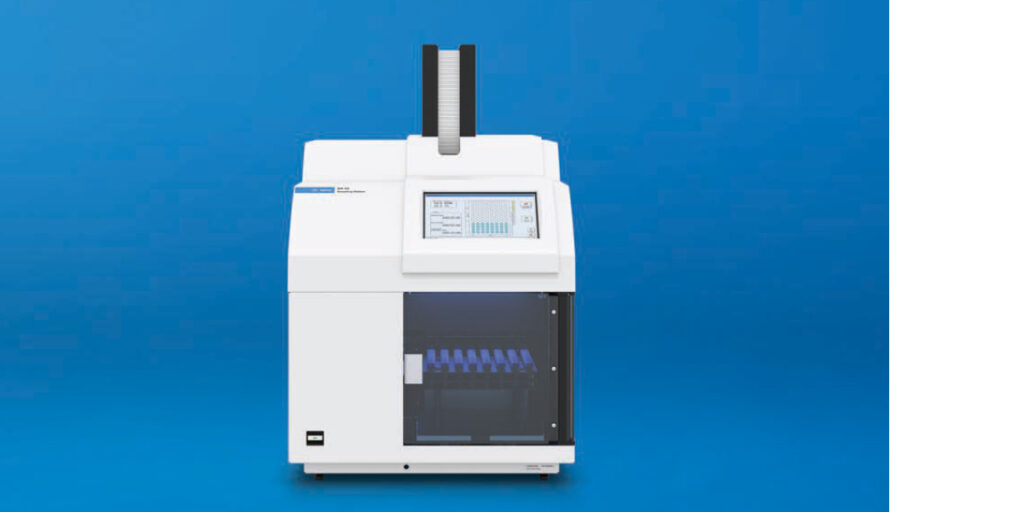
The Agilent 850-DS Dissolution Sampling Station automates what the apparatus cannot control. It manages withdrawal timing, sampling position, filtration and sample collection into test tubes, HPLC vials or 96-well plates depending on the downstream analysis method.
For labs running HPLC analysis, samples collected by the 850-DS into Agilent HPLC trays can be placed directly into the HPLC autosampler without manual vial transfer. A validated end-to-end workflow demonstrated with multidrug capsules containing four APIs at different concentration ranges showed that the full sequence from dissolution sampling through LIMS integration to HPLC measurement and result reporting can be completed with minimal manual intervention. Barcoded vials scanned into the LIMS were automatically linked to vessel and time point data, passed to Agilent Sample Scheduler software and submitted to the LC instrument without the analyst managing the sequence manually.
The 850-DS includes an integrated syringe pump, optional filtration module for 0.2 or 0.45 µm filtration, variable pump speeds for different media types including surfactants, automated cleaning cycle and user access level controls to prevent unauthorised method changes.
Speak to a Chemetrix specialist about configuring the 850-DS for your sampling volume, filtration requirements and downstream analytical method.
📥 Explore the full Agilent dissolution testing portfolio
There is a mindset Chemetrix consultants encounter regularly: that some variability between analysts or time points is an acceptable part of dissolution testing. That the apparatus is doing its job and the rest is just the nature of manual work.
It is not acceptable. Not when the data produced determines whether a product reaches a patient. The analysts running dissolution tests day after day under time pressure and throughput demands deserve a workflow that sets them up to produce reliable data consistently, not a process that makes accuracy dependent on replicating the previous analyst’s technique.
The labs that consistently produce defensible dissolution data treat sampling as a controlled variable from method design stage. They invest in the workflow that connects the apparatus to the result. Chemetrix works with pharmaceutical QC labs to design and supply that complete workflow, from instrument selection and qualification through to sampling automation and data management. The goal is dissolution data you can defend, not variability you have learned to explain.
Most pharmaceutical labs assume that once the dissolution apparatus is correctly set up the test is essentially controlled. In practice sampling is where the majority of variability enters the workflow. Timing errors, inconsistent withdrawal depth and manual filtration steps all introduce analyst-to-analyst variation that the apparatus itself cannot prevent. The Agilent 708-DS Dissolution Apparatus combined with the 850-DS Dissolution Sampling Station automates these critical steps to produce more consistent reproducible dissolution data with significantly less manual intervention.div

Chemetrix Export (Pty) Limited
400 - 16th Road
Block H Central Park
Midrand 1685


