

Out-of-spec batches rarely start with a hardware failure. They start at the bench, in the five minutes before a sample ever reaches an instrument. Manual QuEChERS vortexing and multi-step solid-phase extraction are foundational to cannabis and food pesticide testing, but they’re also where the most preventable variance enters a lab’s data.
This matters because the instrument gets the credit when results are accurate, and the blame when they’re not, even when the actual point of failure was a sample prep step that two different analysts performed two different ways. For labs under regulatory turnaround pressure, understanding exactly where that variance originates is the first step to removing it.
Chemetrix consultants see the same pattern across regional food safety and cannabis testing labs: the analytical instrument is rigorously validated, but the sample preparation feeding it is governed by habit, not protocol. Manual QuEChERS extraction depends on shaking intensity and duration that vary from person to person and shift to shift. Centrifugation speed and timing, layer separation technique, and even how long a sample sits before processing all introduce small inconsistencies that compound across a batch.
None of this shows up as an obvious error. It shows up as drifting recovery rates, inconsistent RSDs, and a lab manager trying to explain why the same method produced different results on different days, with no clear root cause to point to.
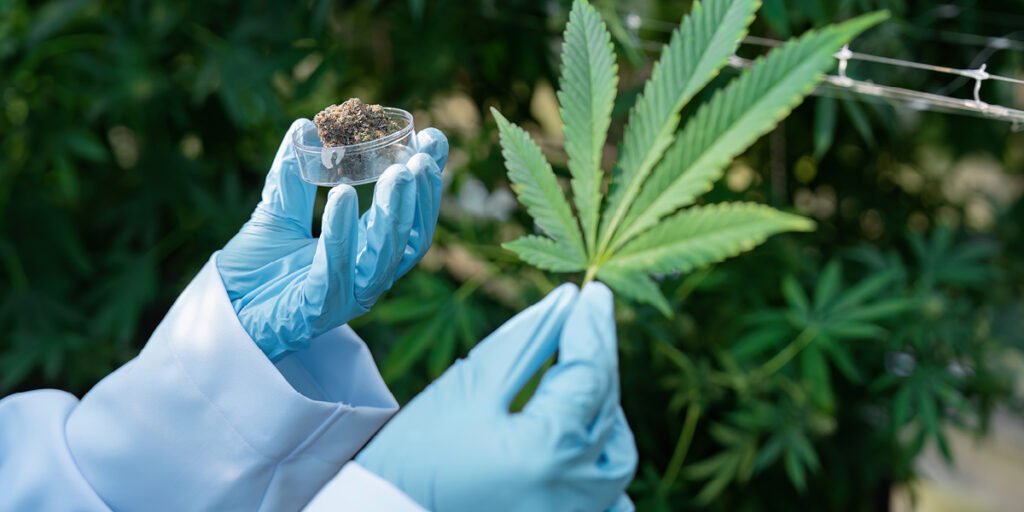
Cannabis and complex food matrices are chemically demanding to work with. Pigments like chlorophyll and carotenoids, along with waxes and other co-extractives, need to be removed during cleanup without stripping out the target pesticides alongside them. This is a genuinely difficult balance, and it’s why the physical variables in manual prep matter so much: pipetting accuracy affects how much sorbent or solvent reaches the sample, evaporation rate affects how concentrated or degraded an extract becomes, and centrifugal consistency determines whether phase separation is clean or compromised.
When these variables shift slightly between analysts, the chemistry shifts with them, sometimes enough to push a result above or below a regulatory threshold for reasons that have nothing to do with the actual sample.
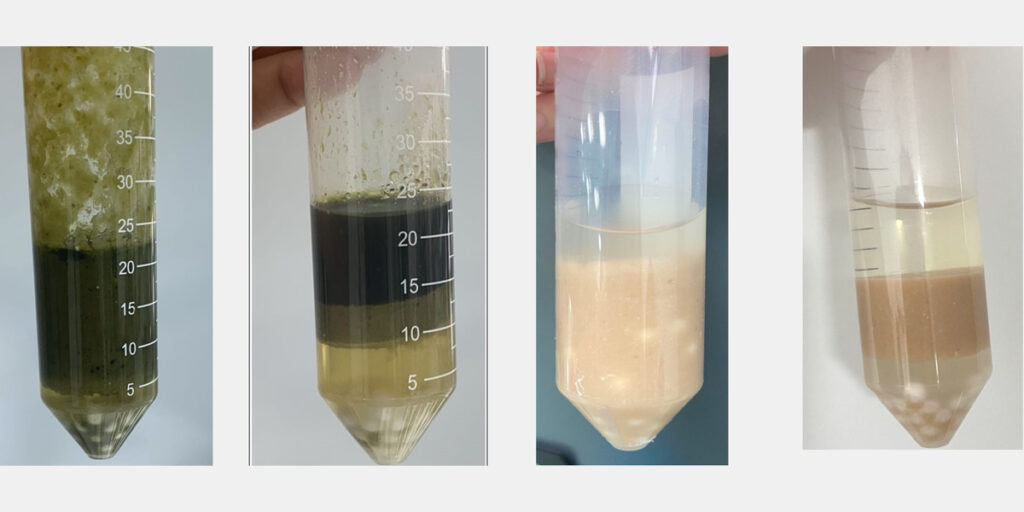
The efficiency gain from automating sample prep isn’t just about saving hands-on time, though that matters too. It’s about removing the variable entirely so that every sample, regardless of which analyst loaded it or which day it ran, goes through an identical physical and chemical process. Chemetrix’s work designing complete sample prep solutions across regional labs consistently shows that standardisation, not faster individual steps, is what actually closes the gap between a method that works in validation and one that holds up in routine high-throughput use.
This is also where sourcing matters. A lab juggling QuEChERS salts, SPE cartridges, and pesticide reference standards from multiple suppliers loses time before testing even starts, reconciling part numbers, managing inventory gaps, and troubleshooting inconsistent batches of consumables that were never designed to work together as a system.
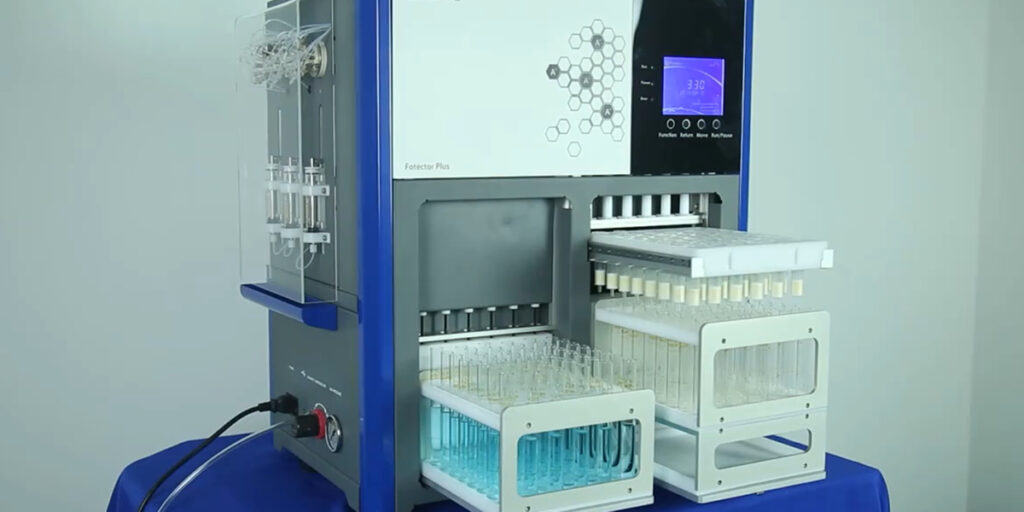
For labs running high-volume pesticide residue testing in food and cannabis matrices, the Raykol Automated DRQ QuEChERS system addresses analyst variance directly by automating the entire extraction sequence, solvent addition, salt addition, vortexing, centrifugation, and layer separation, in a single workstation. Only sample weighing remains manual, which means every other physical variable that previously depended on individual technique is now executed identically, run after run.
The system supports up to 60 samples per batch and 120 samples per day, with fully programmable workflows that can be adjusted for pesticides, veterinary drugs, or herbal matrices depending on the lab’s testing scope. For labs evaluating this transition, Chemetrix offers complete, pre-verified consumable kits covering QuEChERS extraction salts, SPE cleanup products, and certified pesticide reference standards, all matched to the DRQ workflow on a single ordering guide, removing the multi-vendor sourcing overhead entirely.
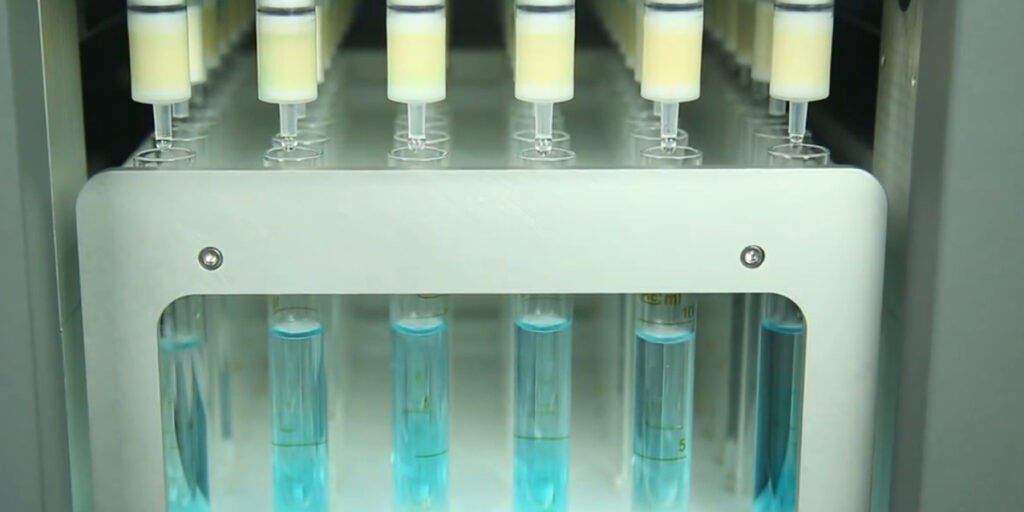
Solid-phase extraction cleanup is typically a multi-step manual process, loading cartridges, controlling flow rate, evaporating eluent, and reconstituting the sample, each step introducing its own opportunity for inconsistency. An integrated SPE and evaporation system performs purification, concentration, solvent exchange, and reconstitution within a single automated platform, removing the manual handoffs between steps that are most prone to analyst-to-analyst drift.
This kind of integration is particularly valuable for labs handling viscous or matrix-heavy samples, where manual evaporation timing is one of the hardest variables to keep consistent. Chemetrix application specialists work directly with regional labs to map current SPE workflows against automated configurations, and can also walk teams through a related webinar on cannabis and food matrix cleanup strategy for labs evaluating the transition.
No. There’s a quiet assumption in a lot of labs that some degree of analyst-to-analyst variance is simply the price of running a busy testing operation. It isn’t. It’s a solvable workflow design problem, not an inevitable feature of working with people instead of robots.
Chemetrix’s role isn’t to suggest that automation replaces skilled analysts, it’s to free those analysts from manually executing repetitive physical steps that machines perform more consistently, so their expertise goes toward method development, troubleshooting and the judgment calls that actually require a trained scientist. That’s the standard Chemetrix holds its sample prep solutions to: protecting the lab’s long-term data integrity, not just its short-term throughput numbers.
Out-of-spec batches and inconsistent recovery rates are rarely an instrument problem. More often, they trace back to manual sample preparation steps that vary between analysts in ways that are easy to overlook and difficult to diagnose after the fact. Automating QuEChERS extraction and SPE cleanup removes that variance at the source, while complete consumable kits eliminate the sourcing friction that slows labs down before testing even begins.
For Lab Managers: Save this guide and review where your current sample prep workflow relies on individual analyst technique rather than a standardised protocol.
For Evaluating Specialists: Request application guidance on matching the Raykol DRQ or integrated SPE-evaporation system to your specific matrix and throughput requirements.
For Compliance Custodians: Talk to a Chemetrix specialist about documenting standardised sample prep protocols as part of your audit-ready quality controls.
Manual QuEChERS extraction and multi-step SPE cleanup introduce measurable analyst-to-analyst variance, in shaking intensity, centrifugal consistency, and evaporation timing, that drives inconsistent pesticide recovery and out-of-spec batches. Automated platforms like the Raykol DRQ QuEChERS system and integrated SPE-evaporation workstations remove that variance entirely, while complete, pre-verified consumable kits eliminate the sourcing overhead that slows labs down before testing even begins.

Chemetrix Export (Pty) Limited
400 - 16th Road
Block H Central Park
Midrand 1685


